Peace, not posturing
Pakistan has opened direct US-Iran contact and helped avert wider war, but contradictory signals and public brinkmanship threaten the next round. Islamabad must keep engagement steady and lower tensions.

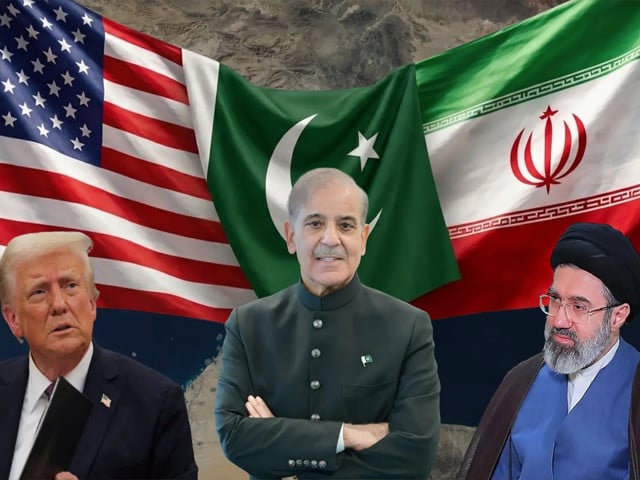
Pakistan is doing something few states can do at this moment. It is speaking to Washington, maintaining working credibility in Tehran, and retaining enough trust in Beijing to matter in a crisis that has already damaged diplomacy, trade and regional stability. Islamabad’s role in bringing the United States and Iran into direct contact has been real and significant. The first round of talks in Islamabad on April 11 and 12 did not produce an agreement, but they did establish a channel at a moment when the alternative was a wider war.
That is why the most dangerous obstacle now is not a lack of mediation. It is the return of public brinkmanship. The latest signals have been contradictory and corrosive. Iran says it has not decided whether to attend the next round. President Donald Trump said an American delegation was heading to Islamabad, while a Reuters source said Vice President JD Vance had not yet left the United States. At the same time, both sides have continued to trade accusations over ceasefire violations, naval actions and the blockade on Iranian ports. Diplomacy cannot move forward if every opening is followed by a threat, a denial or a public test of resolve.
This is where Pakistan’s diplomacy matters most. Its value lies not only in hosting talks, but in reducing mistrust long enough for talks to become serious. Pakistan has lines into all the capitals that matter. It has a security relationship with the United States, a strategic partnership with China and a border, history and sustained channel with Iran. Few countries can combine those relationships without appearing captive to one side. That gives Islamabad leverage, but it also imposes discipline. The task now is to keep the process alive, lower the temperature and push all parties back toward a table that none of them can afford to abandon.
The strategic logic is plain. War has exhausted everyone. Iran is under pressure. The United States is managing escalation without a clear political end state. The region is absorbing the economic shock, and the world is already feeling the consequences through energy insecurity and shipping risk around the Strait of Hormuz. There is no serious constituency left that benefits from an indefinite crisis, except those who confuse escalation with strength.
Pakistan should therefore resist the temptation to treat mediation as a one-off event. It should keep using its ties with Washington, Tehran and Beijing to widen diplomatic space, not merely preserve appearances. That means steady engagement, quiet persuasion and refusal to let rhetoric dictate policy. The war has run long enough. The next phase must not be about posturing for domestic audiences or testing each other’s pain thresholds. It must be about ending a conflict that has already taken too much and proved too little.

The Editorial Department of Pakistan Today can be contacted at: [email protected].
View all articles →Comments
No comments yet. Be the first to join the discussion!