June 21, 2026
Iran orders Strait of Hormuz closed again after Israel strikes Lebanon
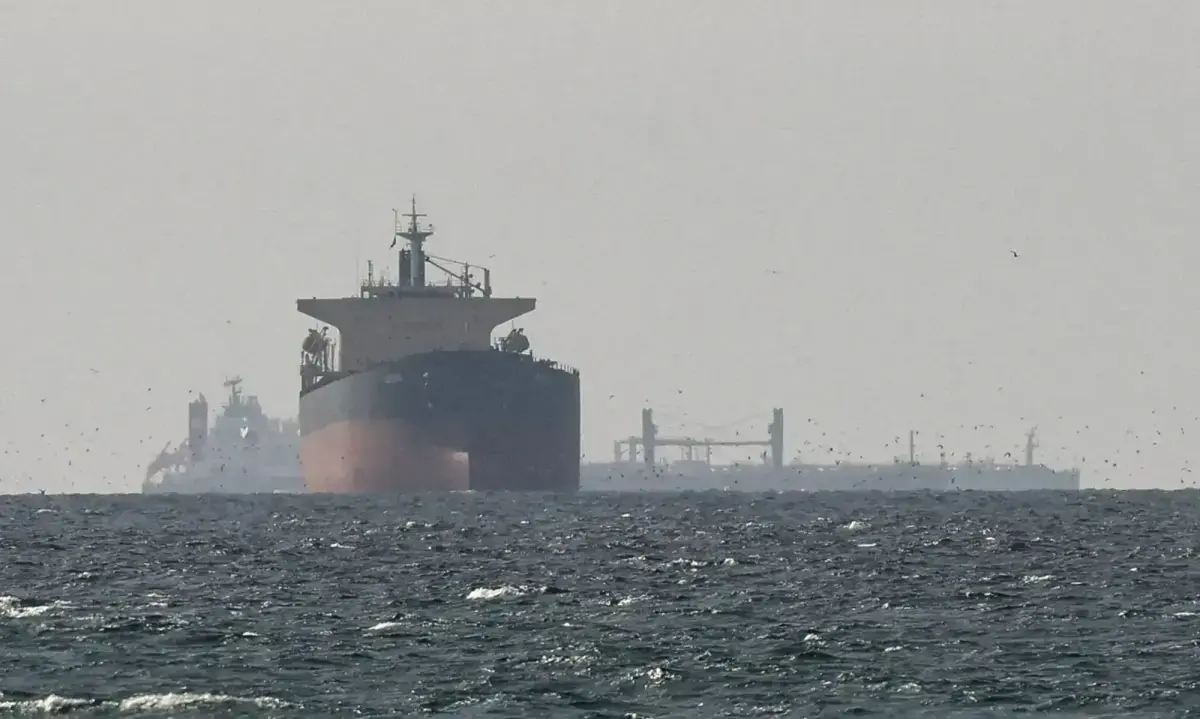
Iran said it was closing the Strait of Hormuz again, citing Israeli actions in Lebanon and an alleged US breach of commitments. The move came as US and Iranian delegations headed to Switzerland for follow-up talks and fighting continued in southern Lebanon.

June 21, 2026
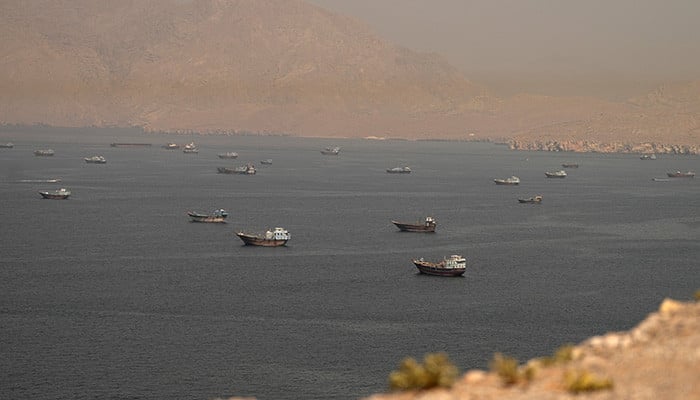
TEHRAN: Iran said on Saturday it was again shutting the Strait of Hormuz after Israeli attacks in Lebanon, a move that shook a fragile US-Iran understanding as delegations headed to Switzerland for follow-up negotiations aimed at preserving efforts to end the wider Middle East conflict.
According to Iran's central military command, the step was taken over what it described as a US breach of commitments and Israel's continued violations of the ceasefire in southern Lebanon. "the Strait of Hormuz will be closed to vessel traffic."
The naval arm of the Revolutionary Guards also warned ships to stay away from the waterway, saying "their security will be jeopardised". The strait, a major route for oil and gas shipments, had been blocked by Iran for much of the war, disrupting global energy markets. Tehran had agreed to reopen it under a preliminary accord signed this week by President Donald Trump and Iranian President Masoud Pezeshkian, and maritime traffic had started to recover.
After Iran's announcement, US Central Command said safe passage through the international waterway had remained intact and that US forces were present and vigilant. Trump later said Washington could impose its own tolls on Hormuz if the negotiations failed. In a post on Truth Social, he wrote there would be no tolls "unless they are imposed by and for the United States of America".
Swiss talks
Iranian state media reported that a delegation left for Switzerland on Saturday afternoon. State broadcaster said the group included parliamentary speaker Mohammad Bagher Ghalibaf and Foreign Minister Abbas Araghchi.
Foreign ministry spokesman Esmaeil Baqaei said the Iranian side would press for the implementation of the other party's commitments under the deal. He said, according to Irna, "demand implementation of the other party's commitments" and added: "Otherwise, the entire understanding will be in trouble"
US Vice President JD Vance also left Washington for Switzerland on Saturday. Before boarding, he told reporters, "I can only be there for a day or two. I think we're going to hopefully make progress on the nuclear issue, make progress on the Lebanon ceasefire issue. Those are the two big things that I think we're to be focused on. I'm sure the Iranians are going to have issues they'd like to discuss as well."
Earlier in an interview with Fox News, Vance said US negotiators Jared Kushner and Steve Witkoff were already in Switzerland handling "some of the technical elements" and had reported that "things are going well."
Pakistan said technical-level talks were scheduled for Sunday in Burgenstock, Switzerland, with Pakistani and Qatari mediators joining US and Iranian representatives. The discussions are intended to begin a two-month negotiating period on matters not settled in the initial accord, particularly Iran's nuclear programme. Switzerland's foreign ministry confirmed that unnamed foreign envoys there were continuing efforts to keep dialogue going, but gave no further details.
Pakistan's interior minister was in Iran on Saturday for meetings with officials.
Ceasefire violations alleged in Lebanon
Fighting in southern Lebanon continued on Saturday, with Israel and Hezbollah each blaming the other for breaching the ceasefire announced by Washington a day earlier, which was a condition of the US-Iran arrangement.
The Israeli military said one soldier was killed in combat, bringing to five the number of such fatalities since the US-Iran deal was reached. An Israeli army official later said political leaders had instructed the military to stop firing, adding that troops were "not conducting proactive strikes" and were acting defensively inside a security zone.
Earlier, an Israeli military official said new attacks had begun after Hezbollah "launched more than 50 projectiles at Israeli forces in southern Lebanon" overnight.
Hezbollah, for its part, accused Israel of carrying out "under the cover of the ceasefire..an infiltration attempt towards the Ali Taher hills", which overlook Nabatieh, and said its fighters had responded "with appropriate weapons". Hezbollah lawmaker Hassan Fadlallah said the group retained "the full right to confront this enemy when it attacks us".
Lebanese state media reported Israeli air strikes on about 20 locations, while the country's civil defence agency said 16 people were killed in the Nabatieh area. Lebanon's health ministry said a further seven people were killed and 13 wounded in a strike near Sidon, and put the overall death toll from the fighting at more than 4,000.
Israel's ambassador to the United States, Yechiel Leiter, said Hezbollah had violated the ceasefire first and that Israel was "defending itself against terrorist attacks". Hezbollah, however, said Israel bore "full responsibility".
Hezbollah entered the broader regional conflict in early March by firing rockets at Israel after Iran's supreme leader was killed in US-Israeli strikes. An earlier ceasefire intended to take effect in Lebanon in April was never observed, with both sides repeatedly justifying attacks by citing alleged violations by the other.
0 Comments
No comments yet. Be the first to join the discussion!