June 20, 2026
Naqvi holds key talks in Tehran as Pakistan intensifies efforts to advance US-Iran peace process
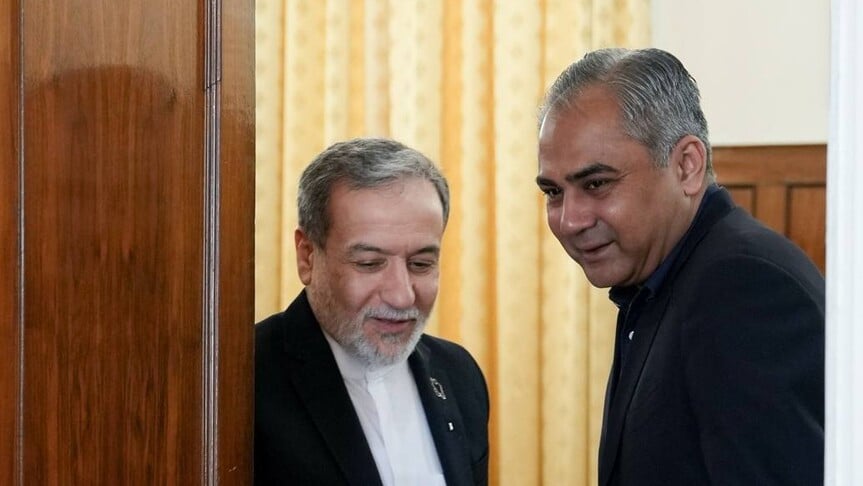
Mohsin Naqvi met Iran’s foreign minister in Tehran as Pakistan intensified efforts to implement the US-Iran peace framework and advance the next negotiation phase after the Switzerland postponement.
June 20, 2026

-- Interior Minister meets Araghchi amid continued diplomatic engagement following Islamabad MoU
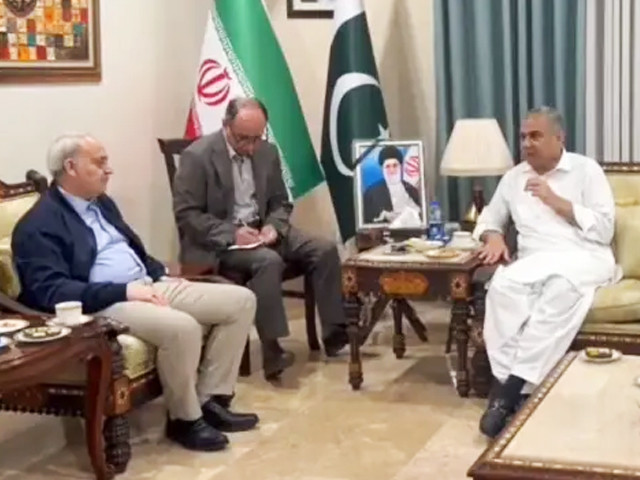
TEHRAN: Pakistan's Interior Minister Mohsin Naqvi held important talks with Iranian Foreign Minister Abbas Araghchi in Tehran on Saturday as Islamabad continued its diplomatic efforts to facilitate the implementation of the landmark US-Iran peace agreement brokered with Pakistan's mediation.
Naqvi arrived in Iran earlier in the day, landing in Mashhad before travelling to Tehran for discussions with the Iranian foreign minister, according to Iranian media reports.
Prior to the visit, Iranian Foreign Ministry spokesperson Esmaeil Baqaei confirmed that the Pakistani interior minister was travelling to Iran as part of Islamabad's ongoing efforts concerning the US-Iran negotiation process.
The spokesperson also said Naqvi was expected to hold separate talks with Iranian Interior Minister Eskandar Momeni during his visit to discuss matters of mutual interest and regional cooperation.
Pakistan has emerged as a central mediator in efforts to reduce tensions between Washington and Tehran, culminating in a major diplomatic breakthrough earlier this month.
On June 15, US President Donald Trump announced that the United States and Iran had agreed to a peace framework, paving the way for the signing of the Islamabad Memorandum of Understanding (MoU).
The agreement was formally endorsed on June 18 when Prime Minister Shehbaz Sharif signed the document as mediator, while President Trump and Iranian President Masoud Pezeshkian signed on behalf of their respective countries.
The accord is widely regarded as one of the most significant diplomatic achievements in recent years, ending more than 100 days of conflict and creating a framework for long-term regional stability.
The next phase of negotiations was initially scheduled to begin at Switzerland's Bürgenstock resort, where technical-level talks were expected to launch a 60-day implementation process under the agreement.
However, the Swiss Foreign Ministry later announced that the meeting had been postponed, while reaffirming Switzerland's readiness to host future negotiations.
The announcement followed reports that US Vice President JD Vance had cancelled his planned visit to Switzerland.
The talks were expected to focus on implementing key provisions of the agreement and establishing mechanisms for sustained dialogue between Washington and Tehran.
Before the postponement, Iran's semi-official Tasnim News Agency reported that Iranian negotiators wanted to see concrete signs of US implementation of commitments made under the interim agreement before proceeding with further negotiations.
Following the delay, the Iranian Foreign Ministry indicated that there was no immediate urgency to convene the meeting.
A ministry spokesperson noted that since the Islamabad MoU had already been digitally signed on June 18, preparations for the next round of discussions could proceed without pressure and that a new meeting was expected to take place in the coming days.
Despite the postponement, Swiss authorities reiterated their commitment to supporting the peace process.
In a statement, the Swiss Foreign Ministry said it remained prepared to provide a "discreet and reliable setting" at Bürgenstock for future negotiations aimed at implementing the US-Iran agreement.
Swiss officials added that no details regarding participants or the substance of the talks would be disclosed, citing the confidential nature of the diplomatic process.
Diplomatic observers view Naqvi's visit to Tehran as another important step in Pakistan's evolving role as a regional peace facilitator, as efforts continue to transform the Islamabad MoU from a framework agreement into a durable and comprehensive settlement between the United States and Iran.
0 Comments
No comments yet. Be the first to join the discussion!