June 18, 2026
US-Iran Peace Accord takes effect as leaders sign 'Islamabad MoU': PM
Pakistan’s PM Shehbaz Sharif says the US-Iran “Islamabad MoU” has been electronically signed and takes effect at once, with Iran reopening the Strait of Hormuz and the US lifting its naval blockade in phase one.
June 18, 2026
ISLAMABAD: Prime Minister Shehbaz Sharif announced on Thursday that the “Islamabad Memorandum of Understanding” (MoU) between the United States and Iran had been electronically signed by the leadership of both countries, formally bringing into force a landmark agreement aimed at ending months of conflict and restoring regional stability.
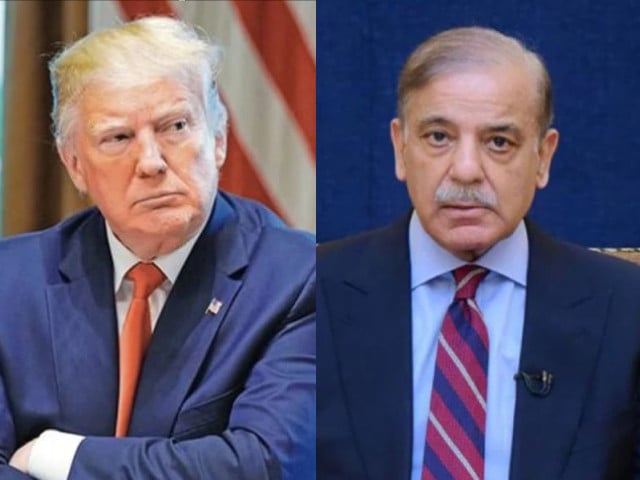
In a statement posted on social media platform X, the prime minister said the accord had been signed by the presidents of the United States and Iran and endorsed by Pakistan in its capacity as mediator.
“The memorandum has been signed by the honourable presidents of both countries and also endorsed by me as the mediator. The signing of this agreement at the highest level demonstrates the commitment of both sides to a diplomatic resolution of the conflict,” he stated.
According to the prime minister, the agreement came into effect immediately, with Iran reopening the Strait of Hormuz and the United States lifting its naval blockade as part of the first phase of implementation.
The breakthrough follows months of intensive diplomacy aimed at ending a conflict that erupted in February and threatened regional security, disrupted global energy supplies and raised fears of a wider war in the Middle East.
US President Donald Trump confirmed that he had signed the document during a dinner at the Palace of Versailles following the G7 summit in France. Video footage released by his aides showed the president signing the agreement before guests, including French President Emmanuel Macron.
“Just signed it,” Trump told reporters after the ceremony.
Iran also confirmed the development, with Foreign Ministry spokesman Esmaeil Baqaei saying the document had been finalised with the signatures of both presidents.
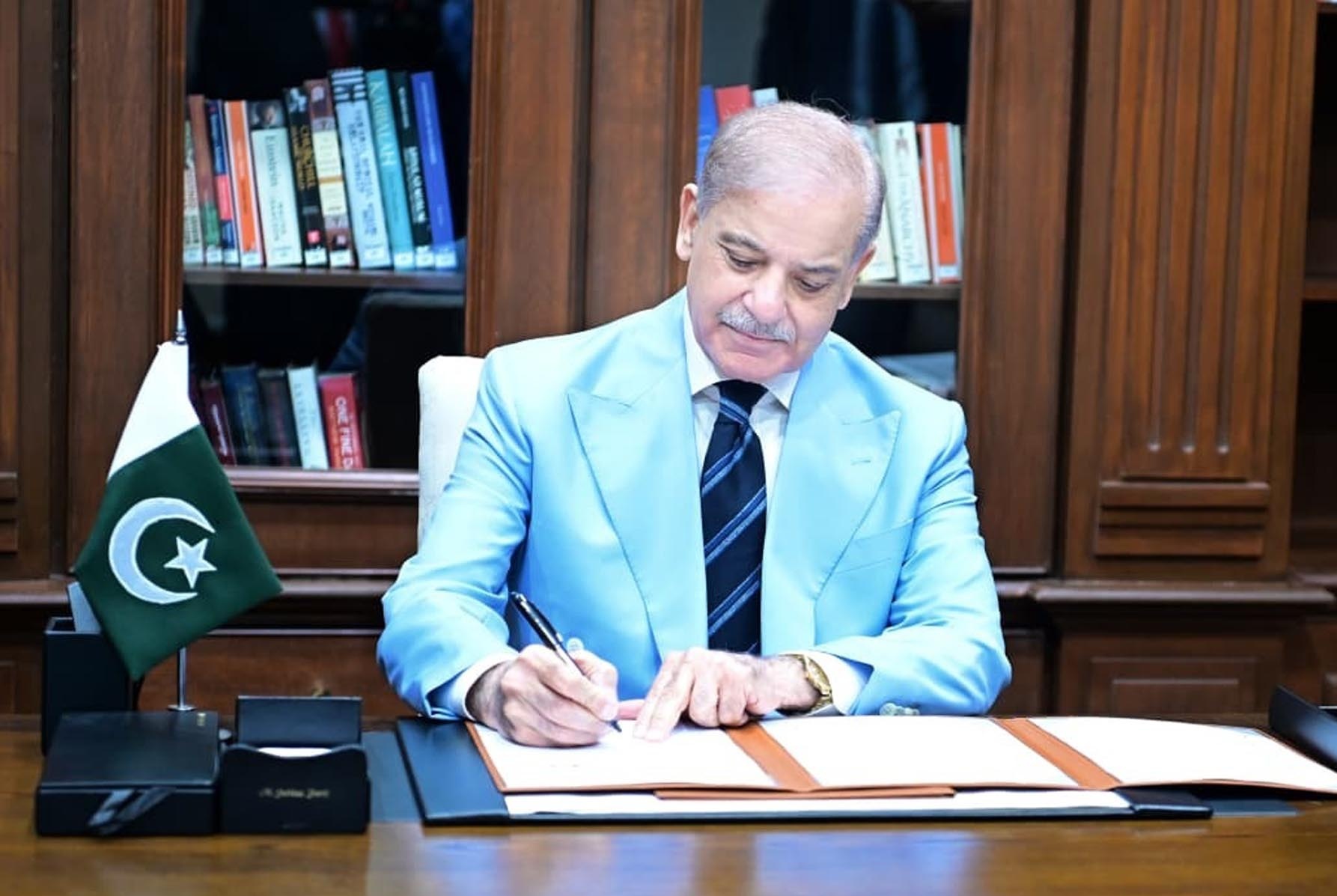
Later, the Prime Minister’s Office released footage showing Prime Minister Shehbaz Sharif signing the MoU as mediator, underscoring Pakistan’s role in facilitating dialogue between Washington and Tehran.
While initial plans had envisaged a formal signing ceremony in Switzerland on June 19, Iranian officials later clarified that no additional ceremony would be required since the agreement had already been signed digitally by both sides.
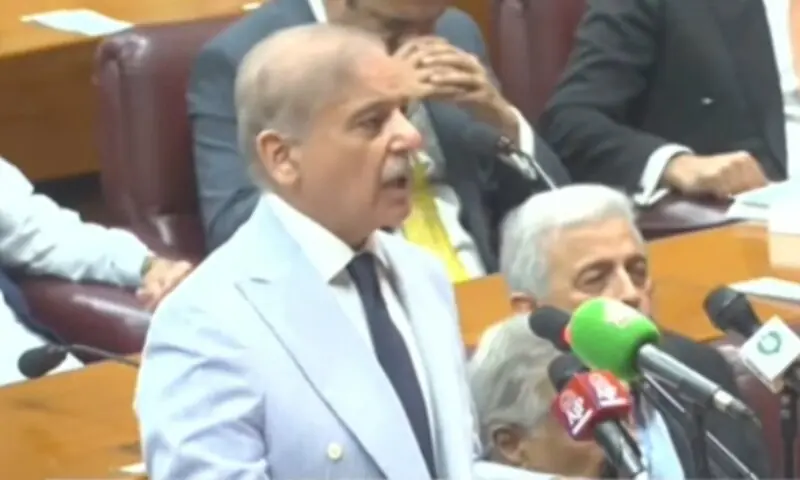
Congratulating the parties on the achievement, Prime Minister Shehbaz praised President Trump for prioritising diplomacy and peaceful conflict resolution.
“His steadfast commitment to diplomacy and preference for peaceful resolution have once again helped end a conflict that could have led to devastating consequences for the region and beyond,” he said.
The prime minister also acknowledged the contributions of US Vice President JD Vance and senior American negotiators Steve Witkoff and Jared Kushner, as well as Iran’s leadership, including Supreme Leader Ayatollah Mojtaba Khamenei, President Masoud Pezeshkian, parliamentary speaker Mohammad Bagher Ghalibaf and Foreign Minister Abbas Araghchi.
He further paid tribute to regional partners Qatar, Saudi Arabia, Türkiye and Egypt for supporting peace efforts and highlighted the role of Chief of Defence Forces and Chief of Army Staff Field Marshal Syed Asim Munir, whose engagement, he said, was instrumental in facilitating the breakthrough.
“May this MoU serve as an enduring foundation for greater understanding, mutual respect and shared prosperity across the region,” the prime minister said.
President Asif Ali Zardari also welcomed the agreement, describing it as a historic development for both the region and the wider international community.
In a statement issued by the Presidency, he said the conflict had caused immense human suffering and significant disruption to global trade, energy supplies and economic stability.
“War brings nothing but destruction and misery. Peace is the only path to progress,” President Zardari said, expressing hope that regional nations would now focus on development, prosperity and the welfare of their people.
The president praised the diplomatic efforts of Prime Minister Shehbaz Sharif, Deputy Prime Minister Ishaq Dar, Field Marshal Asim Munir and Interior Minister Mohsin Naqvi, noting that Pakistan had consistently advocated dialogue, restraint and a peaceful resolution of disputes.
Under the framework of the agreement, Washington has committed to lifting oil sanctions that have weighed heavily on Iran’s economy. The accord also envisages negotiations on a final settlement of Iran’s nuclear programme and provides for the eventual establishment of a $300 billion reconstruction fund supported by regional partners.
The agreement further requires Iran to dilute its stockpile of enriched uranium under the supervision of the International Atomic Energy Agency (IAEA), paving the way for a broader and more comprehensive settlement in the months ahead.
The Islamabad MoU is widely being viewed as one of the most significant diplomatic achievements in recent years, offering renewed hope for lasting peace, economic recovery and enhanced regional cooperation.
0 Comments
No comments yet. Be the first to join the discussion!