June 15, 2026
Diplomatic breakthrough as Pakistan seals hard-won deal
Prime Minister Shehbaz Sharif says the United States and Iran have reached a peace deal after intensive talks, with formal signing set for Friday in Switzerland. The announcement came after an Israeli strike on Beirut briefly threatened the negotiations.

June 15, 2026
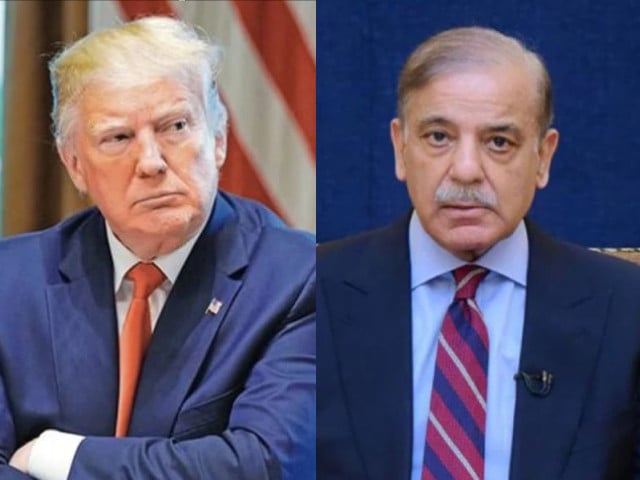
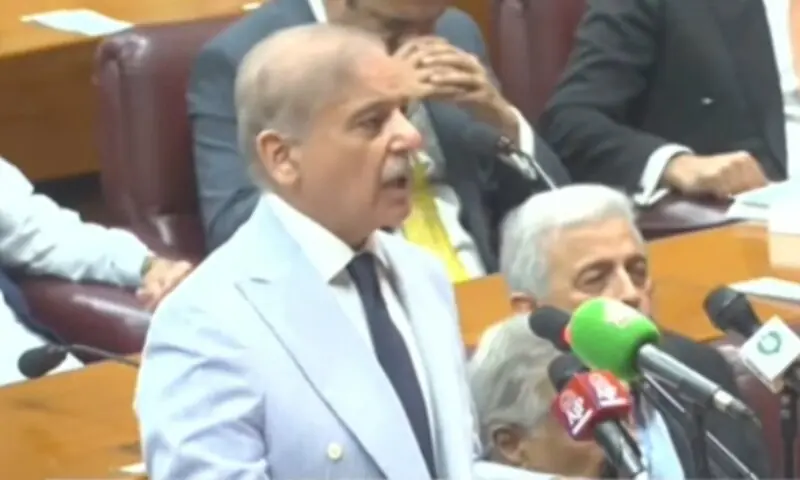
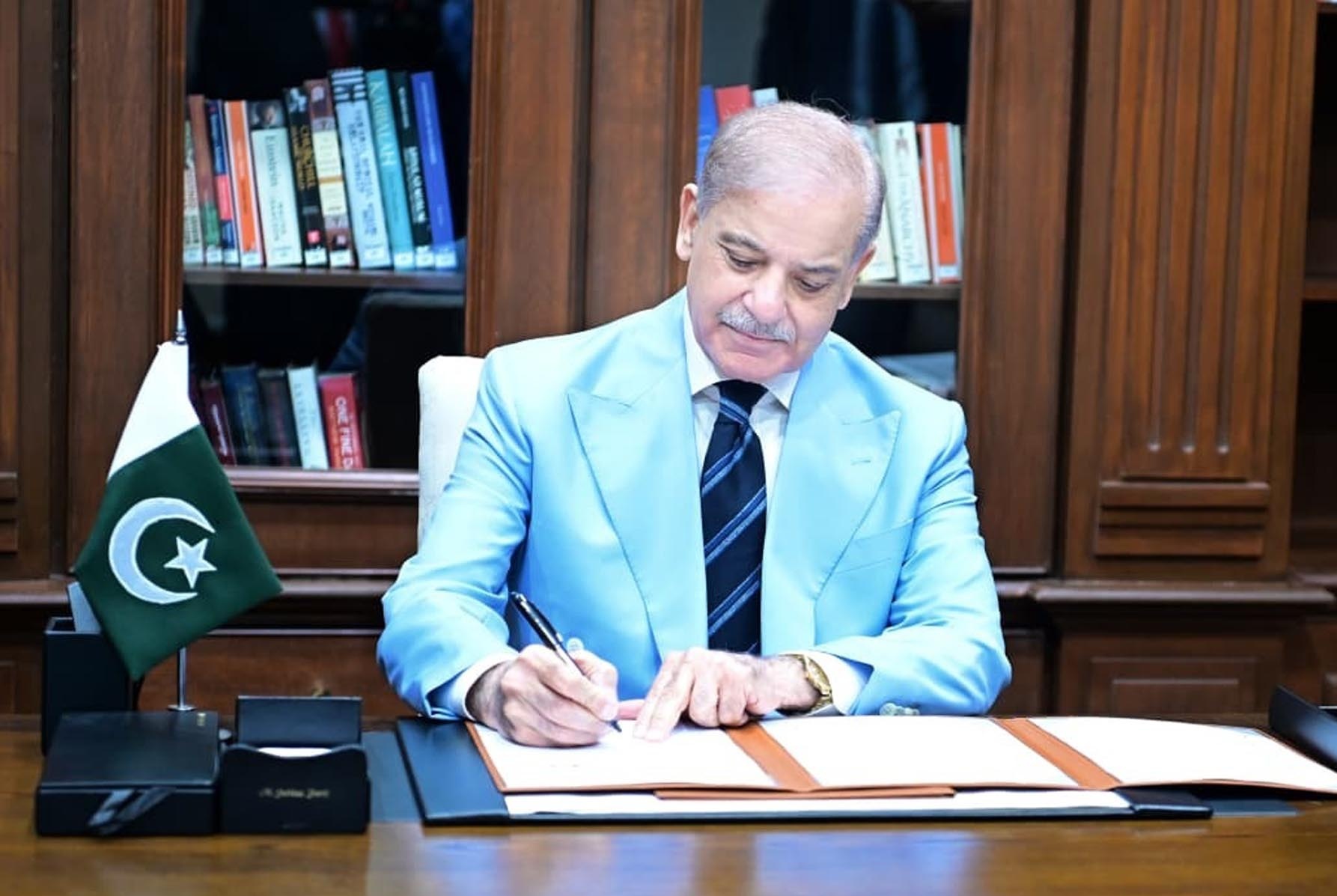
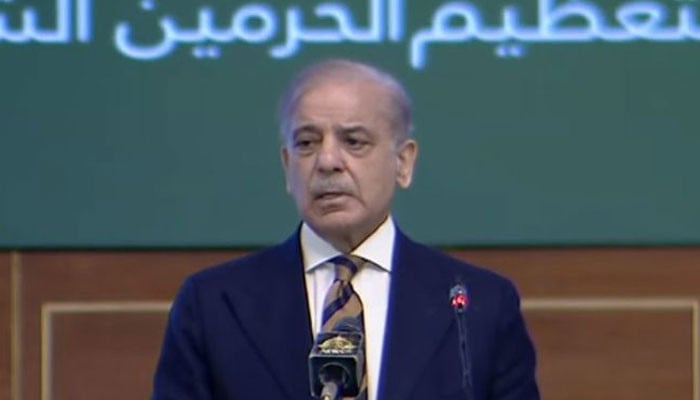
ISLAMABAD: Prime Minister Shehbaz Sharif announced early Monday that the United States and Iran had reached a peace agreement after what he described as intensive negotiations over the past two months, with Pakistan playing a mediation role.
In a post on X, the prime minister said both sides had agreed to an immediate and permanent end to military operations on all fronts, including Lebanon, and that the formal signing ceremony would take place in Switzerland on Friday, June 19. He also thanked the United States and Iran for pursuing a diplomatic outcome, and acknowledged the role of Qatar, Saudi Arabia and Turkiye in the mediation effort.
Shehbaz said mediators will now oversee a series of meetings during the week ahead of implementation. He said these discussions would prepare the ground for technical-level talks and the official signing ceremony.
US President Donald Trump also said the agreement with Iran had been completed. Writing on Truth Social, he said he was authorising the reopening of the Strait of Hormuz without tolls and the removal of the US naval blockade.
"The Deal with the Islamic Republic of Iran is now complete. Congratulations to all! I hereby fully authorize the toll free opening of the Strait of Hormuz, and, simultaneously herewith, authorize the immediate removal of the United States Naval blockade. Ships of the World, start your engines. Let the oil flow!" he wrote.
Beirut strike briefly threatened talks
Before the announcement of the deal, prospects for a breakthrough had come under strain on Sunday after an Israeli air strike in Beirut’s southern suburbs threatened to upset the negotiations aimed at ending months of conflict in the Middle East.
Trump publicly criticised the Israeli action, saying it had interrupted plans for an imminent agreement with Iran and exposed tensions between Washington and Tel Aviv as mediators sought to preserve the process. In remarks to Axios, Trump said the strike had delayed the expected signing by several hours.
"It was supposed to be now. Now it is scheduled for a few hours from now," he said as he voiced anger over the timing of the attack. "An hour before we are supposed to sign the deal,""Why did Bibi [Netanyahu] have to do a ** attack? I was so ** off. I let him know. He has no *** judgement. I let him know that."
The Israeli military said it had carried out what it called a precise strike on Hezbollah targets in Beirut’s Dahiyeh district, saying the targets were linked to projectile fire toward northern Israel. Lebanese authorities said at least three people were killed and several others were wounded when missiles hit the Ghobeiry area.
Trump later said on social media that the Beirut strike should not have happened and called on all sides to avoid further escalation.
Iran, mediators and wider issues
Iran reacted sharply to the Beirut strike, raising questions over whether the United States could ensure commitments made during the negotiations. Iranian Parliament Speaker Bagher Ghalibaf said the attack showed Washington either lacked the will or the capacity to enforce its promises. Military officials in Tehran said Israel’s actions would not go unanswered, while Iran’s top joint military command said it remained ready to strike at the enemy’s heart.
At the same time, Iranian President Masoud Pezeshkian indicated that diplomacy was still on track. He said the Supreme National Security Council had approved continuing negotiations and pursuing the path of dialogue, signalling that Tehran had not withdrawn from the talks despite internal pressure.
Qatari mediators arrived in Tehran on Sunday to help move discussions forward, while Pakistan and Egypt expressed hope that positive developments would support lasting peace and stability across the region.
The emerging framework could involve the release of billions of dollars in frozen Iranian assets and the easing of restrictions on Iranian oil exports in return for Tehran reopening the Strait of Hormuz and freezing parts of its nuclear activities pending further negotiations. Major differences still remained, especially over Iran’s stockpile of enriched uranium and the future structure of its nuclear programme. Washington maintains that Iran’s nuclear capabilities must ultimately be dismantled, while Tehran says its programme is peaceful.
The broader conflict involving Iran, Israel and Hezbollah has left thousands dead, disrupted global energy supplies and increased concerns of a wider regional war. The fragility of the diplomatic process was again underscored on Sunday as Israel also announced it had killed senior Hezbollah commander Ali Mussa Daqduq in a separate strike in southern Lebanon. The Israeli military accused him of orchestrating the 2007 kidnapping and killing of five American soldiers in Iraq and described his death as a major blow to Hezbollah’s leadership.
Trump said peace was still close at hand."We are very close to a deal that will bring peace to the region, including to Lebanon," he said.
UN Secretary-General Antonio Guterres also condemned the Israeli strike on Beirut, saying it had taken place despite the ceasefire and before the signing of a peace agreement between the United States and Iran.
"I strongly condemn today's Israeli strikes on Beirut. This conflict is having a devastating impact on the world's economy. I urge all parties to show maximum restraint at this crucial moment & I strongly hope for a successful outcome of the ongoing efforts by the US & Iran," Guterres said.
0 Comments
No comments yet. Be the first to join the discussion!