June 15, 2026
Pakistan will host US-Iran peace signing in Geneva, Shehbaz tells NA
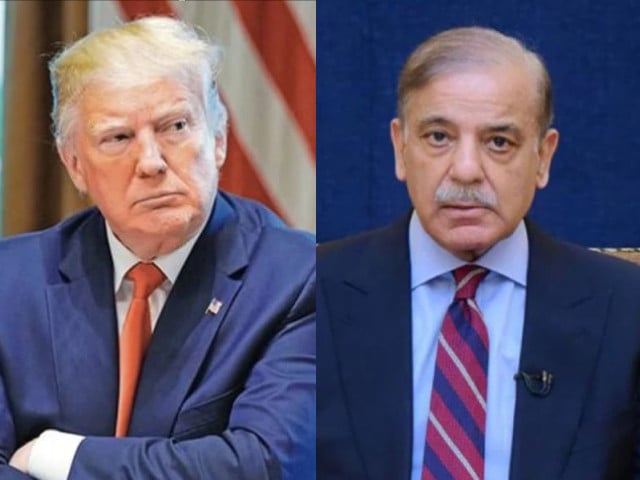
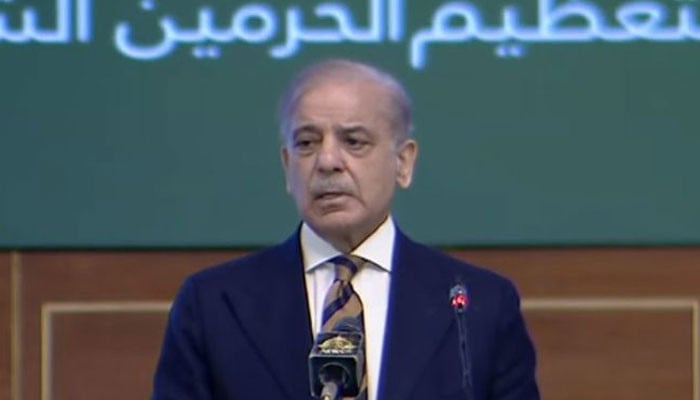
Prime Minister Shehbaz Sharif told the National Assembly that Pakistan will host the signing ceremony of the US-Iran peace agreement in Geneva on June 19. He described the accord as a diplomatic success for peace and dialogue.

June 15, 2026
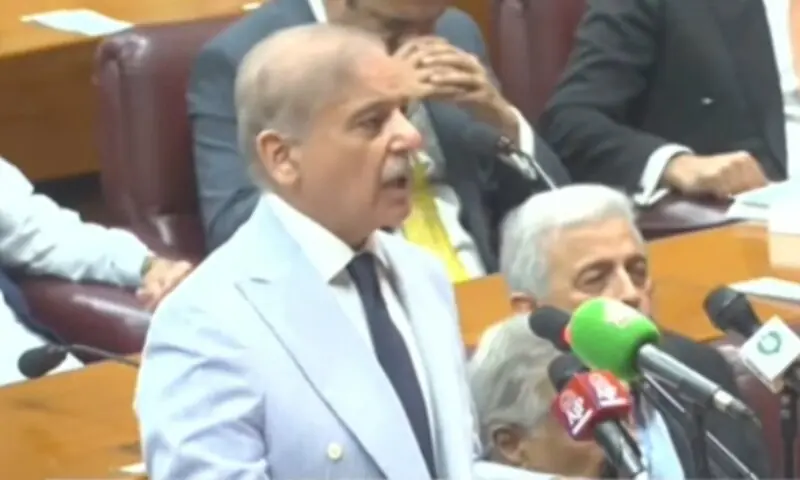
ISLAMABAD: Prime Minister Shehbaz Sharif told the National Assembly on Monday that Pakistan will host the formal signing ceremony of a peace agreement between the United States and Iran in Geneva on June 19, describing the development as a major diplomatic breakthrough after months of negotiations.
Addressing lawmakers, the prime minister said Washington and Tehran had agreed to an immediate and permanent end to military operations on all fronts, including Lebanon. He presented the accord as a wider victory for diplomacy rather than a narrow bilateral arrangement between two states.
The world has achieved a historic milestone for peace. Iran and the United States have announced the immediate and permanent termination of military operations on all fronts, including Lebanon,
"The formal ceremony for this historic agreement will be held on Friday, June 19, in Geneva, and Pakistan will host the event," he added.
In his remarks, the prime minister said the understanding marked a triumph for dialogue and peace over war and destruction. In a separate statement posted on X, he said the agreement had been reached after intensive talks and that mediators would hold meetings ahead of the formal signing to prepare for technical discussions and implementation.
Diplomatic efforts and mediation
According to the prime minister, the breakthrough came after weeks of diplomatic engagement involving Pakistan, Qatar, Saudi Arabia, Türkiye and other countries that sought to narrow differences between Washington and Tehran at a time of heightened fears of a broader regional conflict.
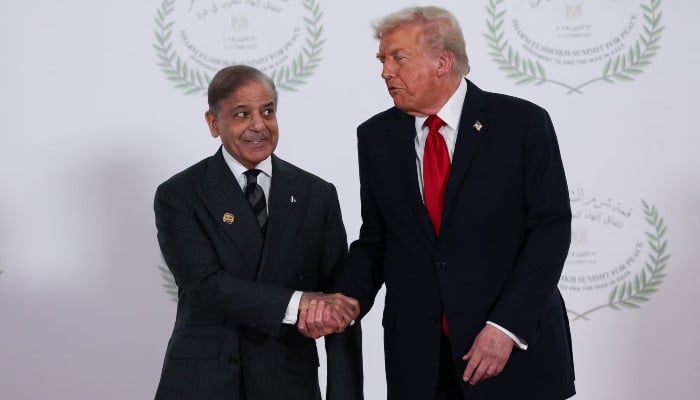
Shehbaz congratulated US President Donald Trump, Iranian Supreme Leader Mojtaba Khamenei, the Iranian president and others involved in the process for what he called patience and wisdom during difficult negotiations. He also acknowledged the role of the leaders of Qatar, Saudi Arabia and Türkiye in the mediation effort.
During his address, the prime minister said the negotiations had faced repeated setbacks and at several points appeared close to collapse. He particularly praised Field Marshal Asim Munir for helping sustain efforts to end the conflict.
"The Field Marshal devoted his days and nights to extinguishing the flames of war and establishing peace," shehbaz said.
"There were many occasions during the negotiations when it seemed the process would collapse, but he did not lose hope. As a result, the ceasefire was announced last night," he continued.
Economic impact and official response
The prime minister said the conflict had shaken the global economy and also affected Pakistan. He said the government would work to ensure that any improvement in global economic stability resulting from the agreement benefits people in Pakistan.
"The devastating effects of this war shook the entire world and the global economy. Pakistan's economy was also significantly affected and those effects continue to this day," he told lawmakers.
"I assure the people that the government will ensure that every Pakistani benefits from the global economic stability that emerges as a result of this peace agreement," he added.
Deputy Prime Minister and Foreign Minister Ishaq Dar also welcomed the agreement in a statement, calling it an important diplomatic breakthrough and saying it demonstrated the value of sustained engagement.
"Pakistan warmly welcomes the understanding reached between the United States and the Islamic Republic of Iran. This significant breakthrough reflects the power of sustained diplomatic engagement and the collective resolve of friendly nations to choose dialogue over confrontation," Dar added.
He said Pakistan had remained engaged with all relevant parties throughout the process and had consistently supported restraint, constructive engagement and dialogue as the only workable path to resolving disputes. Dar also said Pakistan appreciated the confidence shown by both Washington and Tehran and thanked Saudi Arabia, Qatar, Türkiye, Egypt, the United Nations and other international partners for their role in facilitating the process.
"Throughout this period, Pakistan remained actively engaged with all concerned parties and consistently advocated restraint and constructive engagement, maintaining that dialogue and diplomacy remain the only viable means for the resolution of all issues," he further said. "We are grateful for the support and sincere diplomatic efforts of our brotherly countries, including Saudi Arabia, Qatar, Türkiye, Egypt and others, as well as the United Nations and our international partners who remained closely engaged throughout this process and helped achieve this important milestone."
Details of the agreement have not yet been made public. According to the statements cited by the prime minister and foreign minister, the formal signing is expected to open the way for the next phase of negotiations on broader outstanding issues, with Pakistan expressing readiness to support future efforts linked to implementation.
0 Comments
No comments yet. Be the first to join the discussion!