Pakistan stands ‘ready, honoured’ to host talks to de-escalate Middle East tensions: PM
Prime Minister Shehbaz Sharif announces Pakistan's readiness to host US-Iran talks, aiming for a comprehensive settlement to the ongoing Middle East conflict. Islamabad emerges as a key diplomatic player in regional peace efforts.

Premier Shehbaz offers Islamabad as neutral venue for US-Iran talks, saying Pakistan fully backs efforts to end Middle East war
Back-channel diplomacy by Pakistan, Turkiye, and Egypt secures pause on US strikes
FT reports Islamabad emerging as central player to broker ceasefire, prevent further regional destabilisation
Indirect communications focus on Strait of Hormuz, broader settlement
FO urges media to await official announcements amid sensitive diplomacy
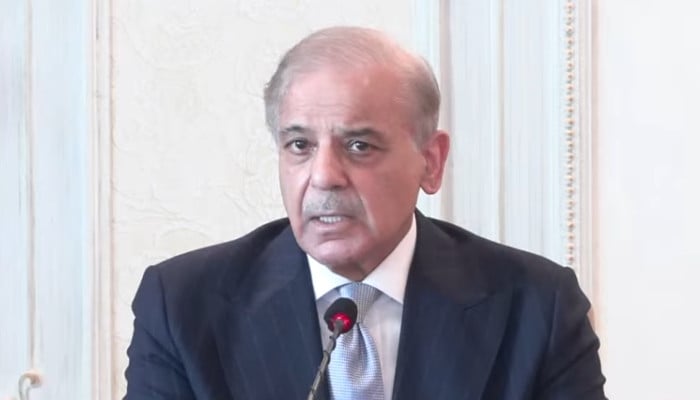
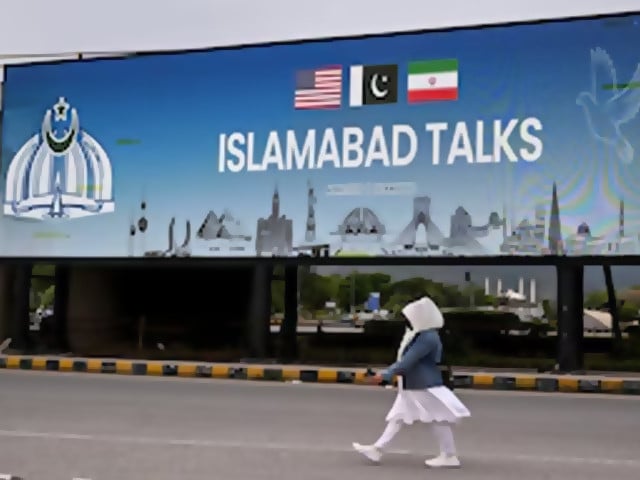
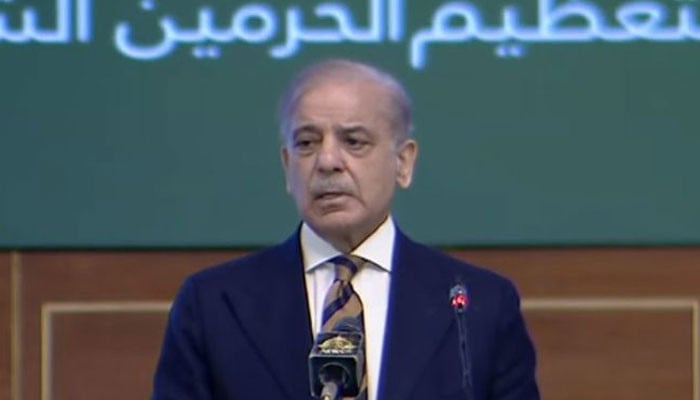
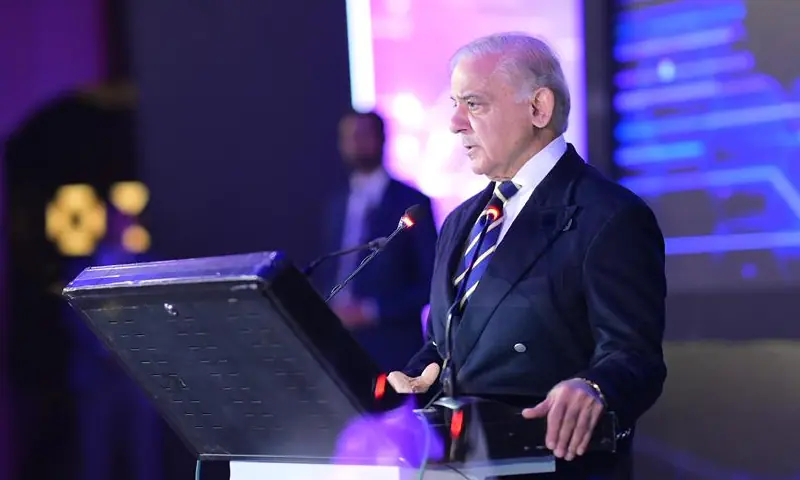
ISLAMABAD: Prime Minister Shehbaz Sharif on Tuesday said that, subject to concurrence by the US and Iran, Pakistan stands “ready and honoured” to host “meaningful and conclusive talks” for a “comprehensive settlement” of the ongoing conflict in the Middle East and Persian Gulf, state media reported.
“Pakistan welcomes and fully supports ongoing efforts to pursue dialogue to end the war in the Middle East, in the interest of peace and stability in the region and beyond,” the premier wrote in a post on the social media platform X.
Pakistan welcomes and fully supports ongoing efforts to pursue dialogue to end the WAR in Middle East, in the interest of peace and stability in region and beyond. Subject to concurrence by the US and Iran, Pakistan stands ready and honoured to be the host to facilitate…
— Shehbaz Sharif (@CMShehbaz) March 24, 2026
He added, “Subject to concurrence by the US and Iran, Pakistan stands ready and honoured to be the host to facilitate meaningful and conclusive talks for a comprehensive settlement of the ongoing conflict.”
Later, US President trump shared PM Shehbaz’s statement on his Truth Social platform.
PM Shehbaz’s statement comes amid Pakistan’s stepped-up diplomatic engagement, as reported by the Financial Times, which noted “Islamabad has emerged as a key diplomatic player” seeking to broker a ceasefire and prevent further regional destabilisation as the US-Israel-Iran conflict enters its fourth week. According to the report, Pakistan is positioning itself as “a potential venue for talks between the Trump administration and Tehran.”
FO urges media to refrain from speculation, await official announcements
Meanwhile, the Foreign Office (FO) urged the media to refrain from speculation and await official announcements regarding Pakistan as a possible venue for talks. FO spokesperson Tahir Andrabi said: “Pakistan, consistent with its longstanding policy, remains committed to the resolution of the ongoing conflict in the Middle East/Persian Gulf through diplomatic means and engagements. Diplomacy and negotiations often require that certain matters be advanced with discretion.”
Several international outlets, including Reuters and Axios, reported that Islamabad could serve as a venue for direct or indirect talks between US and Iranian representatives in the coming days.
The ongoing conflict, now in its fourth week, began with US and Israeli attacks on Iran on February 28, which also resulted in the assassination of then-supreme leader Ayatollah Ali Khamenei. On Monday, Pakistan, alongside Turkiye and Egypt, led a coordinated diplomatic push that helped secure a five-day pause on US strikes targeting Iranian energy and power infrastructure, officials said, describing the effort as going beyond routine crisis management.
US President Donald Trump publicly announced the pause, citing “very good and productive conversations” with Tehran that could pave the way for a “complete and total resolution” of hostilities. The pause, however, remains conditional and limited to Iranian energy assets, with fighting continuing on multiple fronts.
Reports from FT and Axios indicate senior officials from Pakistan, Turkiye, and Egypt separately engaged with US Special Envoy Steve Witkoff and Iranian Foreign Minister Abbas Araghchi, relaying positions between the two sides. These back-channel exchanges focused on de-escalation, reopening the Strait of Hormuz, and defining parameters for a broader settlement of the war.
Iranian Foreign Ministry Spokesman Esmail Baghaei confirmed that messages had been conveyed through several “friendly countries,” while emphasising Iran’s principled positions. Tehran denied any direct or indirect negotiations with the Trump administration, framing the US announcement as an attempt to influence markets, and stressed that any resolution must include guarantees against future US or Israeli attacks, reparations, and a comprehensive regional framework.
Despite Iranian denials, US officials maintained that the indirect communications helped create conditions for the temporary pause. Pakistani sources highlighted that quiet back-channel diplomacy by Pakistan, Turkiye, and Egypt demonstrates “how discreet communication can advance global peace.”
On Monday, PM Shehbaz also held a phone call with Iranian President Masoud Pezeshkian, expressing concern over the “dangerous ongoing hostilities.” The PM stressed the “urgent need for collective efforts for de-escalation” and a return to “dialogue and diplomacy” and underscored the “critical importance of unity” within the Muslim Ummah. The PMO added that Pakistan would continue to play a constructive role in facilitating peace in the region.
Pakistan’s role as a central diplomatic player is further highlighted by the FT, which reported that Islamabad is facilitating back-channel messages between Tehran and senior US figures, including Jared Kushner and Steve Witkoff. The goal is to establish Pakistan as a neutral ground where both sides can negotiate to resolve the ongoing Iran war and broader Middle East hostilities.
Pakistan’s urgency stems from its strategic geopolitical position. Sharing a nearly 1,000 km border with Iran, Islamabad faces risks from spillover, including energy shortages from the Strait of Hormuz closure and a potential massive refugee influx from Sistan-Baluchestan province, which remain high priorities for Pakistani security forces.
Comments
No comments yet. Be the first to join the discussion!