June 16, 2026
PRAC says budget leaves core fiscal risks unaddressed
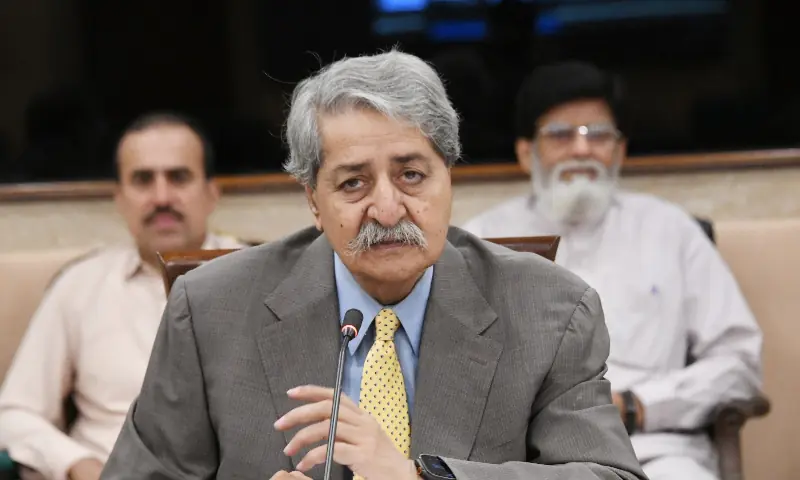
PRAC has criticised the federal budget for failing to address key fiscal vulnerabilities. Chairman Younus Dagha said high debt servicing, pension liabilities and lower real development spending would constrain growth-focused spending.

June 16, 2026

KARACHI: The Policy Research and Advisory Council (PRAC) has raised concerns over the federal budget, saying it does not tackle Pakistan’s underlying fiscal weaknesses and leaves little room for development and social sector spending.
PRAC chairman Younus Dagha said the scale of fixed obligations was a major concern. He said debt servicing allocations of Rs8,054 billion account for 68.5 per cent of net federal revenues, while unfunded pension liabilities have climbed to Rs1,169bn. According to him, these commitments sharply restrict the government’s fiscal space.
Dagha said lasting fiscal consolidation would require expenditure rationalisation, a broader tax base, pension reform and restructuring of loss-making state-owned enterprises. He said these areas had not been substantively addressed in the budget proposals.
The council also expressed concern over the Public Sector Development Programme, which has been set at Rs1,000bn. Dagha said that, once inflation is taken into account, the allocation amounts to a reduction in real development spending and could deepen strains in transport, logistics, urban services and climate resilience.
He said public investment should be protected and focused on projects with stronger effects on productivity, exports and employment.
PRAC also flagged the reduction in withholding tax on international card transactions from 5pc to 0.5pc. Dagha warned that the cut could add pressure on foreign exchange reserves by encouraging non-essential dollar outflows.
On retail taxation, he said the Fixed Tax Asaan Scheme could be vulnerable to misuse if it is introduced without phased point-of-sale integration and effective verification. He warned that larger businesses could use the scheme to avoid proper compliance, weakening its stated aim of improving documentation.
Dagha urged stronger policy support for industrial expansion, export competitiveness and productive investment. He said Pakistan’s economic policy framework needed to move beyond short-term fiscal balancing toward a more durable growth model built around exports, investment, innovation and institutional reform.
0 Comments
No comments yet. Be the first to join the discussion!