June 11, 2026
Aurangzeb says Gulf fallout could affect Pakistan for up to a year
Finance Minister Muhammad Aurangzeb told the Senate that economic fallout from Gulf tensions could affect Pakistan for up to a year. The session also featured opposition criticism over Gilgit-Baltistan elections and the situation in AJK.

June 11, 2026
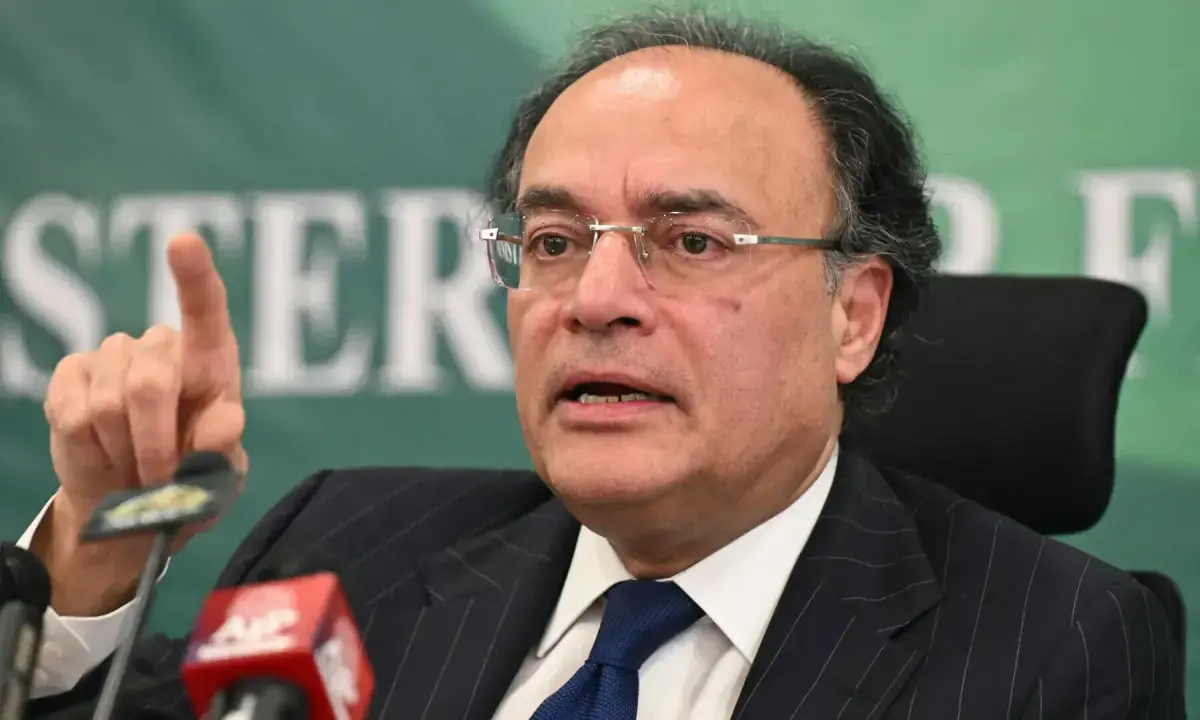
ISLAMABAD: Finance Minister Muhammad Aurangzeb told the Senate on Wednesday that Pakistan could continue to feel the economic effects of tensions in the Gulf for as long as a year, even if an immediate ceasefire is reached.
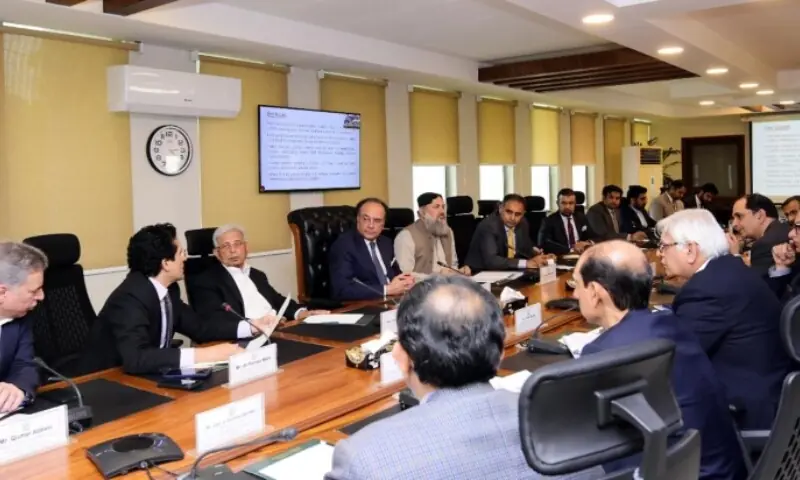
Speaking during a sitting chaired by Senate Chairman Syed Yousaf Raza Gilani, the minister said the government was trying to protect lower-income groups through targeted subsidies despite fiscal limitations. He said the petroleum levy was tied to commitments made to the International Monetary Fund and added that adjustments were being made to manage the burden.
Aurangzeb informed the upper house that more than Rs5.4 billion in subsidies had already been disbursed, benefiting about 800,000 motorcycle users through subsidised petrol for three months. He added that Rs4.6 billion had also been provided to farmers to help counter higher fuel expenses. He said the purpose was to stop transport fares from rising and to ease pressure on ordinary citizens.
He also cited an increase in tax collection, saying Federal Board of Revenue receipts had risen from Rs7.5 trillion to a projected Rs13.5 trillion by the close of the current fiscal year.
Opposition raises Gilgit-Baltistan and AJK concerns
The Senate session also saw sharp criticism from opposition members over the political situation in Gilgit-Baltistan and Azad Jammu and Kashmir. Leader of the Opposition in the Senate, Senator Allama Raja Nasir Abbas, rejected the outcome of the recent Gilgit-Baltistan elections and alleged widespread rigging and manipulation.
He said delays in the release of results and the selective announcement of outcomes had weakened confidence in the electoral process. Referring to the broader political consequences, he said the system could lose legitimacy if public mandates were taken away and warned that political alienation could produce lasting effects.
Abbas also criticised the handling of protests in Azad Kashmir and urged the government to pursue dialogue rather than force. He said coercive tactics against citizens could widen divisions and damage democratic institutions.
Responding to the opposition's criticism, Prime Minister’s Adviser on Political Affairs Senator Rana Sanaullah rejected the allegations of rigging and said the Gilgit-Baltistan elections were held in a peaceful and transparent manner.
National Assembly debate
The National Assembly also held a broad debate on Wednesday covering Pakistani prisoners abroad, the increase in HIV cases, the recent Gilgit-Baltistan elections and the situation in Azad Jammu and Kashmir.
Opposition Leader Mahmood Khan Achakzai criticised the government over the overall political situation, including developments in Balochistan and Kashmir as well as restrictions on meetings with the PTI founder. He accused the government of limiting political freedoms and called for a more inclusive approach.
Law Minister Azam Nazeer Tarar rejected the opposition’s allegations and said the government was open to consultation on the appointment of the Chief Election Commissioner. He also denied claims of rigging in the Gilgit-Baltistan polls and invited the opposition to hold dialogue with the prime minister to address its concerns.
0 Comments
No comments yet. Be the first to join the discussion!