Aurangzeb warns of dire consequences in case of prolonged US-Iran war
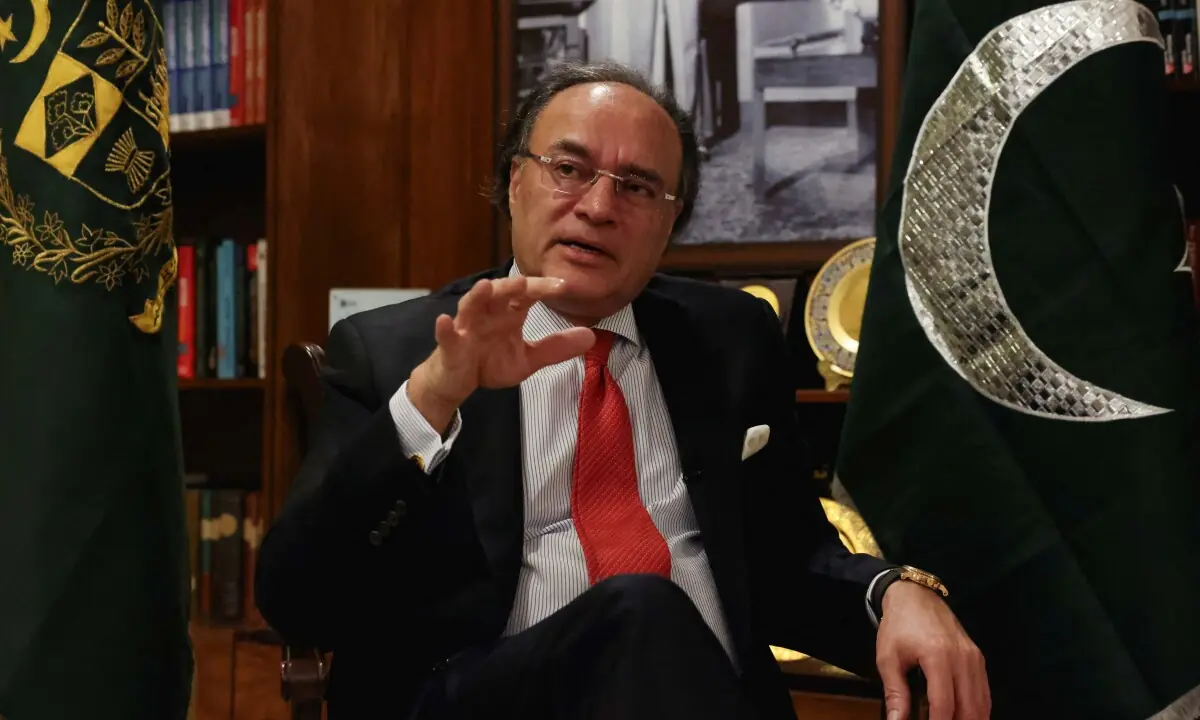
Finance Minister Muhammad Aurangzeb said Pakistan is closely monitoring the Middle East situation and warned that a prolonged Iran conflict could have serious economic consequences. He also said Pakistan’s leadership had supported diplomatic engagement between the US and Iran.

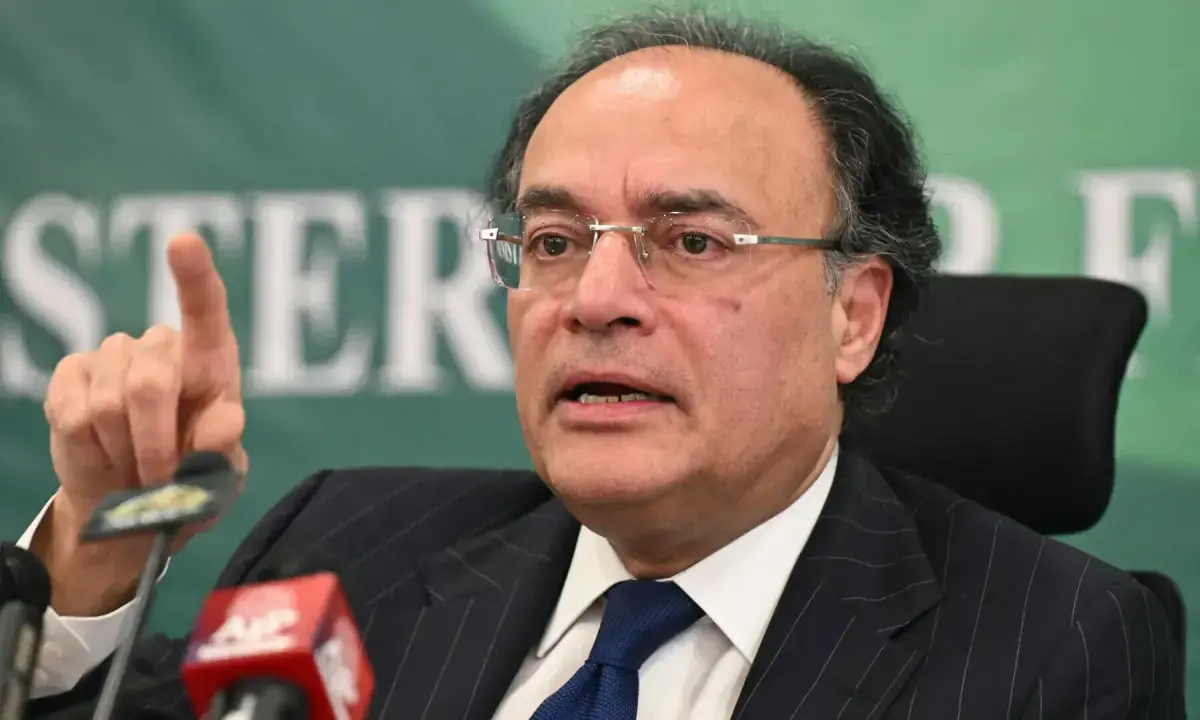
WASHINGTON: Finance Minister Muhammad Aurangzeb has said that Pakistan is closely monitoring the evolving situation in the Middle East, warning that a prolonged conflict would have serious financial consequences for the country and the wider global economy.
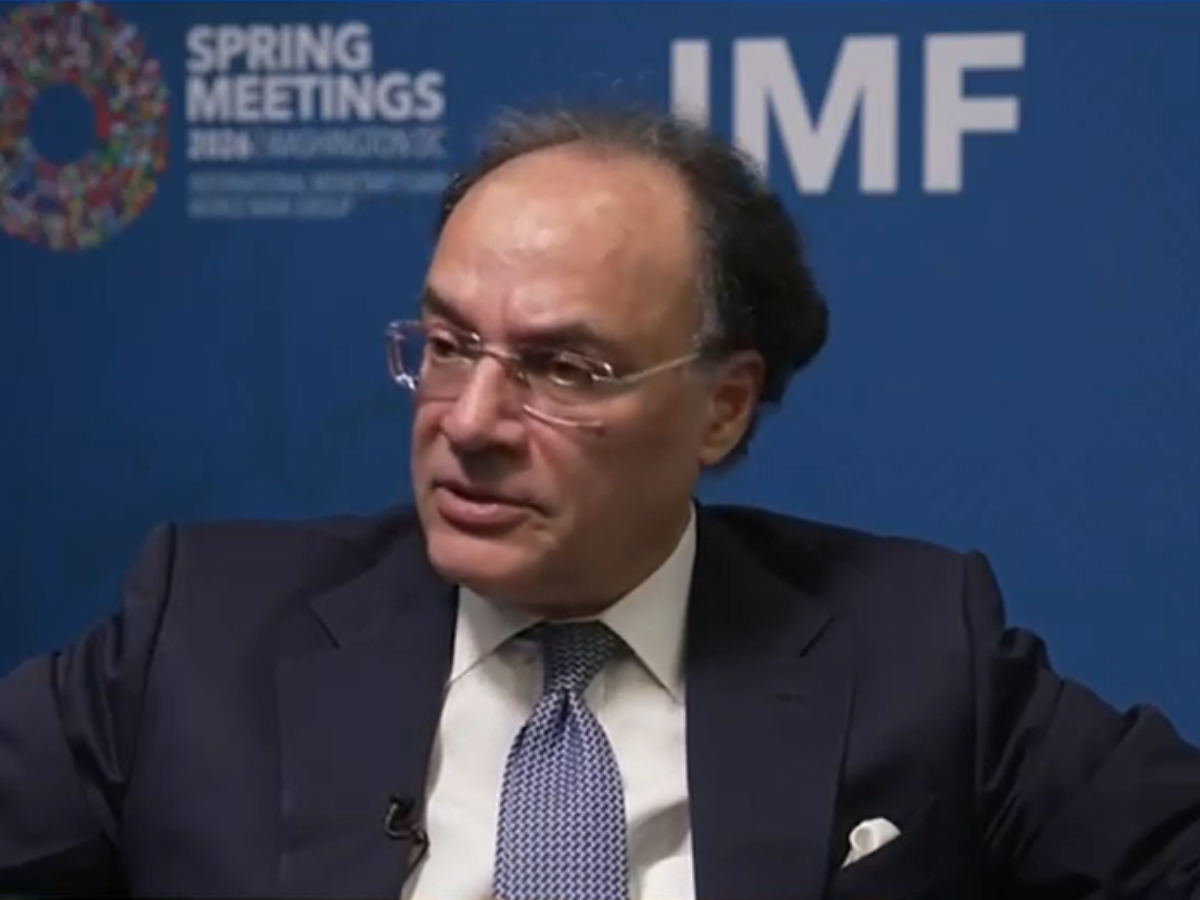
In an interview with CNBC, the minister said Pakistan’s leadership had made a “very earnest effort” over the weekend to support diplomatic engagement between the United States and Iran.
“So, our leadership is still at it. And very earnest effort was made over the weekend, and that was recognised both by the US leadership and the Iranian leadership,” he said, adding: “At this point in time, the discussions continue.”
Asked about the timing of the next round of talks, Aurangzeb stressed the importance of maintaining calm rather than focusing on specific dates. “I think the first thing, the important thing is that the ceasefire continues,” he said. “It’s difficult to double-down into the exact dates but the engagement is on.”
Responding to whether the absence of a concrete breakthrough was disappointing, the minister described the resumption of dialogue itself as a significant development.
“It’s about 50 years later that there were face-to-face discussions between Iran and the United States. And I think that in itself is a big achievement,” he said.
“When you sit down, and there’s a dialogue going on. But there are various points of discussions and as those discussions continue and I think that in itself bodes well for the future.”
He said Pakistan hoped the dispute would be resolved through diplomacy, while cautioning that the economic risks for countries like Pakistan were substantial.
“We have to be hopeful because dialogue and diplomacy is the way forward,” he said. “Even as a country which is not directly involved in the war, but we are in a warlike situation, and I can tell you as a finance minister the first impact that we see in our country is the financial impact and if the war goes on, it would be a quite big issue for the entire world, and certainly for us as well.”
On energy security, Aurangzeb said Pakistan’s immediate fuel needs were currently covered but highlighted structural vulnerabilities due to reliance on imports.
“Our [oil] reserves are good enough to take us towards the end of this month and into the next month as well,” he said. “But you can appreciate that in a country which is built on commercial reserves, and we do not have strategic reserves, both the availability and the pricing become real issues.”
Pakistan continues to depend heavily on imported energy, making it vulnerable to global price shocks and any disruption in shipping routes such as the Strait of Hormuz, which remains a key artery for global oil trade.
Comments
No comments yet. Be the first to join the discussion!