Aurangzeb engages global financial leaders in Washington to advance Pakistan's economic agenda
Finance Minister Muhammad Aurangzeb met US Treasury, IMF-World Bank partners and private sector leaders in Washington, citing macro stabilization, IMF programme progress, investment plans, and digital reforms.

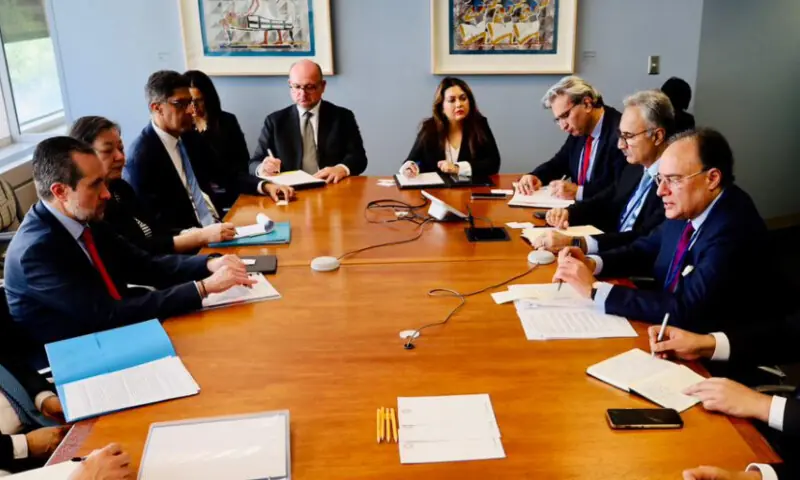
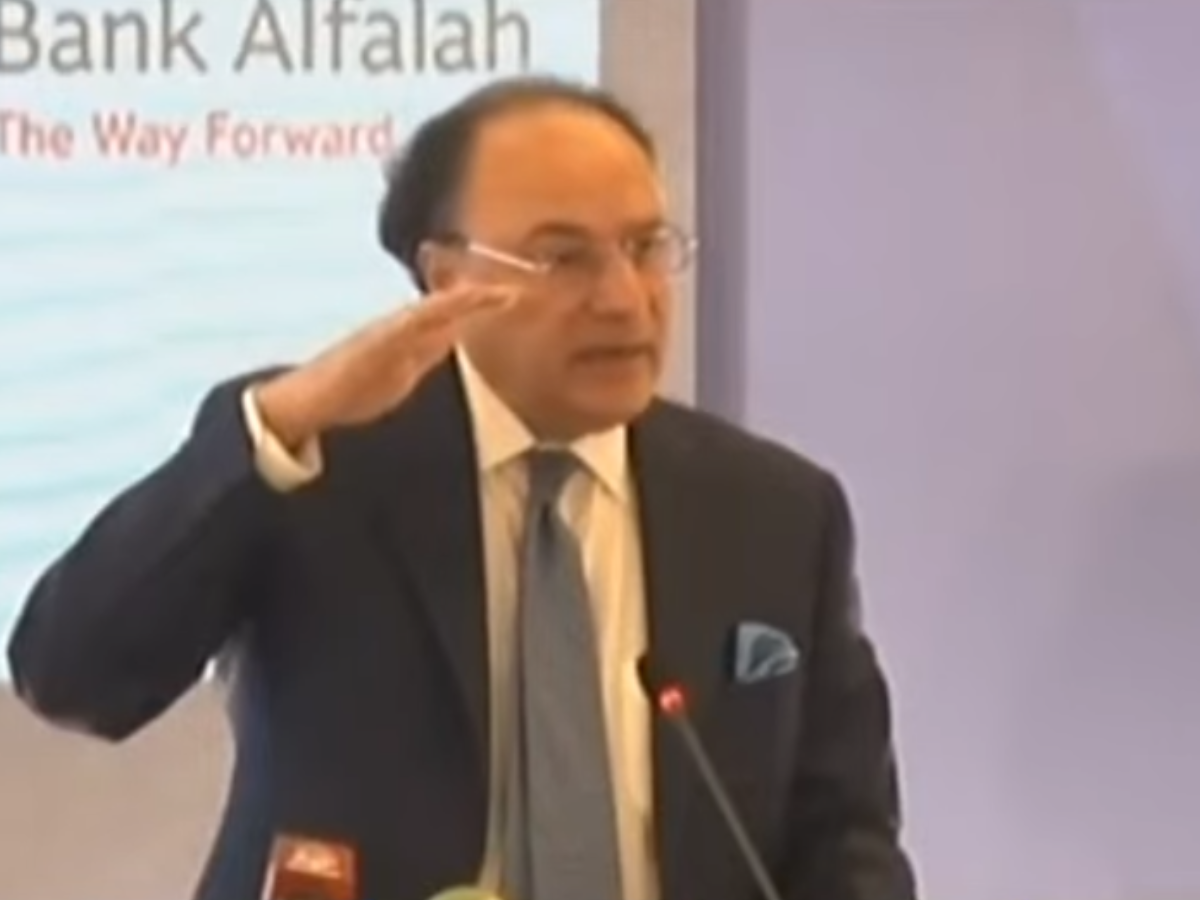
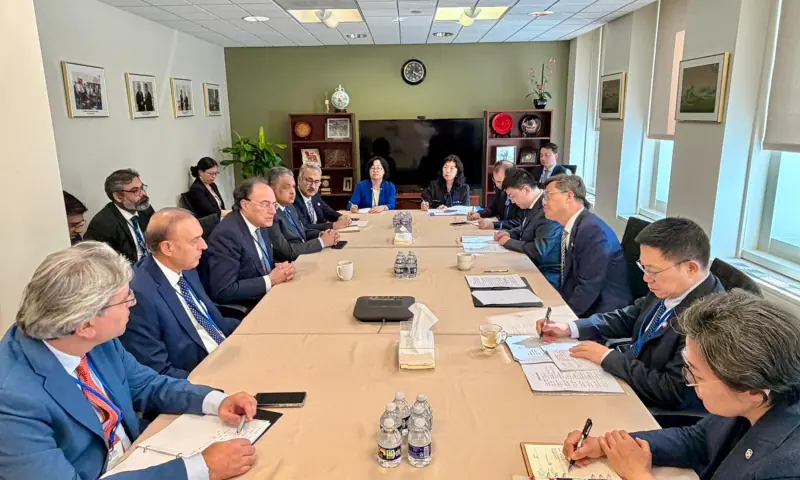
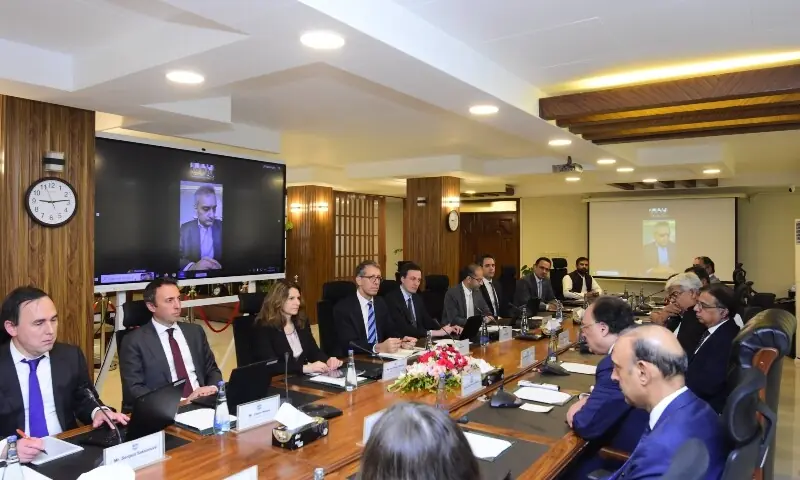
WASHINGTON: Finance Minister Muhammad Aurangzeb held a series of high-level meetings with global financial institutions, development partners and private sector leaders on Saturday, aimed at advancing Pakistan’s economic priorities and strengthening international partnerships.
On the sidelines of the IMF-World Bank Spring Meetings, the minister met officials from the United States Department of the Treasury, where both sides reaffirmed strong bilateral economic engagement and explored avenues for further cooperation. During talks with Deputy Secretary Francis Brooke, Aurangzeb highlighted Pakistan’s progress on macroeconomic stabilisation, prudent external debt management and re-entry into international capital markets.
He also pointed to investment opportunities in the energy and minerals sectors and briefed the US side on regulatory efforts related to digital and virtual assets. Stressing the importance of continued US support, he reiterated Pakistan’s commitment to its programme with the International Monetary Fund.
In a separate meeting, Aurangzeb met Kalpana Kochhar of the Bill & Melinda Gates Foundation and reaffirmed Pakistan’s partnership with the foundation, particularly on health initiatives. He underscored that polio eradication remained a national priority and highlighted ongoing reforms at the Federal Board of Revenue, including digital compliance systems and institutional capacity building.
The finance minister also held talks with Jenny Chapman, reaffirming strong ties with the United Kingdom. He noted that Pakistan had achieved a current account surplus in the first nine months of the fiscal year and remained on track to meet fiscal targets. He added that the government had addressed recent energy price shocks through targeted subsidies and expenditure controls.
In discussions on climate resilience, Aurangzeb said Pakistan had financed recent flood relief efforts through domestic resources, supported by improved fiscal buffers. He also highlighted the establishment of a modern disaster management centre equipped with advanced technology.
The minister met Shohei Hara of the Japan International Cooperation Agency, welcoming the resumption of its lending programme and expressing interest in leveraging Japan’s expertise in health, education and blended financing models.
During a separate engagement with Zou Jiayi of the Asian Infrastructure Investment Bank, Aurangzeb appreciated the bank’s continued support and highlighted Pakistan’s plans for its inaugural Panda Bond issuance, alongside recent Eurobond activity. He said improved macroeconomic fundamentals strengthened the case for a credit rating upgrade.
In meetings with S&P Global Ratings and Citibank, the minister shared updates on Pakistan’s agreement with the IMF and outlined a medium-term borrowing strategy that includes Eurobonds, Sukuk and innovative financial instruments.
Aurangzeb also participated in a World Bank roundtable on digital social protection, highlighting reforms in the Benazir Income Support Programme and the role of digital systems in promoting financial inclusion, especially for women.
The engagements marked the conclusion of the Spring Meetings, reflecting Pakistan’s efforts to deepen international cooperation and sustain economic reforms while improving its global financial standing.
Comments
No comments yet. Be the first to join the discussion!