Trump tariff plan over forced labour triggers broad international pushback
The Trump administration has proposed new tariffs on imports from 60 countries over alleged failures to combat forced labour. The plan has drawn objections from major trading partners and renewed debate over its legal basis and economic impact.

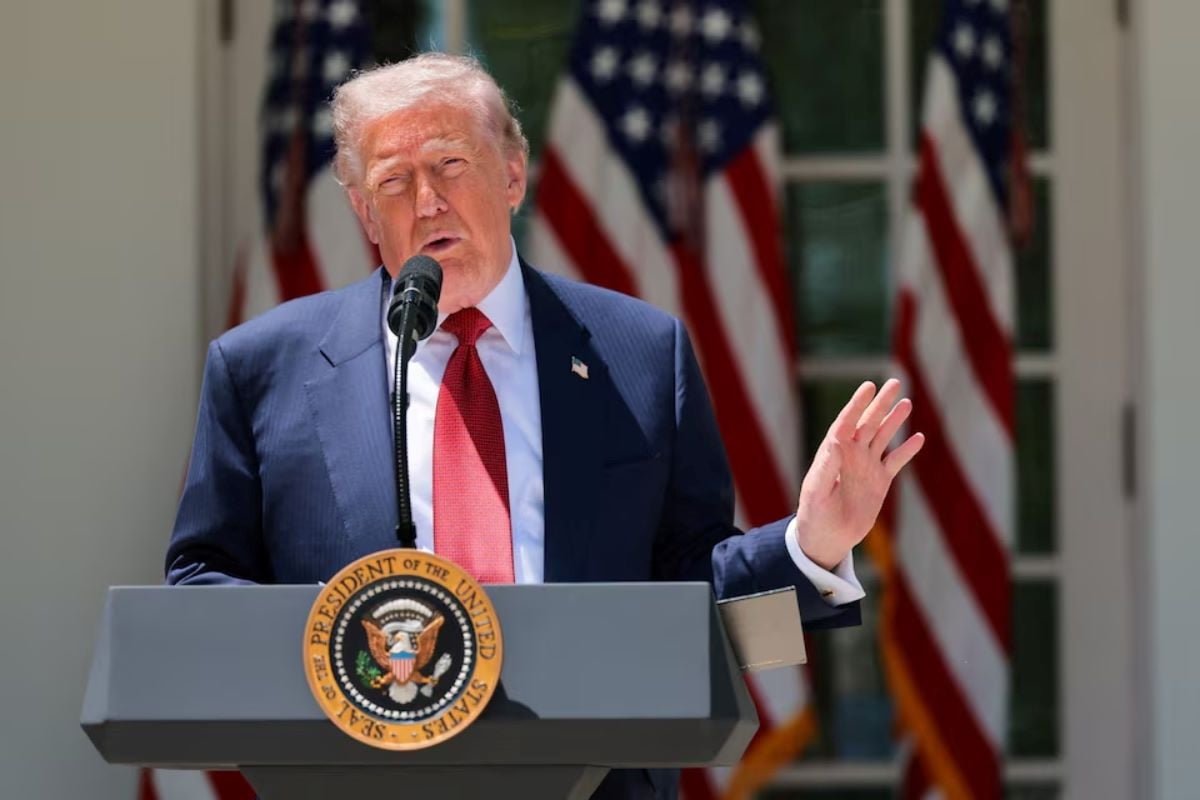
WASHINGTON: The administration of US President Donald Trump has proposed fresh tariffs on imports from 60 countries, arguing that trading partners have failed to do enough to block goods linked to forced labour. The plan has prompted a strong response from governments including the European Union, China and Australia, while economists and trade specialists have raised questions about both its likely impact and whether it can meet its stated objective.
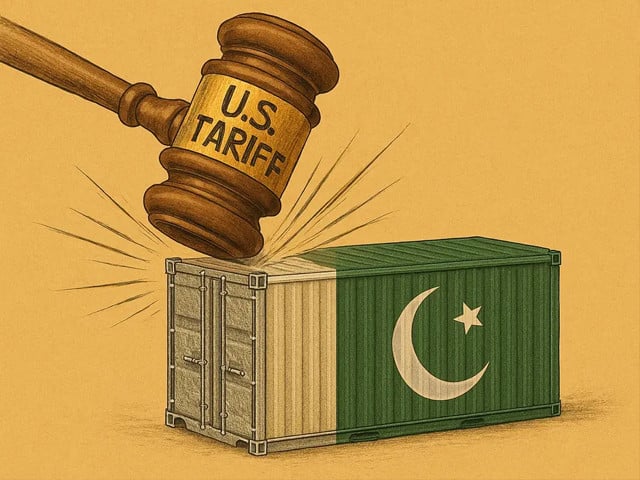
Under the proposal, countries judged to have partial restrictions on imports tied to forced labour — including the European Union, Canada, Mexico and Pakistan — would face tariffs of 10%. A higher rate of 12.5% would apply to countries such as China, India and Australia, which Washington says do not have effective enforcement mechanisms in place. The USTR says these gaps create an uneven trading environment in which US workers are forced to compete with products made under abusive conditions.
Legal shift after court setback
The tariff initiative follows a major legal setback earlier this year, when the US Supreme Court ruled that Trump had gone beyond his authority in using emergency powers to impose tariffs. In response, the administration has turned to Section 301 of the Trade Act of 1974, a more established but slower legal route, to underpin the new measures. The move is seen as an effort to preserve Trump’s wider tariff framework before temporary Section 122 duties expire in July.
The tariffs have not yet been finalised and are still subject to consultations and hearings. Still, the proposal has reinforced concerns among critics that the administration intends to keep tariffs at the centre of its trade policy despite judicial limits, this time under a forced-labour rationale.
Trading partners reject US case
The European Union has called the proposed duties unjustified and says its Forced Labour Regulation, due to take effect in 2027, will create one of the world’s most extensive bans. European officials have also said the plan could damage ongoing efforts to steady transatlantic trade ties. Bernd Lange, who chairs the European Parliament’s trade committee, said the US case against the bloc did not stand up to scrutiny.
China, which falls into the higher tariff bracket, has also rejected the allegations. Mao Ning, spokesperson for China’s foreign ministry, said Beijing opposed unilateral tariff action and denied the existence of forced labour in China.
"China opposes all forms of unilateral tariff measures. There is no such thing as ‘forced labour’ in China,"Australia has also objected to the proposal, saying its domestic legal framework is strong and warning that the tariffs could breach existing trade arrangements. Prime Minister Anthony Albanese said:
The tariffs are unwarranted and would only push up prices for US consumers.
New Zealand Trade Minister Todd McClay said the latest move appeared designed to restore tariff pressure through a legally defensible route.
This [new tariffs] is actually trying to find an actual legal base to put that tariff weight back in place.
Singapore’s Ministry of Trade and Industry said there was no evidence linking the country to supply chains involving forced labour. An MTI spokesperson said Singapore had conveyed its position during bilateral consultations with the USTR.
"Forced labour is a transnational issue that requires international cooperation,"Economic and policy concerns
Economists say the proposed tariffs could quickly translate into higher costs for US consumers by increasing the price of imported goods, from farm products to industrial inputs. Businesses that depend on global supply chains may also face cost pressures and disruption. Analysts further warn that the breadth of the proposal could unsettle markets, particularly in Europe, where economies are already dealing with weak growth and energy volatility.
Rights experts and trade specialists are doubtful that the policy, as designed, can address the underlying causes of modern slavery. They say tariffs based on trade volume rather than the seriousness of labour abuses may fail to target the problem effectively and could even trigger stronger resistance in the countries affected. The International Labour Organisation estimates that 27.6 million people are subject to forced labour globally, a scale that critics say is unlikely to be tackled through unilateral tariffs alone.
The proposal has therefore deepened suspicions among critics that the forced-labour argument is being used to support a broader protectionist trade agenda. Those concerns have been sharpened by the inclusion of US allies that already have strong labour safeguards. If adopted, the measures could alter trade patterns, put further strain on alliances and add to fragmentation in the global economy.
Comments
No comments yet. Be the first to join the discussion!