US proposes 12.5pc tariff on India over forced labour concerns amid trade talks
The US has proposed a 12.5pc tariff on Indian imports over what it says is a failure to curb forced-labour-linked imports. The move comes as trade officials from both countries hold talks in New Delhi.

NEW DELHI: The United States has proposed an additional 12.5pc tariff on imports from India, saying the country is among dozens of economies that did not do enough to curb imports made with forced labour, a move that could complicate bilateral trade negotiations currently under way in New Delhi.
The proposal was issued by the Office of the United States Trade Representative on Tuesday, the second day of a three-day round of talks between Indian trade officials and a US delegation led by Assistant USTR Brendan Lynch. In a 92-page report, the USTR said India had not put in place and effectively enforced a prohibition on imports linked to forced labour, and described the country’s policies as unreasonable and a burden on US commerce.
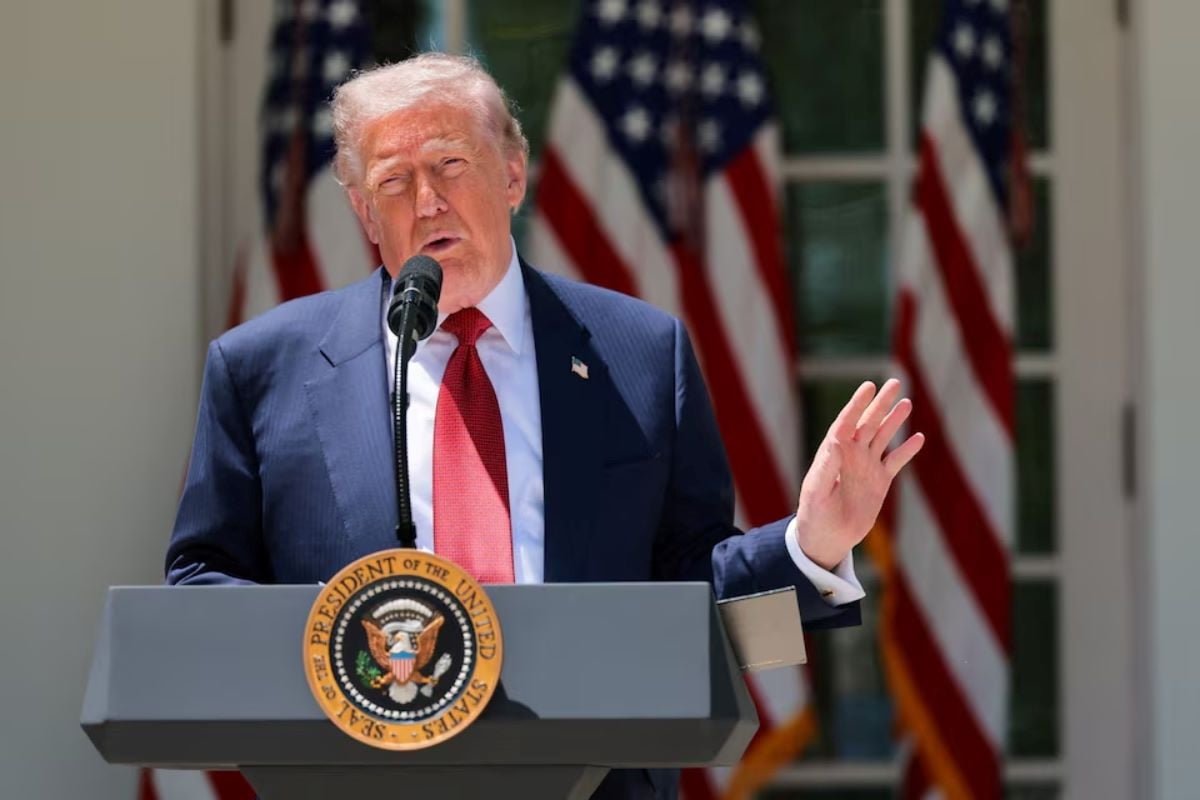
U.S. Trade Representative Jamieson Greer said the issue had distorted competition for American workers.
India’s commerce ministry said on Wednesday that the proposed tariffs were not final and that the USTR would take public input into account before making a decision. In a statement, the ministry said India remained engaged with the United States on the issue as part of Section 301 proceedings and was also continuing discussions with Washington on a framework agreement announced in February.
Section 301 action and tariff categories
The proposed measure follows a Section 301 investigation into what the Trump administration described as unfair trade practices, as it seeks to rebuild emergency tariffs that were struck down by the Supreme Court in February.
India was placed among 54 economies that do not have a forced-labour import prohibition and therefore face the higher proposed duty. Six other economies — Canada, Ecuador, the European Union, Indonesia, Mexico and Pakistan — have such prohibitions in place but would face a lower 10pc tariff because they were deemed not to have enforced them effectively.
The USTR report also identified India as an intermediary in cotton supply chains connected to Chinese forced-labour inputs.
Indian response and next steps
Ajay Srivastava, founder of the Global Trade Research Initiative, said the US finding could be challenged because the USTR investigation was not about forced labour in Indian exports, but about whether India blocked imports linked to forced labour in other countries.
He said the proposed tariffs were being seen as part of wider US pressure tactics and argued that India should handle the Section 301 case separately from negotiations on a bilateral trade agreement with Washington.
A government source had earlier told Reuters that New Delhi intended to raise the Section 301 investigation with Lynch’s team and seek relief from the tariff proposals as part of the broader two-way trade discussions.
The USTR has invited public comments on the tariff proposal through July 6, and a hearing is scheduled for July 7.
Comments
No comments yet. Be the first to join the discussion!