FO denies sharing Iran nuclear information with US
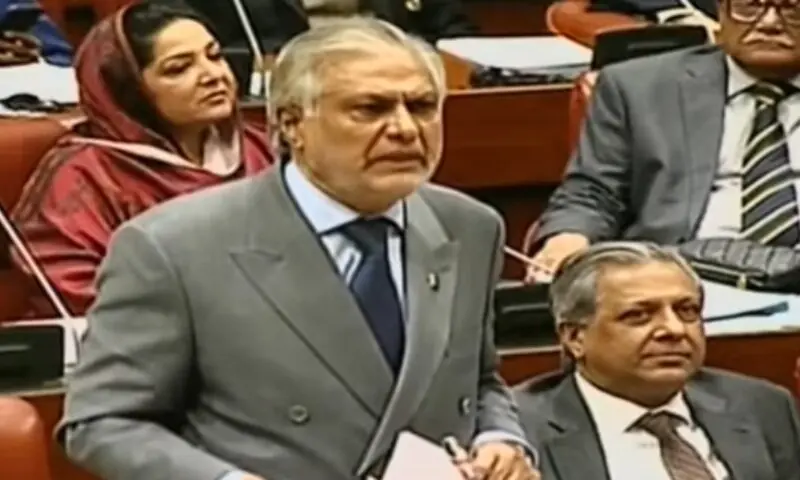
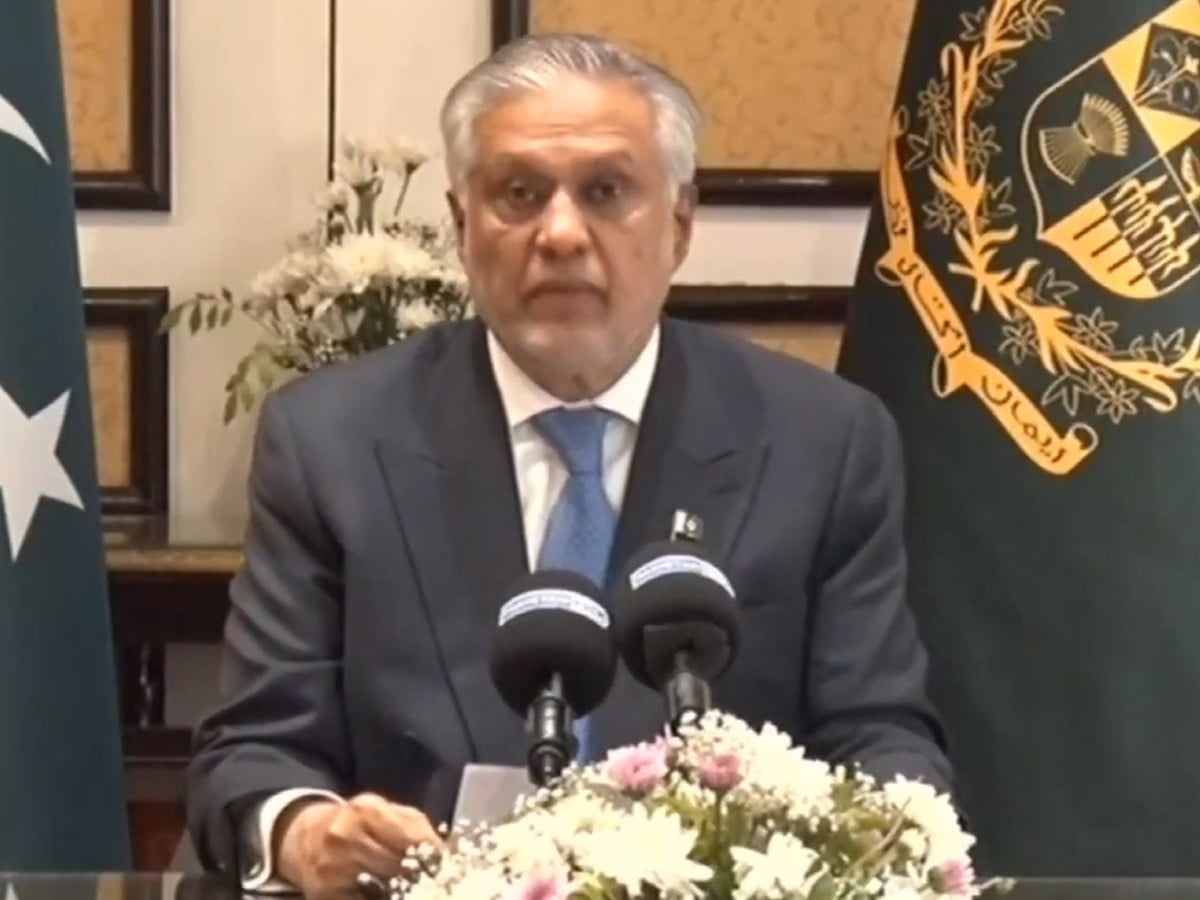
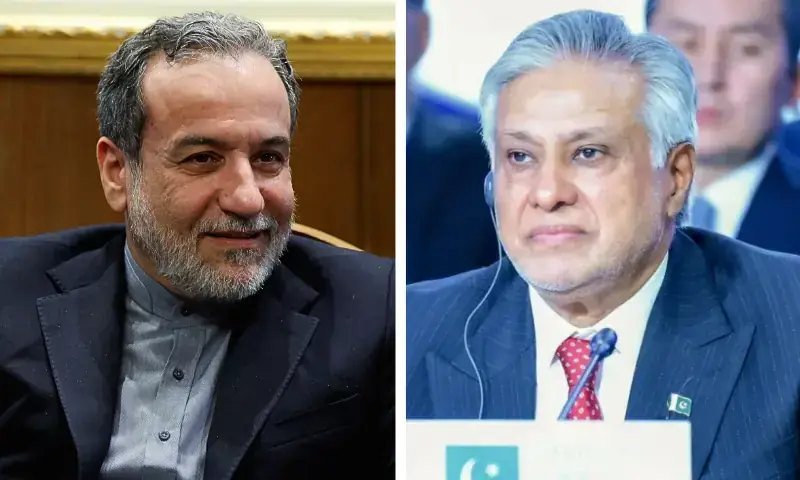
The Foreign Office has denied reports that Ishaq Dar shared intelligence on Iran’s nuclear programme with the United States. It also restated Pakistan’s positions on Palestine, Indian water projects, Afghanistan and regional security.

ISLAMABAD: The Foreign Office on Thursday dismissed reports alleging that Deputy Prime Minister and Foreign Minister Ishaq Dar passed intelligence about Iran’s nuclear programme to the United States, calling the claim unfounded and misleading.
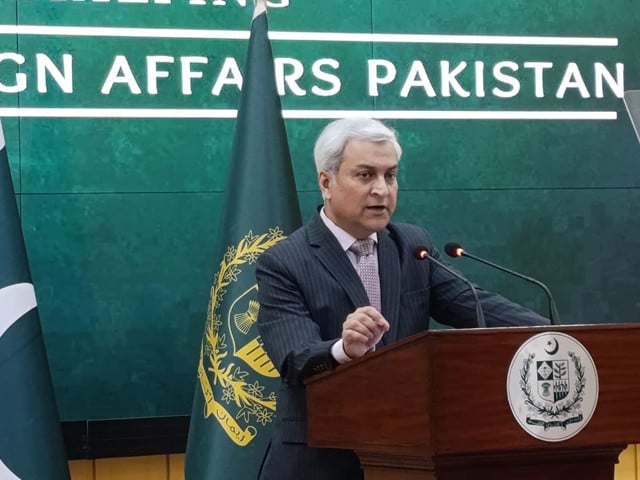
At the weekly Foreign Office briefing, spokesperson Tahir Andrabi said the allegation concerning Dar’s meeting with US Secretary of State Marco Rubio in Washington on May 29 was false. He said the two sides had held a broad discussion on developments in the Middle East and the Gulf, with emphasis on peace, stability and diplomatic solutions, and stated that no intelligence was exchanged.
Andrabi said the reports were speculative and appeared intended to disrupt ongoing diplomatic engagement. The clarification followed media speculation that Pakistan had conveyed sensitive information to Washington regarding Iran’s possible exit from the Nuclear Non-Proliferation Treaty and its alleged nuclear intentions.
On regional diplomacy, the spokesperson said Pakistan welcomed the role played by the United States in helping secure a ceasefire between Lebanon and Israel. He said Pakistan remained committed to dialogue and peaceful engagement in dealing with complex regional disputes.
Position on Abraham Accords unchanged
The Foreign Office also said Pakistan’s stance on the Abraham Accords had not changed, despite recent remarks by US President Donald Trump that mentioned Pakistan in the context of regional normalisation.
Referring to comments made by Dar during his recent Washington visit, Andrabi said Pakistan’s position remained tied to a settlement of the Palestinian issue. He said Islamabad’s benchmark continued to be the creation of a viable and contiguous Palestinian state with Al-Quds Al-Sharif as its capital, within the agreed pre-1967 borders.
Objection to Indian water projects
Andrabi also reacted strongly to India’s reported plan to divert water from the Chenab River through the proposed Chenab-Beas Link Tunnel Project. He said Pakistan had reviewed reports, including a public tender issued by the Indian government, under which about 1.9 million acre-feet of water would be transferred annually from the Chenab into the Beas system.
He said such an inter-basin diversion would violate the Indus Waters Treaty, the law of treaties including the Vienna Convention on the Law of Treaties, and broader international water law, including principles reflected in the 1997 UN Convention on Watercourses.
The spokesperson also raised concern over India’s proposed silt-flushing operations at the Salal Dam reservoir in Indian Illegally-Occupied Jammu and Kashmir. He said the move would give India water-control capabilities not allowed under either the Indus Waters Treaty or the 1978 Salal Agreement.
According to Andrabi, India has neither formally shared project details with Pakistan nor sought consultations. He said the projects showed that India wanted to weaponise water and warned that such steps could have serious consequences for Pakistan’s economy, regional stability, and international peace and security.
While reaffirming Pakistan’s preference for peaceful resolution of disputes, he said any effort that threatened the country’s water security would not be acceptable and added that Pakistan retained all available options to protect its rights under the treaty and defend its national interests. He also called on the international community to press India to abandon projects aimed at stopping, reducing or diverting waters allocated to Pakistan under the treaty framework.
Afghanistan and security concerns
Asked about reports that the Taliban authorities in Afghanistan had reached a military cooperation agreement with Russia, the Foreign Office said it was still verifying the details and that comment at this stage would be premature.
On ties with Afghanistan, Andrabi reiterated Pakistan’s longstanding position that Afghan soil must not be used for terrorist attacks against Pakistan. He said Islamabad wanted dialogue and diplomacy, but could not allow the killing of Pakistani civilians and law enforcement personnel by elements based in Afghanistan, or by those operating with the collusion of authorities there, to continue unchecked.
He said Pakistan continued to seek an unequivocal assurance from the Afghan side that its territory would not be used for terrorism against Pakistan.
The spokesperson also confirmed that China’s special envoy had recently held talks in Islamabad on regional security, including threats from the banned Tehreek-e-Taliban Pakistan and the East Turkestan Islamic Movement. He said Pakistan and China had agreed to enhance coordination and align their counterterrorism efforts to support regional peace and security.
Comments
No comments yet. Be the first to join the discussion!