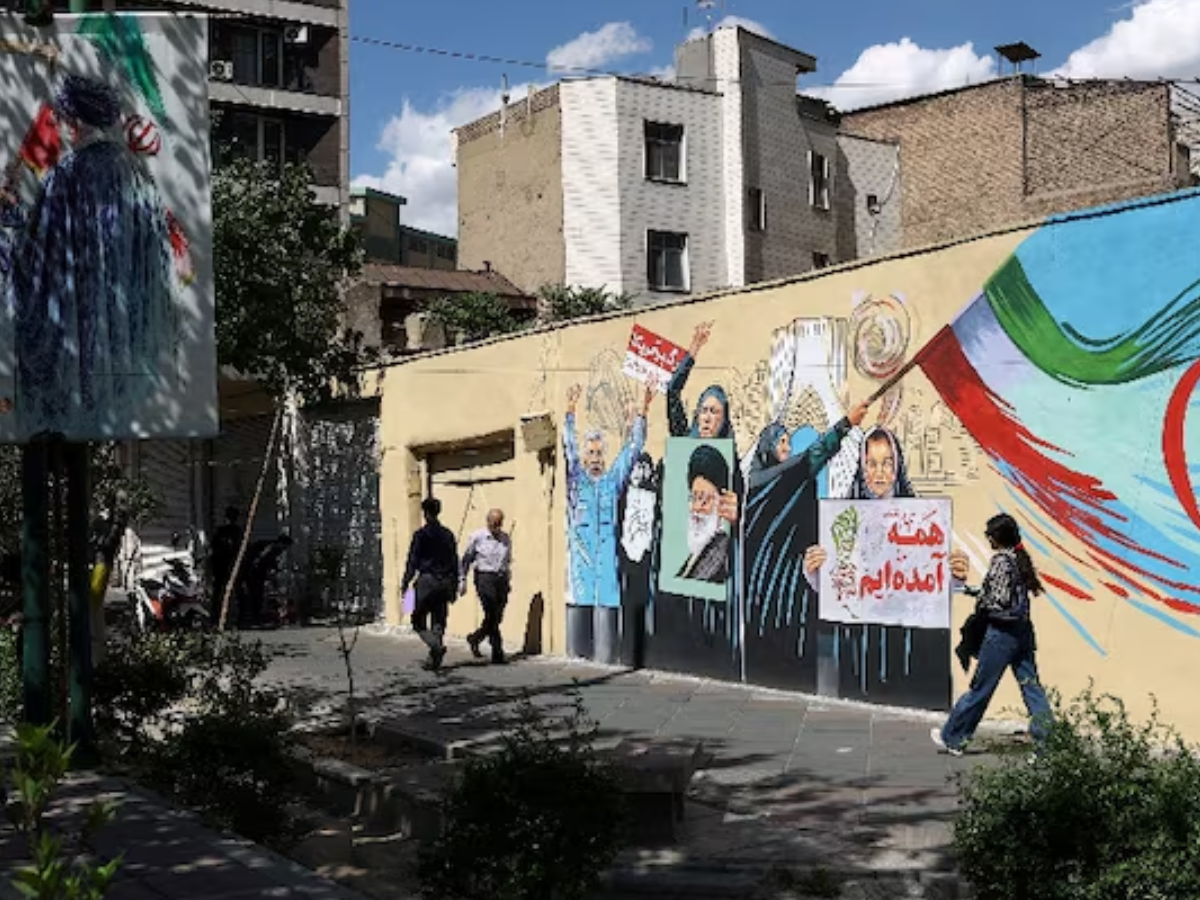
Washington policy debate on Iran widens as midterms and strategy divide analysts
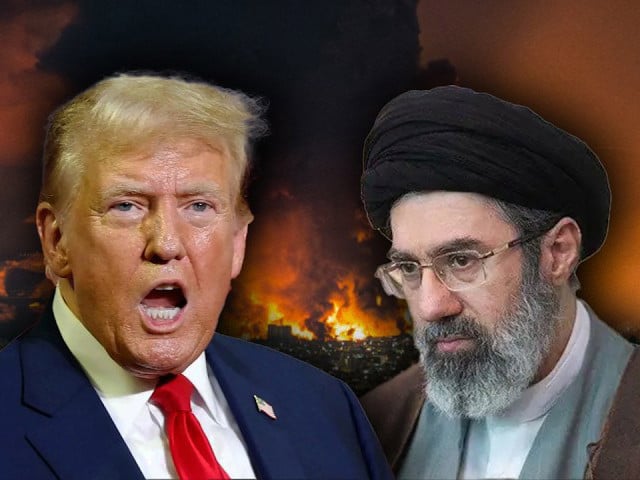
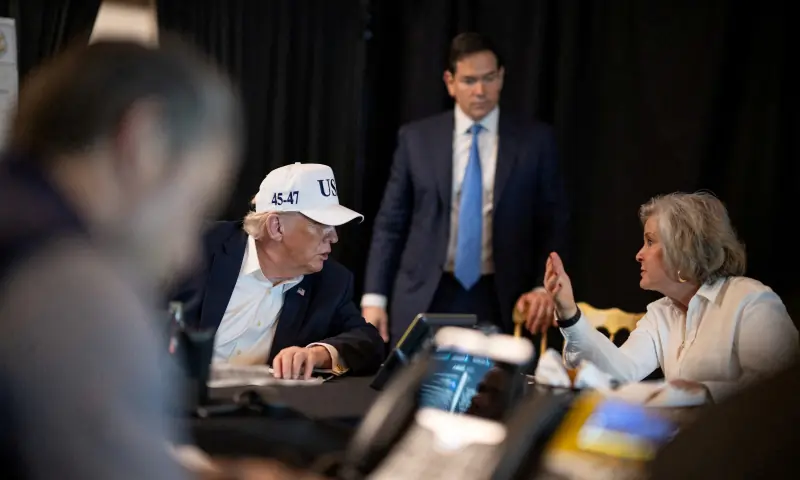
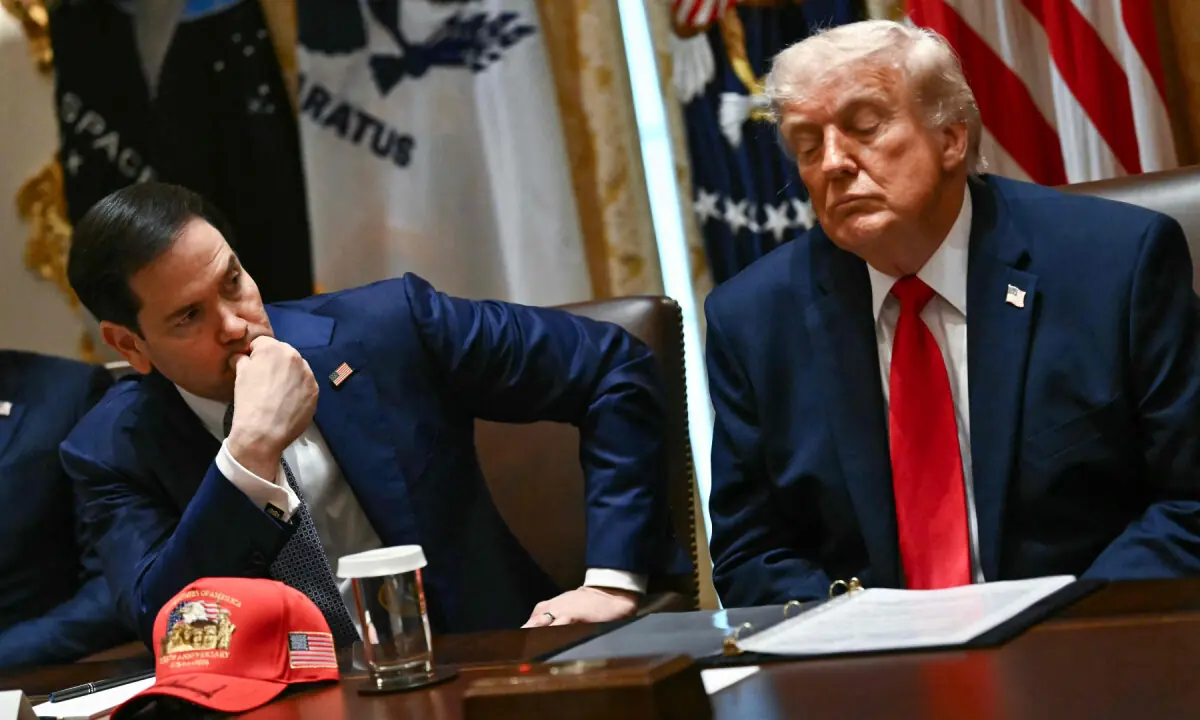
Debate in Washington over Iran policy has widened as US think tanks offer sharply different views on diplomacy, pressure and the political fallout for Donald Trump before the 2026 midterm elections.

WASHINGTON: Reports that the United States and Iran may be nearing an extension of their ceasefire and a reopening of the Strait of Hormuz have triggered a broader debate in Washington over the direction of US policy toward Tehran.
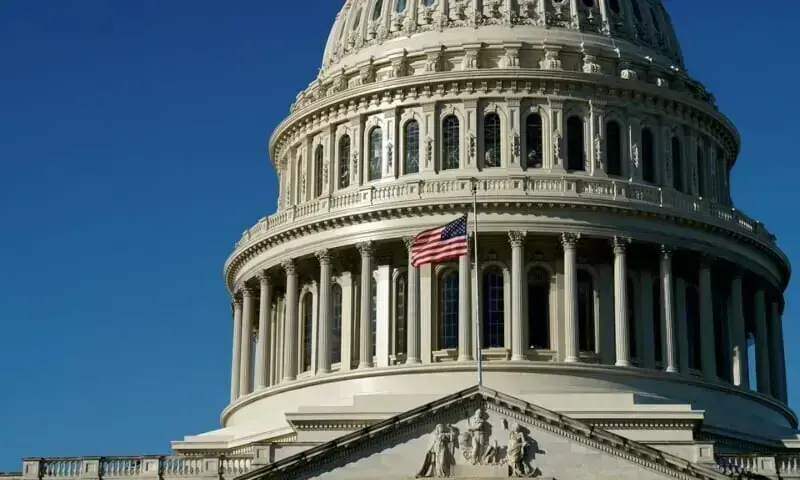
The discussion now reaches well beyond the White House, with major American think tanks offering differing views on Iran, the fallout from the recent conflict and the political risks facing President Donald Trump ahead of the 2026 midterm elections. Republicans currently hold slim majorities in both chambers of Congress, and the midterms will determine control of Congress for the second half of Trump’s presidency.
The central question for many policymakers is no longer only whether Washington and Tehran can arrive at a temporary understanding, but whether the economic and political consequences of the conflict will alter US domestic politics and narrow the administration’s room for manoeuvre.
Midterm concerns and domestic political fallout
James M. Lindsay, a senior fellow at the Council on Foreign Relations and a former director for global issues and multilateral affairs at the National Security Council, focused on the domestic effects of the crisis in his latest analysis.
Trump has publicly brushed aside the electoral implications. "I don’t care about the midterms," he said.
Lindsay, however, argued that the political consequences are likely to be significant. In his writing, he said:
"Whatever role the midterm elections play in Trump’s Iran thinking, Iran is likely to play an outsized role in November"
Lindsay linked the conflict to higher fuel costs and inflation, which he argued have weakened support for the administration. He also pointed to polling that showed falling approval among independent voters, Latino voters and parts of Trump’s traditional support base.
Lindsay further argued that House midterm elections historically serve as a judgment on sitting presidents. He wrote:
"The House midterms function as referenda on incumbent presidents"
Presidents have gained House seats only four times since the rise of the modern two-party system in the nineteenth century. With Republicans holding only a narrow House majority, Lindsay argued they would be especially exposed if economic conditions worsen. He also said Operation Epic Fury and the wider economic impact of the Iran conflict have added to declining public support, with higher energy prices and inflation proving more politically damaging than the conflict itself. In his view, even a positive diplomatic outcome may not quickly undo that damage.
Control of the Senate may also be crucial. Republicans currently hold a 53-47 majority in the 100-member chamber. Because the Senate confirms cabinet officials, ambassadors, senior military officers and federal judges, including Supreme Court nominees, losing control would make it much harder for the administration to shape both policy and the judiciary.
Competing views on Iran and diplomacy
Brett McGurk, identified as being associated with the Atlantic Council and having served in senior national security roles under four US presidents, offered one of the most sceptical views about the prospects for a lasting agreement with Tehran.
Writing in CNN Politics, McGurk argued that US policymakers have repeatedly misread the Iranian system. "The central driver of Iran’s behaviour has never been US diplomacy or even economic or military pressure. It is the revolutionary ideology of the Islamic Republic itself," he wrote.
McGurk believes American approaches, whether diplomacy, sanctions or military force, have been "wholly ineffective" at changing Iran’s ideological course. He argued that Tehran’s placement of what he described as hardened ideologues in key roles after the conflict shows the system’s resilience rather than vulnerability.
Philip Gordon of the Brookings Institution, who previously served as special assistant to President Barack Obama and White House coordinator for the Middle East, North Africa and the Gulf region, set out another view. Gordon said the United States and Europe still share broad goals in the Middle East, including preventing war, countering terrorism, keeping sea lanes open, limiting nuclear proliferation and promoting regional stability.
At the same time, Gordon argued that recent developments have highlighted widening differences between Washington and its European allies. European governments were largely kept out of negotiations and were not consulted before major US and Israeli military actions. In his view, this has intensified earlier disagreements over Gaza and wider Middle East policy, while also raising doubts about whether Washington can continue to depend on the kind of broad international coalitions seen in past regional initiatives.
Calls for continued pressure
On the more hawkish side of the debate, Rebeccah L. Heinrichs of the Hudson Institute argued for maintaining strong pressure on Tehran. She is a member of the US Strategic Command Advisory Group and a prominent supporter of a tougher line on Iran.
In a recent paper, she said Washington should "sustain maximum pressure" on Iran until it can no longer threaten shipping through the Strait of Hormuz or restore its nuclear programme.
Heinrichs also urged the administration to "resume Project Freedom" and coalition escort operations to protect commercial traffic through the waterway. She further argued that the United States should "reject interim arrangements" that grant Iran economic relief while it still retains the ability to threaten US interests.
Her recommendations reflect a wider view among conservative national security analysts that any negotiations should be supported by overwhelming economic and military pressure rather than accompanied by sanctions relief.
Comments
No comments yet. Be the first to join the discussion!