Iran ceasefire framework exposes divisions in US Congress
A reported framework to end the Iran-US conflict has divided US lawmakers, with Republicans warning it could undercut military gains and Democrats split over diplomacy. Key issues including sanctions, missiles and enrichment limits remain unresolved.

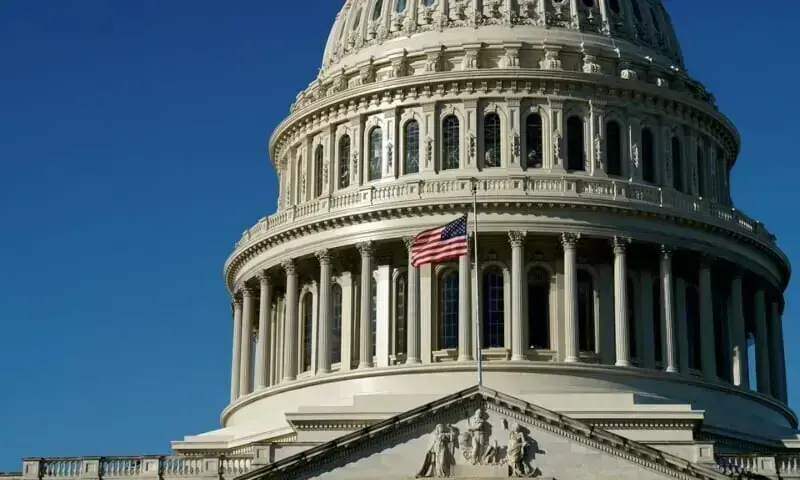
WASHINGTON: An emerging framework aimed at ending tensions between Iran and the United States is already triggering political chaos in Washington — and some of Donald Trump’s own allies are openly furious.
Even before the deal is finalised, the proposed arrangement has sparked a major divide among US lawmakers, with Republicans warning that Washington may be handing Tehran a dangerous strategic win.
According to a report by Dawn, the framework under discussion could include restoring maritime traffic through the Strait of Hormuz and creating a mechanism to deal with Iran’s stockpile of highly enriched uranium.
But key flashpoints — including missile capabilities, sanctions relief and long-term nuclear restrictions — reportedly remain unresolved and may be pushed into future negotiations.
That uncertainty alone has already ignited panic on Capitol Hill.
Roger Wicker, chairman of the Senate Armed Services Committee, blasted the reported proposal and warned that any ceasefire arrangement with Iran would be a “disaster.”
He argued that recent US-Israeli military operations against Iran would effectively become meaningless if Washington softened its stance now.
Meanwhile, longtime Trump ally Lindsey Graham also sounded the alarm, warning that an early diplomatic settlement could make Iran appear stronger across the Middle East.
In a sharply worded statement, Graham suggested the region could begin viewing Tehran as a dominant force capable of pressuring the world into negotiations through threats linked to the Strait of Hormuz and Gulf oil infrastructure.
Other Republicans were equally rattled.
Thom Tillis questioned whether Iran could even be trusted to follow through on any agreement, openly challenging the idea of allowing nuclear material to remain inside the country.
Former Secretary of State Mike Pompeo also weighed in, comparing the rumored framework to older nuclear deals he believes allowed Iran to buy time while avoiding serious restrictions.
But Democrats appeared divided.
Ro Khanna backed diplomacy and argued that earlier negotiations could have prevented economic fallout, including rising fuel and food prices.
Chris Van Hollen also leaned toward de-escalation, warning against further escalation in the conflict.
The drama comes as speculation intensifies around Trump’s broader Middle East strategy and growing fears that any rushed deal could either calm the region — or completely reshape the balance of power in Iran’s favour.
For now, Washington appears deeply split over one question: is this the beginning of peace, or the start of another geopolitical gamble?
Comments
No comments yet. Be the first to join the discussion!