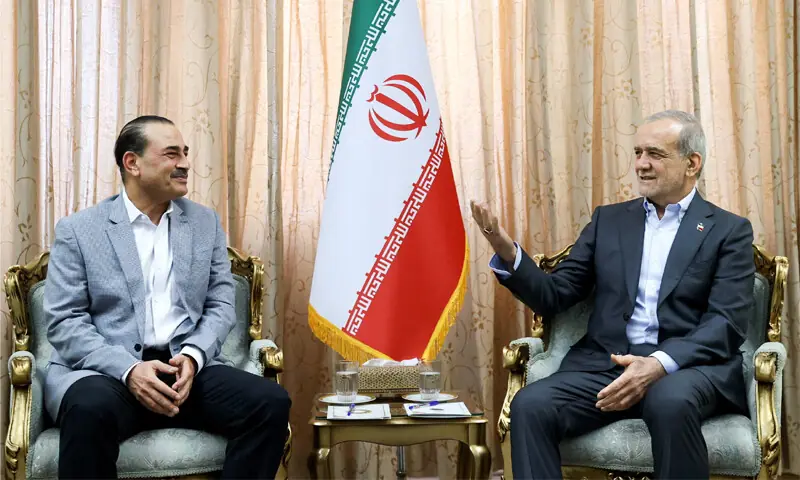
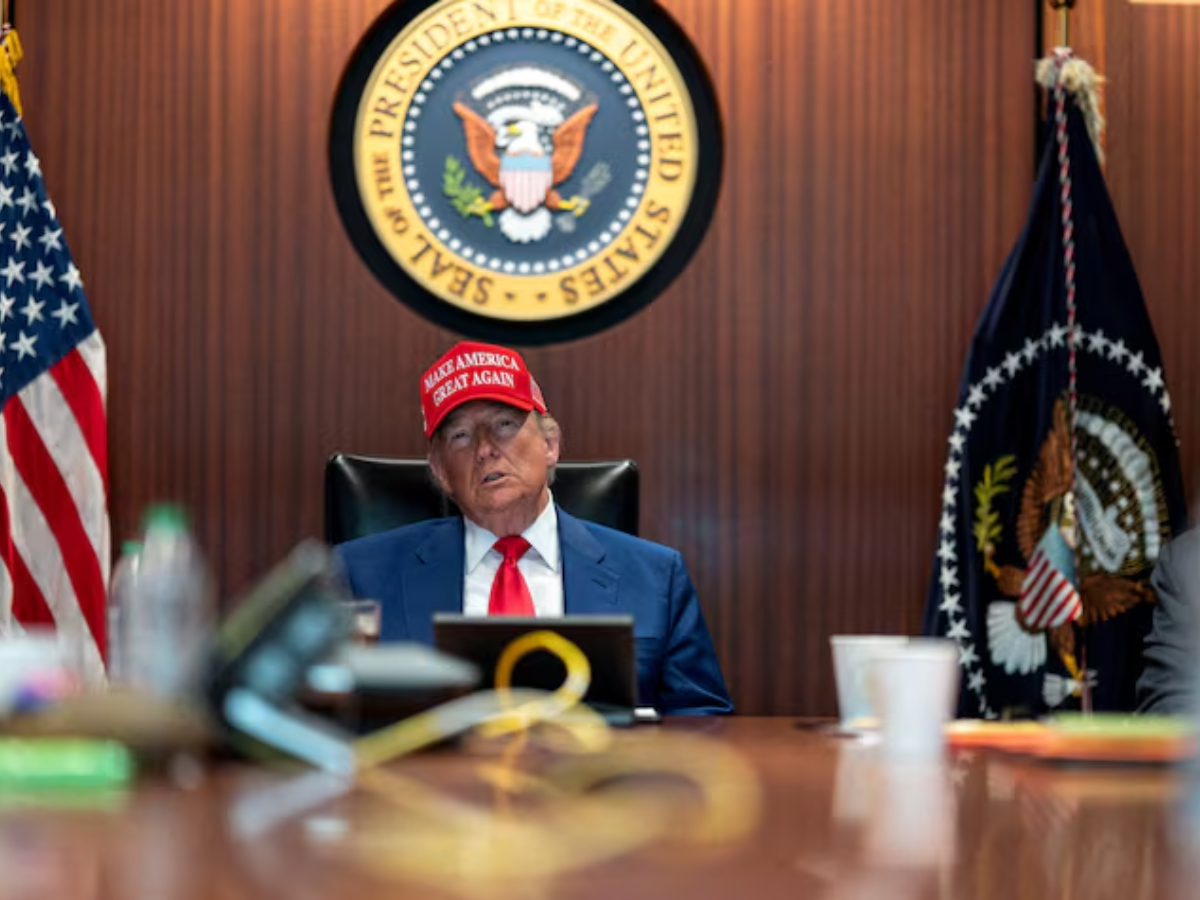
Trump faces pressure at home as US and Iran edge towards framework deal
Donald Trump is under pressure to secure lower energy prices and reopen the Strait of Hormuz while facing resistance from Republican Iran hawks over any concessions to Tehran. A possible US-Iran framework deal remains under discussion, but major issues are unresolved.

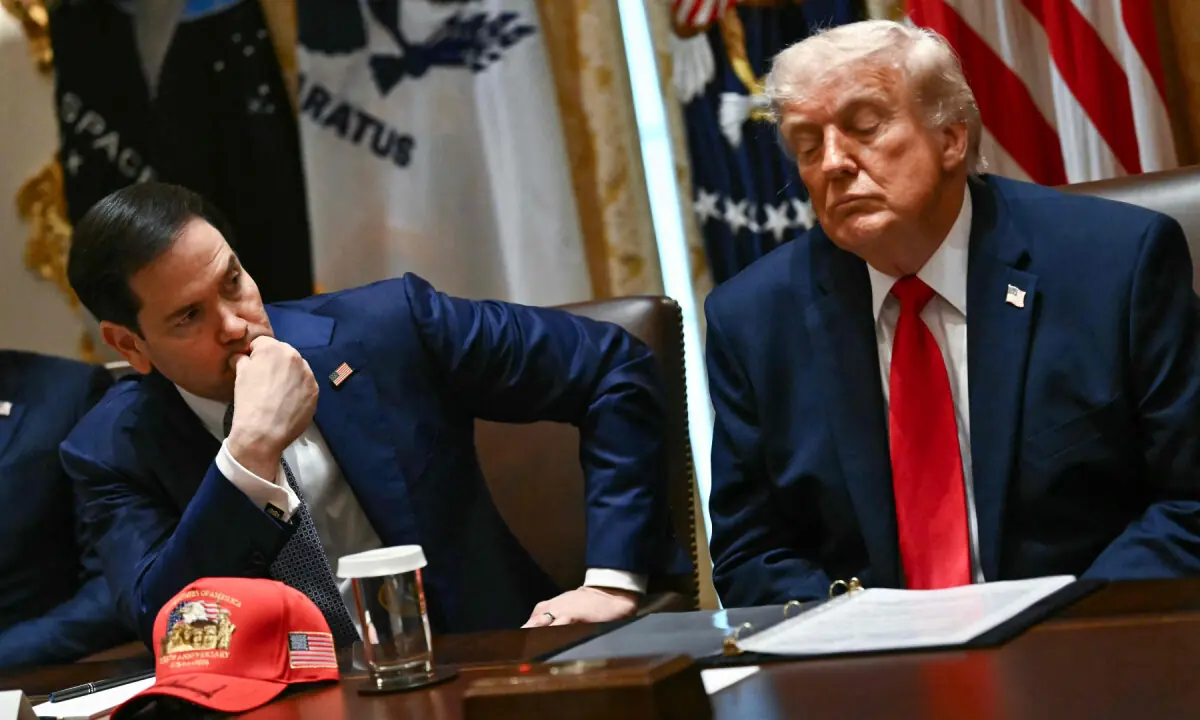
Washington: United States President Donald Trump is facing competing political and strategic pressures as Washington and Tehran move closer to a possible framework agreement aimed at extending their ceasefire and easing tensions around the Strait of Hormuz.
The emerging arrangement would prolong the current truce and loosen Iran's grip on the key oil shipping route, while postponing negotiations on Tehran's nuclear programme. If approved by Trump and Iran's leadership, the interim understanding would mark the biggest move towards de-escalation since the US joined Israel in attacking Iran on February 28, and could help reduce energy prices that have risen during the conflict.
At the same time, any such deal risks provoking criticism from Iran hawks within Trump's own Republican Party, many of whom want him to resume military action to block Tehran from obtaining a nuclear weapon. Earlier in the week, some of Trump's hardline allies criticised reports of a possible agreement and argued that he could end up with little more than the 2015 nuclear accord negotiated under former president Barack Obama, which Trump later abandoned during his first term.
Senior Republican figures who are usually aligned with Trump, including Senators Lindsey Graham, Roger Wicker and Ted Cruz, urged him not to make concessions. Trump responded by saying he was in no rush and would only accept a great agreement. Laura Blumenfeld, a Middle East expert at Johns Hopkins University, said Trump's recent shifts in tone pointed to a leader trying to contain a broad conflict under difficult circumstances.
A White House official said negotiations were moving forward and that Trump had set out clear limits for any agreement. The official, speaking on condition of anonymity because of the sensitivity of the matter, said the president would only accept an outcome that ensured Iran could never obtain a nuclear weapon.
Key issues remain unresolved
Details that emerged in media leaks on Thursday about the proposed memorandum of understanding suggested that several major questions remain unsettled. These include the long-term status of the Strait of Hormuz, the fate of Iran's stockpile of uranium enriched to near weapons-grade levels, and the scope of any sanctions relief.
The developing framework would reduce the risk of further military escalation, but it would still fall well short of Trump's earlier calls for Iran's unconditional surrender and his pledge to dismantle its nuclear programme. Iran has maintained that its nuclear activities are for peaceful purposes. Jason Brodsky, policy director of United Against Nuclear Iran, wrote on X that if the reported terms were correct, Tehran appeared to be gaining more from the memorandum than Washington.
Iran's Tasnim news agency said the text of the agreement had not yet been finalised. Trump has also previously said that a deal was close, and there is no certainty that the latest push will succeed where earlier efforts did not.
Economic and political pressure
The latest diplomatic activity has unfolded alongside a fresh but limited exchange of strikes that has put additional strain on the already fragile ceasefire. Trump appeared to be trying to secure Iranian movement on core issues while offering only limited concessions that would still allow him to present the outcome as a success.
Reopening the strait would be welcomed internationally, but it would also restore shipping flows that had existed before the war began. Meanwhile, Trump is under pressure from weak approval ratings, looming midterm elections in November and concerns that a prolonged conflict could inflict serious damage on the global economy. His aides have privately worried that higher gasoline prices could hurt Republican prospects in the elections, even though Trump said at a cabinet meeting on Wednesday that he did not care about the midterms.
Analysts also said Iran appears to believe it holds leverage after showing it could withstand military pressure and disrupt roughly one fifth of global oil supplies. Jon Alterman of the Centre for Strategic and International Studies said Trump's conduct suggested he wanted the conflict to end quickly, a factor that he said encouraged Iran to harden its position.
The past week's sharp shifts were consistent with Trump's broader approach, noting that he had campaigned on avoiding unnecessary wars but later drew the US into a conflict without clearly setting out the rationale. Analysts said the way he chooses to end the confrontation is likely to shape how his second-term foreign policy is judged.
Comments
No comments yet. Be the first to join the discussion!