US and Iran face deep divides as potential talks to end war remain uncertain
As US and Iran attempt to negotiate an end to ongoing conflicts, deep divides and military tensions complicate the path to peace. Key demands and obstacles are outlined.


WASHINGTON: Nearly a month ago, US Special Envoy Steve Witkoff and Jared Kushner held indirect discussions with Iranian officials in Geneva, as the Trump administration maintained that diplomacy was still the preferred path. Just two days later, the US, alongside Israel, launched military action against Iran.
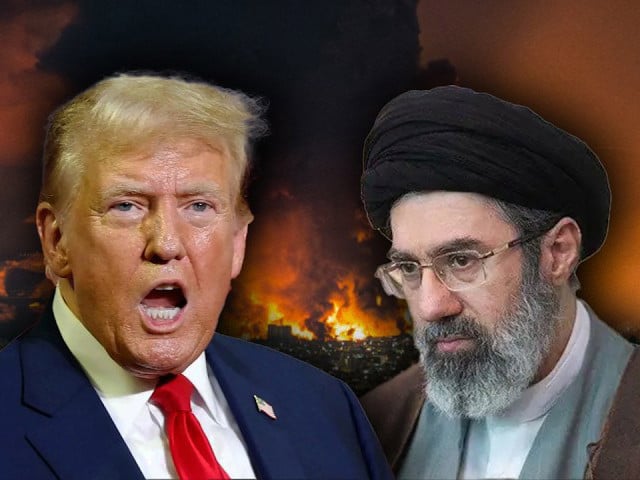
Now, following President Donald Trump’s announcement on Monday that the two nations are negotiating an end to the conflict, the United States is attempting to revive talks. Yet, sources indicate that serious obstacles remain, despite White House optimism.
Gulf and European partners are watching closely, expressing concern over the slow progress toward either a ceasefire or a broader peace arrangement, multiple sources told CNN. While efforts are ongoing to organize a face-to-face meeting, officials say a session is unlikely in the near term due to the stark contrast between the US and Iranian demands.
The threat of continued US and Israeli military action hangs over potential negotiations, while Tehran believes it now holds a strategic advantage through near-total control over the Strait of Hormuz.
“One of the first steps is agreeing on the fundamentals before any formal talks can happen,” a regional source told CNN, adding that Iran has rejected what it considers “maximalist” US proposals.
Earlier this week, the US transmitted a 15-point list of demands to Iran via Pakistan. These largely mirror pre-war positions, including commitments to forgo nuclear weapons, surrender highly enriched uranium to the US, limit defensive capabilities, and cease support for regional proxies.
“If that’s the US approach, there’s no realistic scenario for successful negotiations,” said Nate Swanson, a former National Security Council director for Iran.
Israel, another key party in the conflict, is reportedly wary of a short-term US ceasefire intended to facilitate talks, expressing doubts about the possibility of a meaningful breakthrough. While some elements of the US framework—especially those targeting Iran’s nuclear program and proxy activities—are seen as beneficial by Israeli officials, concerns persist over ballistic missile programs and regional influence that may remain unaddressed.
Swanson noted that Iran likely views Trump’s stance as unchanged—offering either capitulation or escalation—and is responding with equally ambitious and unlikely demands.
Iran, for its part, outlined its conditions this week via state media. Press TV reported that Tehran is seeking a full stop to “aggression and assassinations,” legal assurances that war will not resume, guaranteed compensation for damages, cessation of military operations by all Iranian proxies, and recognition of Iranian sovereignty over the Strait of Hormuz.
Control over the strait has amplified Tehran’s leverage, driving fuel prices higher and unsettling global markets. Sources say intermediaries and the Trump administration are struggling to define what a viable agreement could look like.
Some Gulf allies favor an immediate cessation of hostilities, while others advocate for a comprehensive agreement. In a recent Wall Street Journal op-ed, UAE Ambassador to the US Yousef Al Otaiba emphasized that a simple ceasefire is insufficient, urging a deal that addresses Iran’s nuclear capabilities, missiles, proxies, and naval blockades.
“The Strait of Hormuz is a tool Iran has in a way we haven’t seen before,” Swanson added, likening the country’s control to a “tollbooth operator” for shipping lanes.
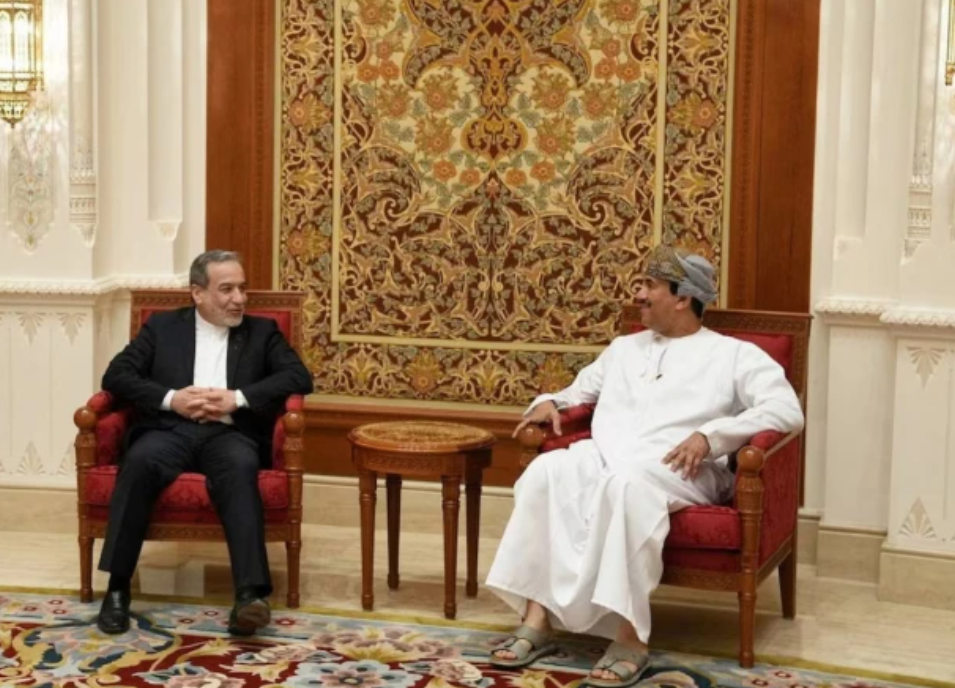
Iranian officials continue to deny formal negotiations with the US, although Foreign Minister Abbas Araghchi confirmed exchanges through mediators. “This is not dialogue—it’s a messaging process,” he said, adding that ideas relayed through intermediaries are considered by top authorities, who announce positions as needed.
White House Press Secretary Karoline Leavitt maintained that discussions are ongoing and productive. Senior Trump administration officials are reportedly planning a potential meeting in Pakistan this weekend, with Vice President JD Vance possibly leading, alongside other top officials. Tehran has indicated a preference for negotiating with Vance rather than Witkoff and Kushner. Turkey is also being considered as a potential venue, amid security concerns.
Gulf allies are cautioning against any escalation, warning that a US occupation of strategic sites like Kharg Island could trigger significant casualties and provoke Iranian retaliation, further prolonging the conflict.
Nonetheless, the possibility of expanded US military action looms. Sources report that roughly 1,000 soldiers from the 82nd Airborne Division are preparing to deploy to the region, reinforcing US capabilities even as diplomatic efforts continue.
Leavitt underscored the stakes on Wednesday: if Iran “fails to accept the reality of the current moment,” Trump is “prepared to unleash hell.”
Comments
No comments yet. Be the first to join the discussion!