Rights body urges clarity on status of 12 AJK refugee seats
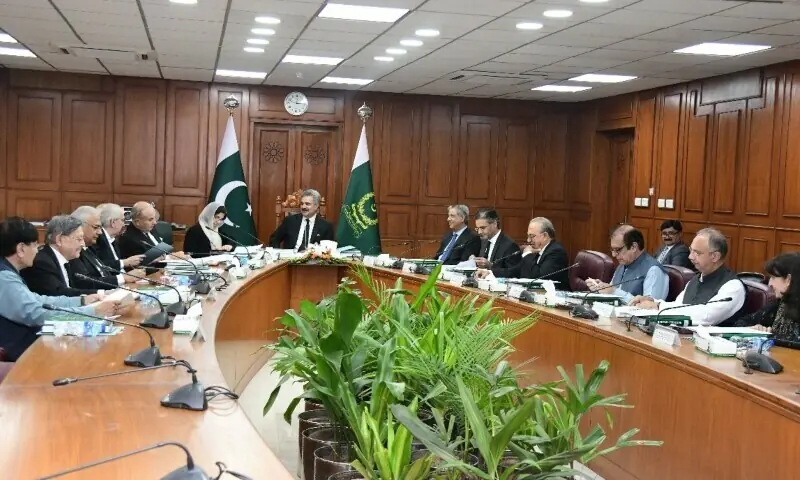
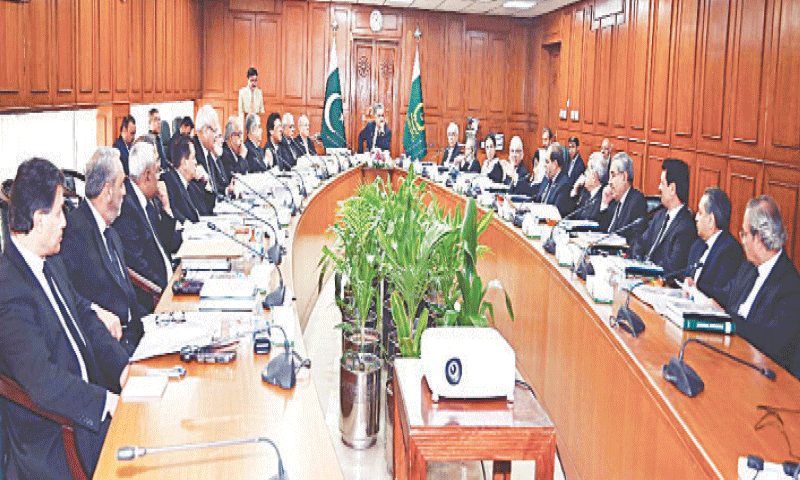
The Jammu and Kashmir Council for Human Rights has asked a federal committee to clarify that no final decision has been taken on the 12 AJK refugee seats. It also raised concerns over the committee’s composition and the exclusion of refugee constituencies.

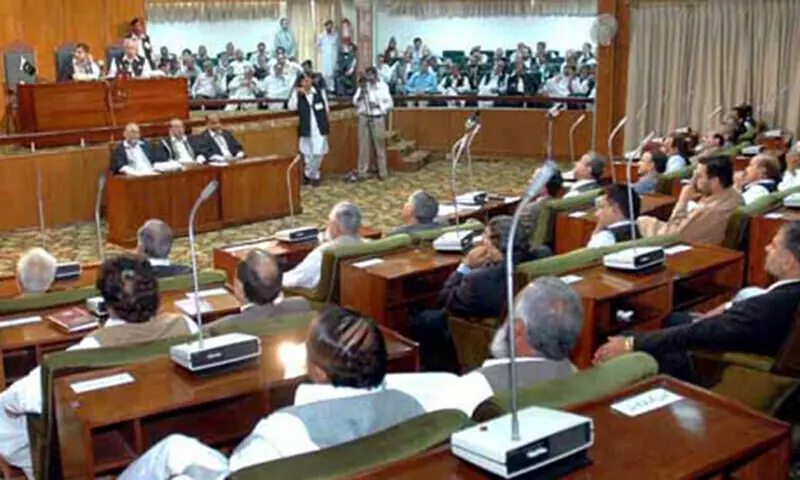
MUZAFFARABAD: The Jammu and Kashmir Council for Human Rights (JKCHR) has asked a federal government-constituted high-powered committee to make it clear that no final decision has been taken on the status of the 12 refugee seats in the Azad Jammu and Kashmir (AJK) Legislative Assembly.
In a detailed communication to the committee’s chairman, JKCHR President Dr Syed Nazir Gilani raised what he described as serious constitutional, procedural and representational concerns over what the organisation called public misreading of Item 2(xii) of the agreement reached with the Joint Awami Action Committee (JAAC). The committee was constituted under a Jan 6, 2026 notification issued by the Ministry of Kashmir Affairs, Gilgit-Baltistan and SAFRON.
The JKCHR said some JAAC representatives and supporters had been publicly asserting through media statements and public platforms that a decision had already been made to abolish the 12 refugee seats. The organisation said that claim had no legal basis and was not supported by the text of the agreement.
Referring to the relevant clause, the rights body said it only provided that "a high-powered committee comprising legal and constitutional experts will deliberate on the issue of the members of AJK Assembly other than AJK constituencies" and did not amount to a constitutional amendment, executive determination, repeal provision or binding settlement.
The organisation said presenting a predetermined outcome before the committee had even begun deliberations would compromise the neutrality, procedural fairness and institutional credibility of the process.
Concerns over committee structure
The JKCHR also pointed to what it called constitutional and procedural ambiguities in Item 2(xii). It said that while the opening sentence referred to legal and constitutional experts, the operative part later limited representation to legal experts from the JAAC and from the governments of Pakistan and AJK.
According to the letter, the matter extends beyond a narrow legal question and involves issues of representational legitimacy, the Interim Constitution, state subject identity and international commitments linked to the Kashmir dispute, including the UNCIP framework.
The council further objected to the lack of any mechanism for participation by refugee constituencies themselves. It said the committee structure recognised only the governments of Pakistan and AJK and the JAAC, while leaving out refugee representatives, displaced communities, bar associations and civil society groups representing affected populations.
The organisation argued that no constitutionally sustainable recommendation affecting refugee representation could emerge without structured participation by refugee constituencies and their elected representatives.
Request for formal clarification
Describing the refugee seats as symbolic of the continuity of the former princely state of Jammu and Kashmir and of recognition for displaced populations, the JKCHR said any change to the framework would carry implications beyond internal administrative arrangements.
The council called on the committee to formally state that no final decision has yet been made on the refugee seats, to discourage what it termed public misinformation, to ensure participation of refugee constituencies in the deliberations, and to include constitutional experts in the process.
In a separate letter to AJK Chief Secretary Khushal Khan, Dr Gilani requested that the JKCHR representation be officially circulated among the committee chairman, all committee members, the senior minister for law and justice, and other relevant authorities linked to the deliberative process.
Established in 1984, the JKCHR is a UK-based non-governmental organisation that has held special consultative status with the UN Economic and Social Council since 2001.
Comments
No comments yet. Be the first to join the discussion!