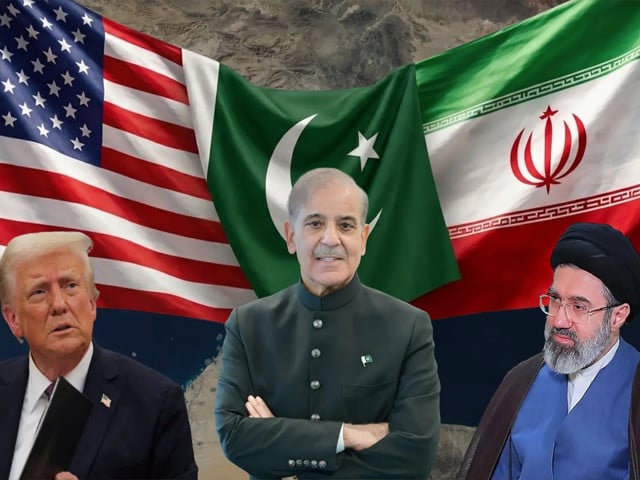
Pakistan urges global ‘debt relief’ for developing nations amid US-Iran conflict
Pakistan’s UN envoy says the US-Iran conflict has disrupted energy supplies, pushing oil prices higher and worsening inflation, fuel shortages and austerity. He calls for rapid external financing and debt relief for affected developing countries.

Islamabad envoy at UN says energy disruptions have driven global oil prices higher since February
Cites fuel shortages, inflation and austerity measures amid import dependence, calling for rapid access to external financing and emergency support mechanisms
Ambassador urges diplomacy and dialogue to end conflict and stabilise global economy
ISLAMABAD: Pakistan’s Ambassador to the United Nations on Sunday warned that the ongoing US-Iran conflict and resulting disruptions in global energy supplies have intensified inflationary pressures on millions in developing countries, urging the international community to ensure timely external financing and debt relief for the most affected economies.
Rising tensions stemming from the US-Iran war have pushed global oil prices upward and disrupted energy flows to several countries since February. Pakistan, which relies heavily on fuel imports from the Middle East to meet its energy needs, has been compelled to adopt austerity measures, including early market closures and targeted fuel subsidies for transporters and motorcycle users nationwide.
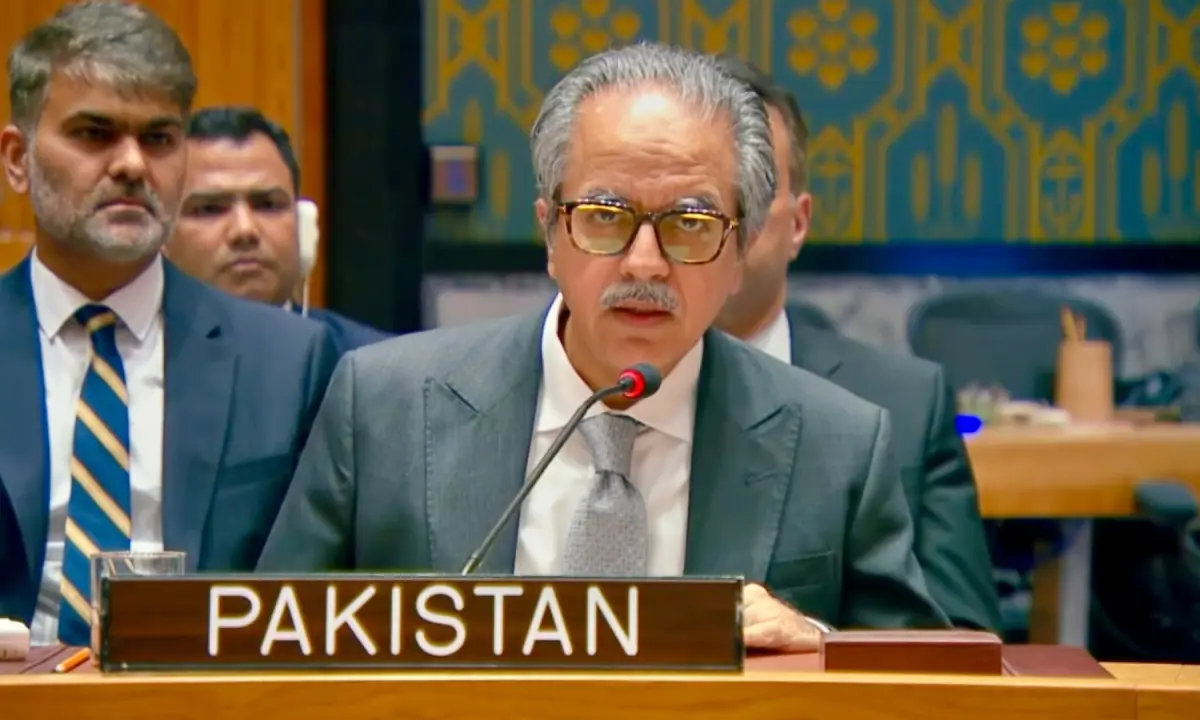
Pakistan’s Permanent Representative to the UN, Ambassador Asim Iftikhar Ahmad, made the remarks while addressing a special session of the United Nations Economic and Social Council (ECOSOC) on safeguarding global energy and supply chains.
“And it is here that ECOSOC may exercise its charter mandate and actively engage international financial institutions and other relevant organisations to ensure a scaled-up, coordinated global response to address the needs of the most affected developing countries,” he said.
“This could include ensuring rapid access to external financing for essential imports, including through crisis response windows and emergency financing facilities, as well as debt relief,” he added.
The ambassador said Pakistan was among the countries most severely affected by the US-Iran conflict, noting that the crisis had triggered abrupt fuel shortages, sharp price increases and widespread inflationary pressure on households across the country.
He said Pakistan’s investment in and expansion of the solar energy sector had helped cushion the impact of the energy shock “to some extent.”
“But the impacts extend well beyond energy,” he added. “Fertiliser prices have spiked, threatening food security, while remittance inflows are also declining.”
The Pakistani envoy called for urgent global efforts to de-escalate the conflict through peaceful means and diplomatic engagement.
“Restraint, diplomacy and dialogue must prevail,” Ambassador Ahmad said.
He added that Pakistan had actively engaged in such efforts and remained committed to playing a constructive role in promoting dialogue and supporting initiatives aimed at achieving lasting peace.

Comments
No comments yet. Be the first to join the discussion!