Petroleum levy surges 45% to Rs1.2tr
Pakistan’s petroleum levy collection rose 45% to Rs1.205 trillion in July-March, nearly matching last year’s full-year total. The increase, lower interest costs and record provincial surpluses have strengthened the fiscal position ahead of IMF talks.


ISLAMABAD: The federal government’s petroleum levy collection climbed sharply during the first nine months of the current fiscal year, reaching Rs1.205 trillion, according to fiscal operations details released by the finance ministry on Tuesday.
The collection was Rs371 billion higher than the same period of the previous fiscal year, marking an increase of 45%. The amount is also only Rs15 billion short of the total petroleum levy collected in the entire last fiscal year.
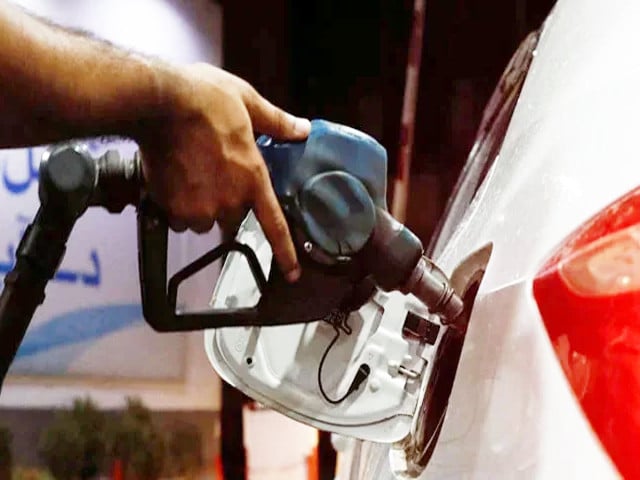
A petrol consumer is now paying Rs117.5 per litre in levy. The higher levy collection, along with a steep decline in interest payments and record provincial cash surpluses, has improved Pakistan’s fiscal position ahead of talks with the International Monetary Fund.
The IMF’s budget mission is scheduled to begin discussions on Wednesday. Government sources said the scope of the mission will extend beyond budget matters. The mission is expected to review progress on legal changes aimed at reducing the state’s role in the public sector and liberalising the sugar sector.
It will also set revenue and expenditure targets for the next fiscal year and examine progress on legislative amendments. According to government sources, a meeting is also planned to discuss the future of commercial banks after interest-based lending ends in 2028 under a constitutional requirement.
Fiscal indicators improve
The IMF’s latest public disclosure indicates that Pakistan’s fiscal performance may surpass the targets set before the war began in June last year. The report suggests the country’s finances have not been significantly affected by the Middle East conflict, as the government recovered both international oil prices and higher taxes on petroleum products.
The government had set an overall budget deficit target of 3.9% of GDP, or just over Rs5 trillion, in the last budget. The IMF report shows the deficit may remain at 3.2% of GDP, around Rs900 billion better than budget estimates.
The IMF report also shows that the primary budget surplus — net revenues after interest payments — may remain at 2.5% of GDP this fiscal year, about Rs50 billion better than the fund’s target. However, government officials said the 2.5% figure is an unadjusted primary surplus projection.
Finance ministry data for July-March showed the overall budget deficit stood at Rs856 billion, or 0.7% of GDP. During the same period, interest expenses fell to Rs4.95 trillion, down by Rs1.5 trillion or 23%, while total federal expenses declined by Rs897 billion, or 8%.
The four provincial governments posted a combined cash surplus of Rs1.63 trillion in the nine-month period, which was Rs583 billion, or 55%, higher than last fiscal year. Punjab alone accounted for Rs824 billion, or about half of the total provincial surplus.
On the back of the higher provincial surplus and increased petroleum levy collection, the primary budget surplus stood at Rs4.1 trillion, or 3.2% of GDP.
IMF mission agenda
Government sources said the IMF mission will also review implementation of a condition requiring the authorities to quantify the cost of subsidies on foreign remittances. Pakistan has assured the IMF that it is preparing a comprehensive assessment of impediments to foreign remittances and their costs, with an action plan due by the end of this month.
Under that assurance, after the action plan is prepared, the State Bank of Pakistan and the finance ministry will agree on a mechanism to ensure claims under remittance subsidy schemes do not exceed budget allocations in any fiscal year.
According to the sources, the IMF will also receive an update on the government’s financial sector strategy after the constitutional amendment ending the interest-based system becomes effective in 2028. A high-level interagency committee led by the finance ministry is finalising the post-2027 financial sector strategy, and the deadline for submitting it to the IMF for review is June this year.
The mission is also expected to review implementation of the circular debt reduction plan and ensure that power subsidies do not exceed Rs890 billion in the next budget unless the IMF agrees to raise the cap. Sources added that the lender will seek an update on any further electricity price increases linked to the Middle East conflict-induced price shock.
The IMF may also approve a gas sector circular debt plan and review proposed gas price increases from July, according to the sources. Progress on withdrawing general electricity subsidies and shifting to targeted subsidies through the Benazir Income Support Programme will also be shared with the IMF.
Government sources further said discussions will be held with the provinces to ensure they generate Rs1.64 trillion in cash surpluses in the next fiscal year and deliver nearly Rs1.78 trillion in tax collection.
Discussions on the 28th constitutional amendment have resumed, including possible changes to articles dealing with resource sharing between the centre and the four provinces.
In addition, the government has submitted a new sugar sector policy aimed at opening the sector to local and foreign competition.
Comments
No comments yet. Be the first to join the discussion!