Petroleum Division proposes Rs1tr levy cap in budget recommendations
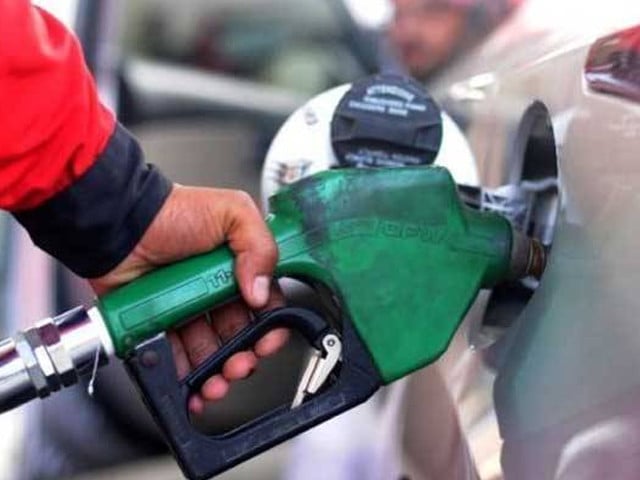
The Petroleum Division has proposed cutting the petroleum levy target to Rs1 trillion and reducing the levy on petrol and diesel to Rs50 per litre in the next budget. It has also sought tax relief, gas subsidies and budgetary support for unresolved oil and gas sector issues.

ISLAMABAD: The Petroleum Division has proposed lowering the petroleum levy collection target to Rs1 trillion in its budget recommendations for 2026-27, while also seeking a reduction in the levy rate on petrol and diesel to Rs50 per litre as long as international oil prices remain elevated.
The proposals have been submitted to the finance ministry ahead of the federal budget, which the government plans to present on June 5. Discussions have also taken place at the Prime Minister’s Office on how to address the current situation, in which consumers are facing the combined impact of higher fuel prices and increased taxation.
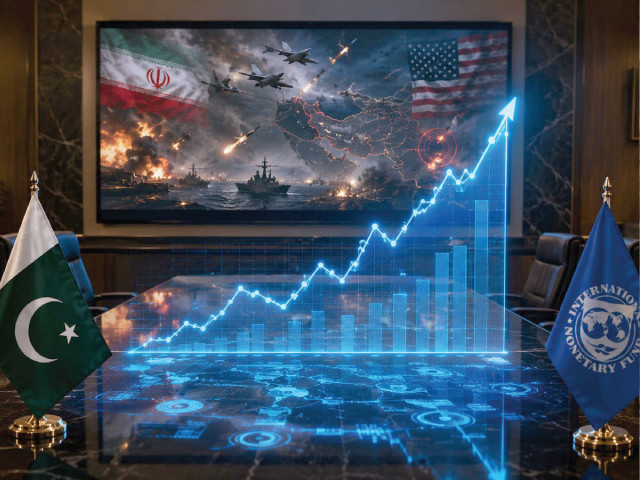
Petroleum Minister Ali Pervaiz Malik recently wrote to Finance Minister Muhammad Aurangzeb and said that, in view of the US-Iran conflict and its effect on global energy prices, it had become necessary to reduce dependence on petroleum levies in order to shield vulnerable segments of society.
The division’s recommendation would place next year’s levy target Rs727 billion below the International Monetary Fund’s projection and Rs468 billion lower than the original target for the current fiscal year. As an alternative to the existing framework agreed with the IMF, the division has suggested cutting the levy on petrol and diesel by Rs30 per litre to Rs50 per litre. The government is currently charging Rs118 per litre in levy on petrol.
The Petroleum Division has further proposed that the levy should only be raised above Rs50 per litre if global oil prices fall below $60 per barrel. It has argued that reducing both the target and the rate is necessary to ease pressure on the public and support economic stability.
After the war began, Pakistan raised diesel prices by 48% and petrol prices by nearly 56% to reflect global prices and collect higher taxes on fuel. Talks with the IMF on the next year’s budget have also concluded.
Fuel taxation and revenue concerns
The petroleum levy has remained a preferred revenue tool for the Pakistan Muslim League-Nawaz government. Official data cited in the report shows that annual petroleum levy collection targets have been surpassed every year since the Pakistan Democratic Movement government took office in 2022. Estimated levy collection from July 2022 to June this year stands at Rs4.3 trillion.
By contrast, levy collection remained below budget targets during the final two years of the Pakistan Tehreek-e-Insaf government. The government has relied on the levy to compensate for revenue shortfalls by the Federal Board of Revenue, while also facing pressure to rationalise taxes on fuel, which is consumed across income groups.
Taxes account for almost 36% of the retail price of petrol, while the government charges 18% sales tax on jet fuel. The Petroleum Division has also asked the finance ministry to reduce sales tax on LPG from 18% to 10% in the next budget, saying the fuel is widely used by poorer households. It has also recommended that the petroleum levy collection target on LPG should not be increased.
Sector proposals and subsidy demands
In its recommendations, the Petroleum Division also urged the finance ministry to address Pakistan State Oil’s legacy issues through budgetary allocations and to end cross-subsidies on gas prices. It has also sent proposals on broader oil and gas sector issues, saying these should be resolved in the upcoming budget.
Oil and gas companies have raised concerns over what they describe as an excessive tax burden, unjustified tax demands and the withholding of refunds to boost tax revenues. The division said the sustainability of the energy supply chain and the financial health of the sector required that companies in the oil, gas and mineral sectors should not be subjected to additional taxes that undermine their viability.
It has asked the FBR to release Rs55 billion in pending tax refunds to Sui Northern Gas Pipelines Limited, saying the delay is affecting the company’s ability to clear its dues. The Sui companies are also facing Rs182 billion in tax demands from the FBR related to the swapping of imported gas used in the Sui Southern Gas Company Limited system with local gas. The division has asked for an amendment to the sales tax law in the budget to resolve that issue.
The Petroleum Division has also said the finance ministry has not budgeted for gas subsidies, which has distorted prices because the burden is being passed on to residential consumers. It has proposed setting aside Rs130 billion in the next fiscal year for gas subsidies instead of shifting the cost to households and other consumers.
In addition, it has asked the ministry to fully provide for the cost of loans taken by PSO to import petroleum products. PSO has incurred major exchange rate losses on foreign borrowing for imports and has sought a budget allocation to clear Rs61 billion in arrears. The division has also recommended abolishing the 10% super tax on oil and gas sector companies, saying it has affected their profitability.
Comments
No comments yet. Be the first to join the discussion!