UN warns fertiliser blockade in Hormuz could push 45 million more into hunger
A UN official has warned that disruption of fertiliser shipments through the Strait of Hormuz could push 45 million more people into hunger and starvation. The UN says a mechanism to move supplies could be launched within seven days if political backing is secured.


PARIS: Tens of millions of people could face hunger and starvation if fertilisers are not allowed to move soon through the Strait of Hormuz, the head of a United Nations task force set up to avert a humanitarian emergency said on Monday.
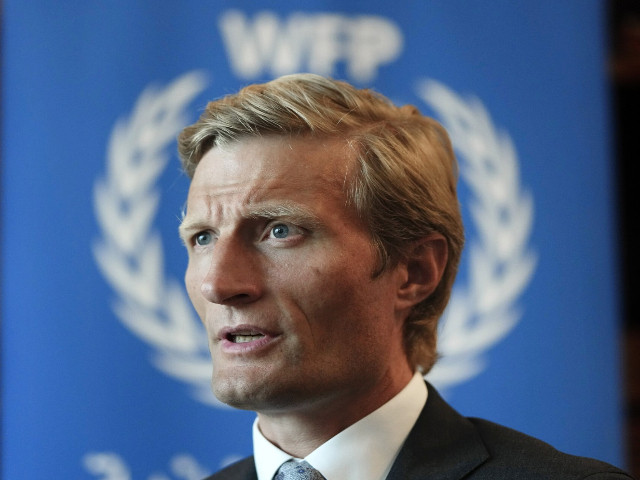
Jorge Moreira da Silva, executive director of the United Nations Office for Project Services (UNOPS) and leader of the task force, said the world had only a short window to prevent a major crisis linked to the disruption of fertiliser shipments through the strategic waterway.
“We have a few weeks ahead of us to prevent what will likely be a massive humanitarian crisis,” Moreira da Silva said in an interview in Paris. “We may witness a crisis that will force 45 million more people into hunger and starvation.”
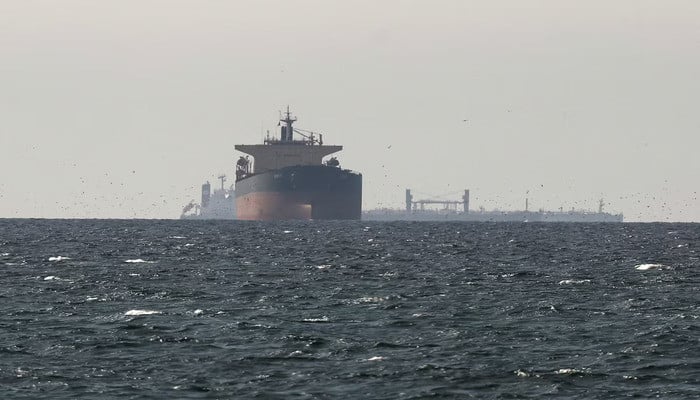
According to the UN official, Iran has kept the strait under severe restriction for months in retaliation for the war launched by the United States and Israel on Feb 28. The disruption has affected a trade route through which about one-third of the world’s fertilisers normally pass, creating risks for farmers worldwide as planting seasons near their end.
The UN secretary general established the task force in March to develop a mechanism that would allow fertilisers and related raw materials, including ammonia, sulphur and urea, to pass through the strait.
Moreira da Silva said he had spent weeks trying to persuade the parties involved in the conflict to permit at least a limited number of ships to cross. He added that he had met with “more than 100 countries” to build support among UN member states for the proposed mechanism.
He said backing for the plan was increasing, but added that the United States and Iran, along with Gulf countries that are major fertiliser producers, were still not fully supportive.
Planting seasons under pressure
Moreira da Silva said the longer-term objective remained a “lasting peace” agreement in the region and “freedom of navigation for all commodities” through the strait. But he warned that agricultural timelines were more immediate.
He said some planting seasons in African countries would end within weeks, underscoring the urgency of restoring fertiliser flows.
While much of the international attention has centred on the economic fallout from constrained oil and gas shipments, the United Nations has also been warning about the implications for global food security. Countries in Africa and Asia are expected to be especially vulnerable to the disruption.
UN says mechanism could be launched quickly
Moreira da Silva said the United Nations could make the proposed mechanism operational within seven days. However, he cautioned that even if the strait reopened immediately, normal conditions would still take three to four months to return.
“It’s just a matter of time. If we don’t stop the origin of the crisis soon, we will have to deal with the consequences through humanitarian aid.”
He said food prices had not yet surged sharply, but fertiliser prices had already seen a “massive increase”. Experts, he said, believe that higher fertiliser costs would likely reduce agricultural productivity and eventually drive food prices much higher.
According to Moreira da Silva, allowing an average of five vessels a day carrying fertilisers and related raw materials through the strait would be enough to help avert the crisis for farmers.
“We can’t procrastinate on what is possible to do, and what is urgent to do — which is let the fertilisers cross the strait and, through that, minimize the risk of massive food insecurity at the global level.”
He said the main obstacle at this stage was “the political will”.
Comments
No comments yet. Be the first to join the discussion!