March 19, 2026
Strait of Hormuz blockage drives up food prices across Gulf states
The blockade of the Strait of Hormuz amid the US-Israeli conflict with Iran is driving up food prices across Gulf states, with meat prices nearly doubling in Bahrain.

March 19, 2026
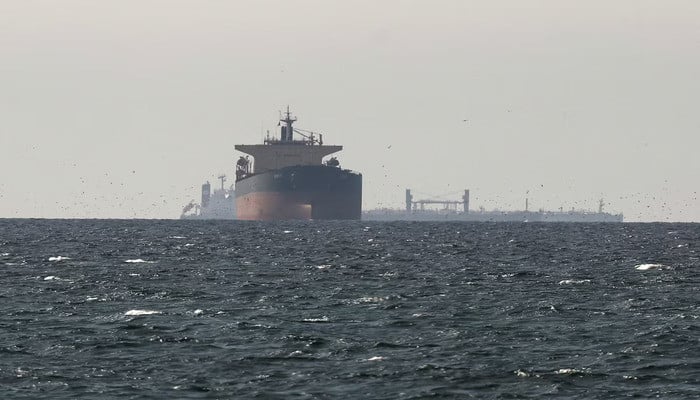
MANAMA: The blockade of the Strait of Hormuz, triggered by the ongoing conflict in the Middle East, is pushing up food prices across the Gulf region, with consumers in countries heavily dependent on imports beginning to feel the impact at grocery checkouts.
In Bahrain, shoppers have noted a marked rise in the cost of essential food items despite supermarket shelves remaining stocked for now. Mahmoud Ali, a father of four, described the situation while shopping at a supermarket in the kingdom.
"There's no shortage," but over the past few days "there has been a noticeable increase in the price of certain food products."
Ali added that the price of meat in particular has almost doubled in recent days.
Gulf states' heavy reliance on imports
Bahrain, like most of its neighbours in the arid Gulf region, depends heavily on imports — particularly for its food supply. The small monarchy sources a significant portion of its daily necessities from abroad, making it especially vulnerable to disruptions in key shipping lanes.
The war, which was triggered on February 28 by Israeli-US strikes against Iran, has severely disrupted the transport of goods through the strategically vital Strait of Hormuz, which is now effectively closed. The strait serves as a critical chokepoint for maritime trade flowing into and out of the Gulf, and its closure has had immediate consequences for the movement of commercial shipping, including vessels carrying food and other essential supplies.
Disruption to major ports
The blockage has affected most major ports in the region, compounding challenges for Gulf nations that rely on uninterrupted maritime trade routes to sustain their populations. The disruption has raised concerns about the longer-term implications for food security and the cost of living across the Gulf, where import dependency is a structural feature of most economies.
The conflict between the US-Israeli alliance and Iran has also had wider humanitarian consequences across the Middle East. Images from Beirut, Lebanon, have shown schools being converted into shelters following an escalation between Hezbollah and Israel amid the broader US-Israeli conflict with Iran.
The Strait of Hormuz, located between Iran and Oman's Musandam governorate, is one of the world's most important maritime passages. Its effective closure has sent ripples through global energy and commodity markets, though for residents of the Gulf, the most immediate concern remains the rising cost of daily essentials.
As the conflict continues, Gulf states face the challenge of securing alternative supply routes and managing the economic fallout from the disruption to one of the world's busiest and most strategically significant waterways.
0 Comments
No comments yet. Be the first to join the discussion!