Key facts about the Strait of Hormuz blockage amid Iran war
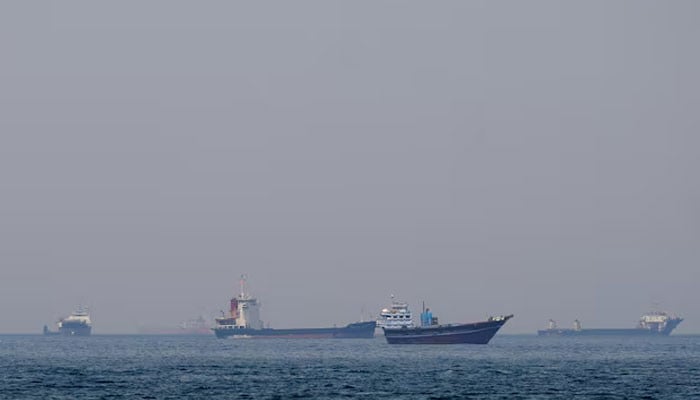
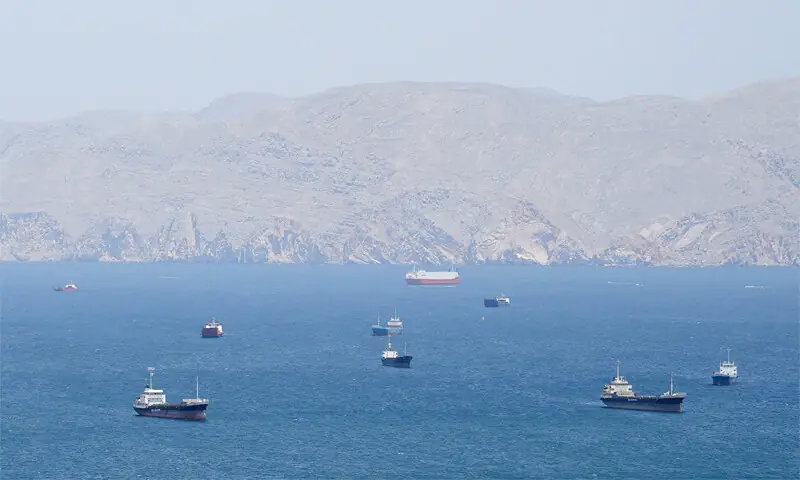
The Strait of Hormuz, which handles a fifth of global crude oil and LNG, has been virtually paralysed amid the US-Israel-Iran war, with 21 vessels attacked and eight sea workers killed since March 2026.


LONDON: The Strait of Hormuz, one of the world's most critical shipping routes, has been virtually paralysed amid the ongoing Middle East war, disrupting the flow of roughly a fifth of global crude oil and liquefied natural gas that passes through the waterway during peacetime.
The conflict erupted on February 28 when the United States and Israel launched bombing operations against Iran. In retaliation, Iran struck back across the region and moved to restrict access to the strait, severely hampering international maritime trade.
21 security incidents since March
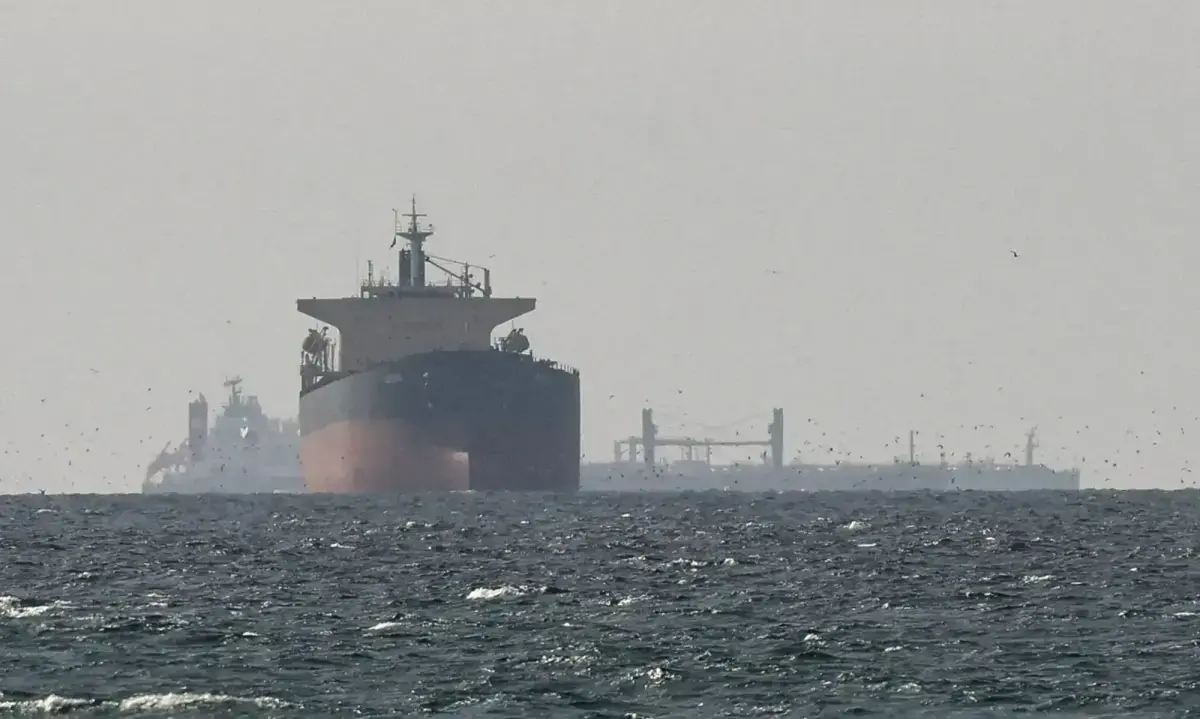
Since March 1, 2026, a total of 21 commercial vessels — including 10 tankers — have been attacked or have reported security incidents in the Gulf, the Strait of Hormuz, or the Gulf of Oman, according to the British naval maritime security agency UKMTO.
In addition to the 21 confirmed incidents across all types of vessels, four more attacks have been claimed by the Iranian Revolutionary Guards. However, these four attacks have not been confirmed by international authorities.
Eight sea workers killed
The maritime violence has also taken a human toll. At least eight seafarers or dock workers have died in incidents in the region since the conflict began, according to the International Maritime Organisation (IMO).
The Strait of Hormuz serves as a narrow but vital chokepoint connecting the Persian Gulf to the Gulf of Oman and the broader Arabian Sea. Its blockage has raised significant concerns over global energy supplies, given the massive volume of oil and gas that transits through it under normal circumstances.
The escalation of hostilities and the restriction of maritime access through the strait have sent shockwaves through global energy markets, as the waterway remains one of the most strategically important passages for international trade in hydrocarbons.
The situation continues to evolve as international maritime agencies closely monitor the security landscape in the region. The UKMTO and the IMO have been tracking incidents and casualties as the conflict shows no signs of abating, with commercial shipping facing unprecedented risks in one of the world's busiest maritime corridors.
Comments
No comments yet. Be the first to join the discussion!