Pakistan central to Iran-US talks, says Vali Nasr
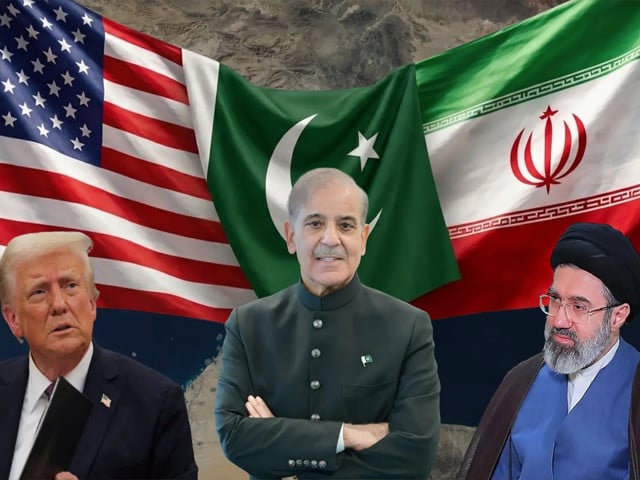
Vali Nasr says Pakistan has played a key role in facilitating Iran-US talks and helping prevent further escalation. He described the latest 21-hour negotiations as the most substantial direct engagement between Washington and Tehran.

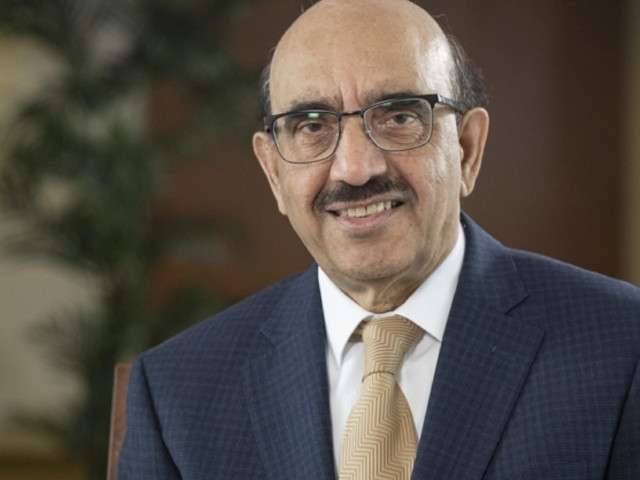
ISLAMABAD: Iranian-American academic and political scientist Vali Nasr has said the current confrontation involving Iran and the United States is being shaped less by military might and more by the ability of each side to absorb pressure, while describing Pakistan as a pivotal player in efforts to keep diplomacy alive.
Speaking on Express24/7’s programme Full Frame with senior anchorperson Fahd Husain, Nasr said the crisis was being driven by timing as much as by power. "This is not about who has bigger bombs, it is about who has more endurance and pain tolerance," he said.
Nasr said Pakistan had assumed an important role at a time when the Middle East remained close to further escalation even as diplomatic efforts moved forward. He said Islamabad had helped maintain communication, foster confidence with Tehran and coordinate with regional countries, adding that this had elevated Pakistan’s diplomatic profile.
According to Nasr, Pakistan’s position has been especially significant in sustaining the process. The Pakistanis played a very important role in keeping it going, there is no other game in town other than Islamabad," he said while adding that Pakistan’s advantage stemmed from its neutrality.
Islamabad talks and diplomatic momentum
Nasr described the Islamabad Talks as an exceptional development in Pakistan’s recent history. He said such a level of influence for Pakistan would have been difficult to imagine only a few years ago.
Referring to the latest negotiations, Nasr said the 21-hour talks represented the most meaningful direct contact between Washington and Tehran so far.
Ground situation remains fragile
Despite the diplomatic movement, Nasr said the situation remained delicate. The ceasefire window was limited and military pressure was continuing to intensify, while Donald Trump had ordered a blockade of the Strait of Hormuz.
Nasr, however, said the move involving the strategic waterway should not necessarily be seen only as an escalation. He suggested it could also be interpreted as leverage. The Strait of Hormuz, is responsible for 20% of global oil flow.
Nasr is Professor of International Affairs and Middle East Studies at the Johns Hopkins School of Advanced International Studies in Washington.
The full interview is scheduled to be broadcast again on Wednesday at 9am, 12pm, 3pm and 6pm on Express24/7.
Comments
No comments yet. Be the first to join the discussion!