April 7, 2026
Pakistan’s mediation efforts continue as US-Iran tensions reach critical stage
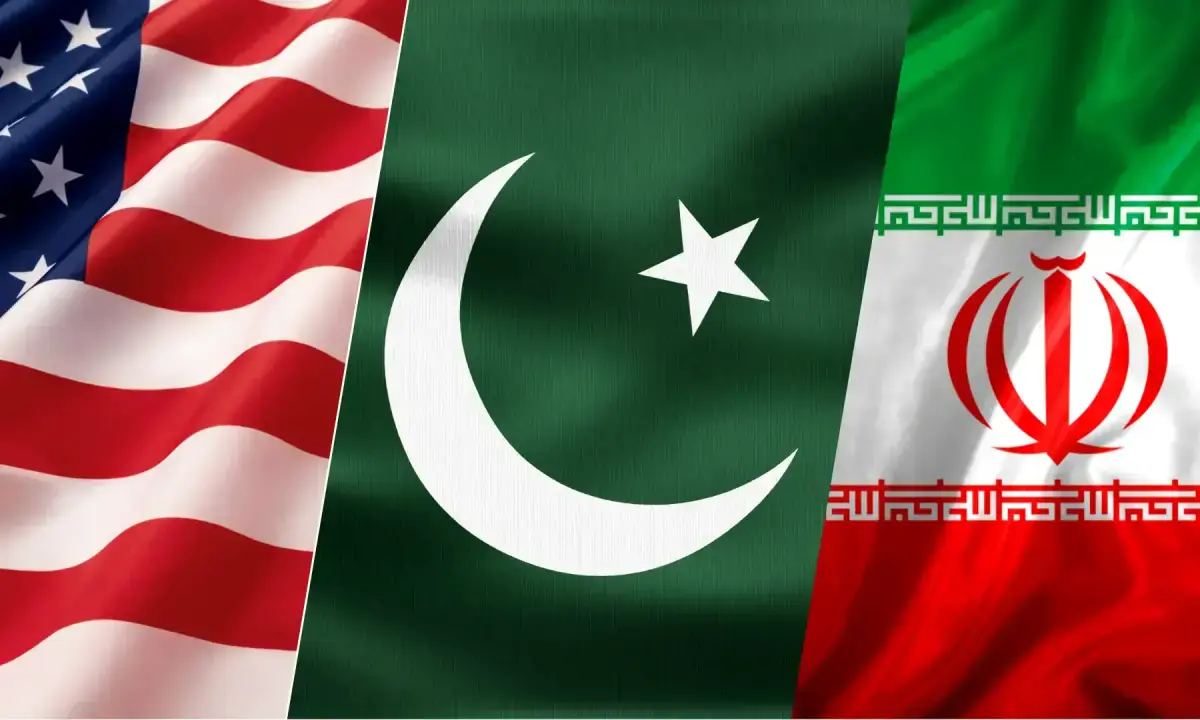
Pakistan says US-Iran negotiations are at a critical stage as Iran strikes Saudi facilities and Trump’s Strait of Hormuz deadline approaches. Iran rejects a temporary ceasefire, demanding lasting terms.

Efforts to facilitate talks between US and Iran ongoing, Pakistani sources say
Say Tehran’s strikes on Saudi facilities threaten to derail talks, warning any Saudi retaliation could end negotiations
Pakistan’s facilitation of US-Iran talks to end conflict approaching a critical, sensitive stage: Ambassador Moghadam
Trump’s Strait of Hormuz deadline hours away; 'hell' looms
Iran rejects a temporary ceasefire, calling for a permanent resolution
ISLAMABAD: Pakistan’s efforts to facilitate talks between the United States and Iran are entering a “critical, sensitive stage,” according to officials, as US strikes on Iran intensify and President Donald Trump’s looming deadline to unleash “hell” nears.
Two Pakistani sources with direct knowledge of the discussions told Reuters on Tuesday that negotiations are ongoing, but tensions in the region remain high.
A senior security official said Iran’s overnight strike on Saudi Arabia’s industrial facilities linked to US firms threatened to derail the talks, warning that any Saudi retaliation could end the negotiations and potentially draw Pakistan into the conflict under its defence pact with Riyadh.
Another source cautioned that Iran was “walking on thin ice” and that the next three to four hours are critical for the future of dialogue.
Pakistan at the centre of mediation
Islamabad has been the main intermediary in recent weeks, relaying proposals between Washington and Tehran. While there has been no breakthrough so far, the Pakistani security source said, “We are in touch with Iranians. They have lately shown flexibility that they could join the talks, but they are at the same time taking hard lines as a prerequisite for any negotiations.” Pakistan is urging Tehran to enter discussions without preconditions.
Iran’s foreign ministry spokesperson confirmed on Monday that messages were still being exchanged via mediators. A senior Iranian source told Reuters that Tehran had rejected a proposal for a temporary ceasefire, stating that talks on lasting peace could only begin after US and Israeli strikes cease, assurances are given that they will not resume, and compensation is provided for damages.
Pakistan’s mediation ‘approaching sensitive stage’
Iran’s ambassador to Islamabad, Reza Amiri Moghadam, said Pakistan’s facilitation of US-Iran talks to end the Middle East conflict is approaching a” critical, sensitive stage.”
Pakistan positive and productive endeavours in Good Will and Good Office to stop the war is approaching a critical, sensitive stage ...
Stay Tuned for more— Reza Amiri Moghadam (@IranAmbPak) April 7, 2026
Iran conveyed its position on ending the war through Pakistan after two weeks of high-level deliberations, rejecting a temporary ceasefire and calling for a permanent resolution. US President Donald Trump described Tehran’s response as a “significant step, though still falling short,” telling reporters: “It’s not good enough, but it’s a very significant step.”
Despite Tehran’s insistence on preconditions, Pakistani officials remain hopeful for a positive response before Trump’s deadline for a ceasefire in the Strait of Hormuz, set for 8pm ET (0000 GMT Wednesday). A senior government official, speaking on condition of anonymity, said, “The situation has gotten extremely complex and sensitive as the next few hours are very crucial. We still hope that we will get a positive response from Tehran.”
US threats, regional stakes
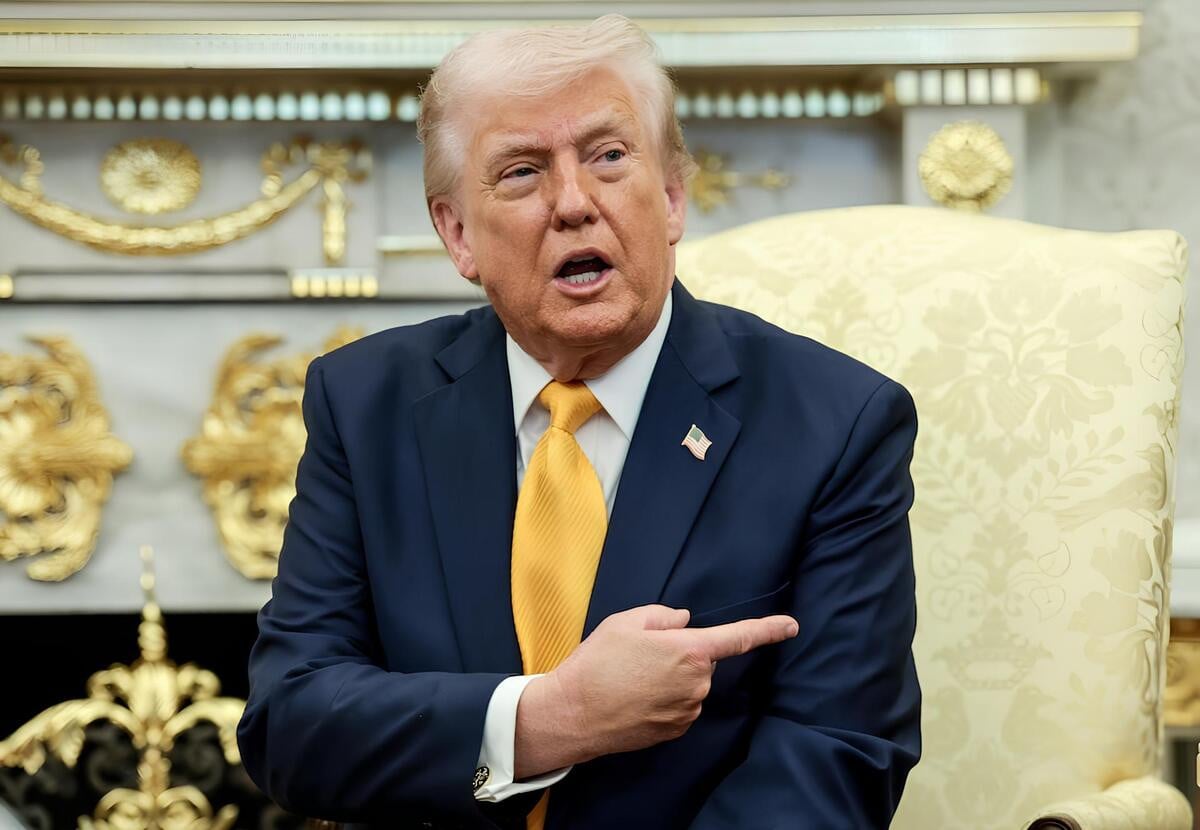
Trump on Tuesday warned that “a whole civilisation will die tonight” if an agreement is not reached within hours. Pakistan has positioned itself as a key mediator, leveraging its strong ties with both Washington and Tehran, as well as strategic partnerships with China and Saudi Arabia.
Islamabad’s proposal reportedly calls for an immediate ceasefire, reopening of the Strait of Hormuz within two to three weeks, and subsequent in-person talks in Islamabad to finalize a broader settlement.
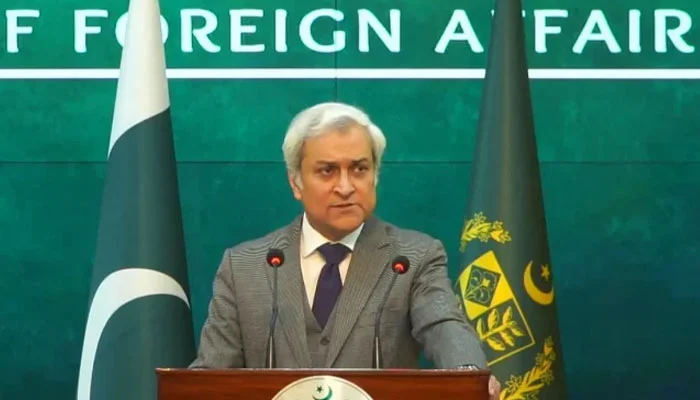
The Pakistani Foreign Office described the Iranian strikes on Saudi Arabia as a dangerous escalation, warning that “such unwarranted aggressions have serious repercussions and risk spoiling ongoing peaceful options.” The military also expressed concern after top commanders met with the army chief.
Pakistan is determined to avoid being drawn into the conflict, which could destabilize its western border with Iran. Analysts note that while the defence agreement may not trigger immediate military action, it could be activated if hostilities escalate further.
Adam Weinstein, an expert on Pakistan, Afghanistan, and US politics at the Quincy Institute, said Iran’s willingness to risk embarrassing Pakistan at a critical juncture “reveals just how committed Tehran is to a tit-for-tat strategy that punishes the Gulf for US and Israeli strikes.”
0 Comments
No comments yet. Be the first to join the discussion!