Pakistan leads push for 45-day Iran-US ceasefire as tensions near breaking point
Pakistan is part of a regional mediation effort to secure a possible 45-day Iran-US ceasefire, according to a report. The push is aimed at preventing a wider escalation, though chances of a near-term deal were described as slim.

Pakistan, along with regional mediators, is engaged in intensified diplomatic efforts to broker a potential 45-day ceasefire between Iran and the United States, according to a report by Axios citing multiple US, Israeli and regional sources. The proposed truce is being viewed as a possible first step towards negotiating a permanent end to the ongoing conflict.
However, officials familiar with the talks have cautioned that the likelihood of reaching even a limited agreement within the next 48 hours remains low. They described the current initiative as a critical opportunity to prevent further escalation, including large-scale strikes on Iranian civilian infrastructure and retaliatory attacks on energy and water facilities across Gulf states.
US President Donald Trump had earlier set a 10-day deadline for Iran, which was due to expire Monday evening. He later indicated that the timeline had been extended until Tuesday, warning that failure to reach an agreement could result in attacks on key infrastructure. “There is a good chance, but if they don’t make a deal, I am blowing up everything over there,” he said in remarks reported by the Wall Street Journal.
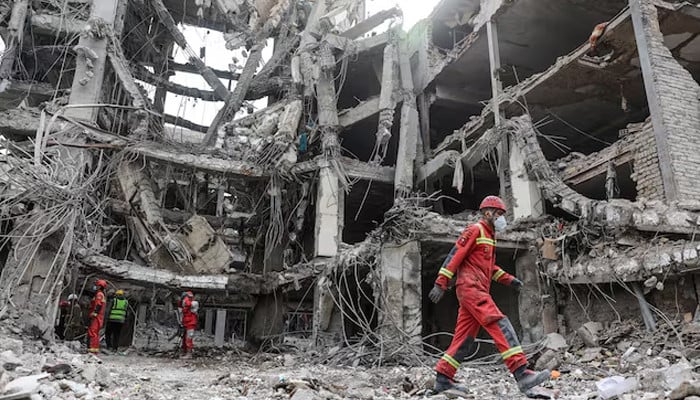
The conflict, now in its fifth week, began after joint US-Israeli strikes on Iran on February 28, targeting what they described as threats related to Iran’s nuclear programme, missile capabilities and regional alliances. In response, Tehran has taken steps including restricting passage through the Strait of Hormuz, a critical global energy route, and launching attacks on US military bases and other targets in the Gulf.
Operational plans for a large-scale US-Israeli campaign targeting Iran’s energy infrastructure are already in place. The extension of the US deadline is seen as an attempt to allow more time for negotiations.
Diplomatic engagement is taking place through intermediaries from Pakistan, Egypt and Turkey, as well as through indirect communication between US envoy Steve Witkoff and Iran’s Foreign Minister Abbas Araghchi. Pakistan has emerged as a key player in these efforts, reflecting its growing role in regional mediation.
Officials said the proposed framework under discussion involves a two-phase approach. The first phase would include a 45-day ceasefire during which negotiations for a long-term settlement would continue. The ceasefire could be extended if required to finalise an agreement.
The second phase would focus on reaching a comprehensive deal to end hostilities. Key issues under discussion include the reopening of the Strait of Hormuz and addressing concerns over Iran’s highly enriched uranium, either through its removal or dilution.
Mediators are also exploring interim confidence-building measures, such as partial easing of restrictions on Hormuz and limited steps on uranium, alongside assurances from Washington that any ceasefire arrangement would be sustained. Iranian officials have expressed reservations, citing past ceasefires in Gaza and Lebanon where hostilities resumed despite formal agreements.
At the same time, efforts are underway to address Tehran’s demands and build mutual trust. Officials involved in the process warned that any large-scale strikes on Iran’s energy infrastructure could trigger a broader regional response, particularly targeting oil and water facilities in Gulf countries.
Despite the diplomatic push, Iranian authorities have maintained a firm public stance, rejecting concessions. The Iranian Revolutionary Guards Corps Navy has also warned that conditions in the Strait of Hormuz would not return to pre-conflict norms, particularly for the United States and Israel.
The White House has declined to comment on the ongoing negotiations.
Comments
No comments yet. Be the first to join the discussion!