

March 19, 2026
US counterterrorism efforts under scrutiny following Joseph Kent's resignation
Former US counterterrorism chief Joseph Kent, a Green Beret and ex-CIA official, resigned in protest against the Iran war. His anti-war stance and past remarks are now under scrutiny.

March 19, 2026
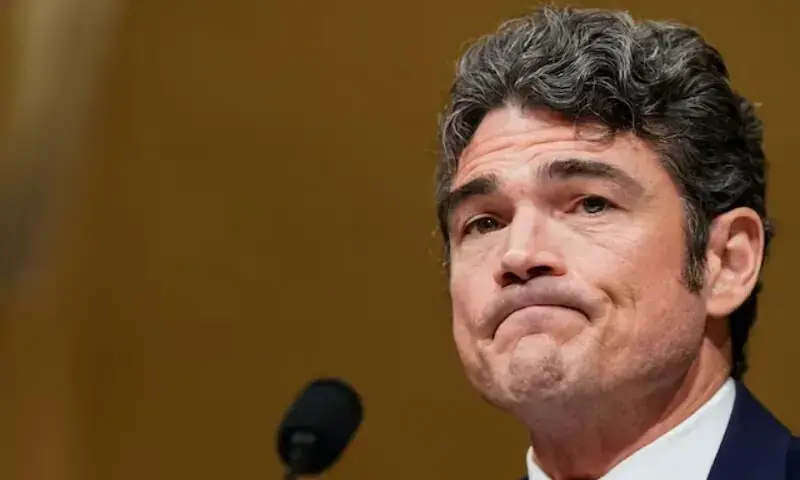
WASHINGTON: The former top US counterterrorism official who stepped down from his position in protest against the war with Iran has come under increased scrutiny over his anti-war stance and past anti-Semitic remarks, even as his resignation letter claiming Iran was not a threat failed to gain significant traction within the intelligence or political community.
Joseph Kent, who headed the National Counterterrorism Centre, was a Green Beret and former CIA official. He also ran for Congress in 2022 and 2024, receiving endorsements from Donald Trump on both occasions, but lost the election both times.
A decorated military career marked by personal tragedy
Kent's military background includes 11 combat deployments, among them service in the Iraq war, before he transitioned to the CIA. His personal life was marked by tragedy when, in 2019, he lost his first wife, Shannon Kent, a US Navy cryptologic technician, in a suicide bombing in Syria. The couple had two children.
In his resignation letter, Kent referenced the loss of his wife, identifying himself as a Gold Star husband — a term used in the United States for the spouse of a service member killed in the line of duty.
Representing MAGA's anti-war faction
Kent is seen as a representative of the anti-war faction within the MAGA movement. His resignation from the counterterrorism role was specifically in protest against the military conflict with Iran, a position that has placed him firmly in the spotlight of the ongoing debate over US foreign policy and military engagement in the Middle East.
However, his letter asserting that Iran did not pose a threat reportedly did not gain much traction among members of the intelligence community or political circles, raising questions about the broader impact of his departure on US counterterrorism policy and strategy.
Kent's exit has brought renewed attention to the direction of American counterterrorism efforts and the internal divisions within the political establishment over military interventions abroad. His combination of extensive combat experience, personal loss in the war on terror, and vocal opposition to further military engagement represents a notable tension within the current US political landscape.
0 Comments
No comments yet. Be the first to join the discussion!


