

Trump-brokered Middle East ceasefires fail to end violence in Gaza, Lebanon and beyond
US-backed ceasefires in Gaza, Lebanon and the conflict involving Iran have failed to fully stop hostilities. Fighting has continued despite agreements meant to curb violence across the Middle East.

WASHINGTON: United States-arranged ceasefires in Gaza, Lebanon and the wider confrontation involving Iran have not fully halted hostilities, with violence continuing this week in multiple parts of the Middle East despite agreements meant to reduce or stop fighting.
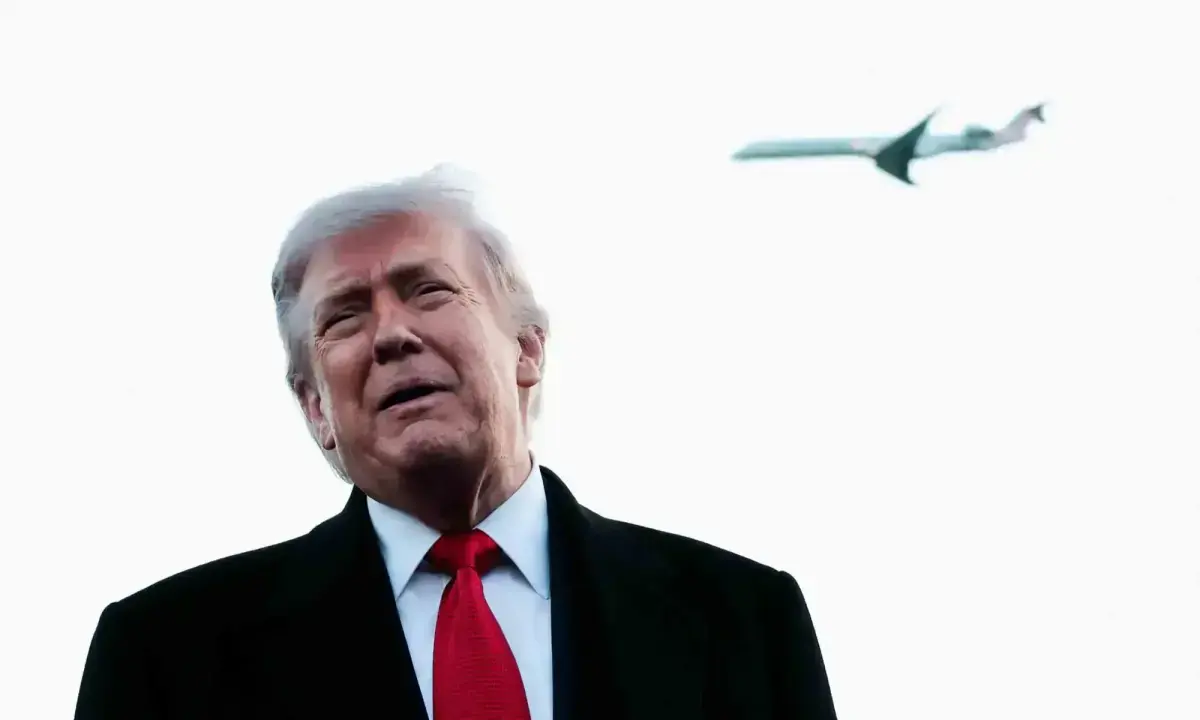
According to the reported developments, Israeli strikes hit Gaza and Lebanon, Hezbollah fired rockets into northern Israel, and Iranian attacks struck Kuwait’s international airport. President Donald Trump said on Wednesday that ceasefires in the region amounted to "shooting in a more moderate manner" rather than a complete end to combat.
Gaza ceasefire under strain
A US-brokered ceasefire between Israel and Hamas took effect on October 10, 2025, and was intended to stop major fighting. The agreement called for a halt in hostilities, the release by Hamas of all remaining hostages in Gaza, the freeing of Palestinian prisoners by Israel, a phased Israeli pullback, increased humanitarian aid and the opening of a crossing into Egypt.
A broader Trump-backed framework was also meant to lead to Hamas being disarmed, the formation of a new Gaza administration without the group, reconstruction in the territory and a full Israeli withdrawal. However, while all hostages have been released, aid deliveries have not risen substantially, Hamas has not accepted disarmament, reconstruction has yet to begin and Israel has expanded the area under its control.
Israeli air raids have continued in Gaza and have killed more than 900 Palestinians since the truce, including nine on Thursday. Sporadic Palestinian attacks have also killed four Israeli soldiers in Gaza.
Lebanon fighting continues despite truce efforts
In Lebanon, a ceasefire agreed after fighting in 2024 was only partly carried out, with Israel and Hezbollah each accusing the other of violations. Open warfare resumed in March after war involving Iran broke out, with Hezbollah firing into Israel and Israeli forces taking control of parts of southern Lebanon while also carrying out air strikes elsewhere.
Trump announced a 10-day ceasefire in Lebanon on April 16 following rare contact between Israeli and Lebanese representatives. Although the heaviest fighting remained concentrated in the south and Israel largely avoided striking Beirut, violence did not stop.
Lebanese authorities say Israeli strikes since April 16 have killed hundreds of people, taking the death toll since March 2 to more than 3,500. Their figures do not separate civilians from combatants. Israel says Hezbollah attacks since March have killed 26 Israeli soldiers and four civilians.
Iran wants a Lebanon ceasefire included in any broader agreement to end its conflict with the United States and Israel and to reopen the Strait of Hormuz. Trump said on Wednesday that Lebanon and Israel had agreed to put in place a new ceasefire dependent on Hezbollah withdrawing from southern areas. Israel says it retains the ability to conduct military operations despite the arrangement, while Hezbollah has rejected the truce.
US-Iran ceasefire yet to lead to broader deal
The United States and Israel launched attacks on Iran on February 28, saying they aimed to destroy Tehran’s nuclear and ballistic missile programmes. Both countries also expressed hope that Iran’s ruling theocratic system would be brought down. The campaign followed a 12-day war last year in which Israel, later joined by the United States, struck many Iranian nuclear sites and military leaders.
Although many senior Iranian figures were killed, Iran has been able to shut the Strait of Hormuz, disrupting Gulf energy exports and affecting the global economy. The United States announced a ceasefire with Iran in early April, to be followed by talks on a longer-term end to hostilities, reopening Hormuz, ending a US blockade on Iranian ports and creating a path toward negotiations over Iran’s nuclear programme.
But despite repeated rounds of indirect talks mediated by Pakistan and Qatar, no broader agreement has yet been reached. Any eventual deal would likely postpone negotiations on the nuclear issue to a later stage. In the meantime, the two sides have continued to exchange fire, and Iran this week also attacked Gulf states including Kuwait.
Why the ceasefires have not held
All three arrangements have stalled in their initial phase, failing to develop into more durable settlements. The parties involved have been unwilling to make the difficult concessions needed to move beyond transitional ceasefires. In some cases, combatants have resumed military action to pursue objectives left unresolved by the truces or to test the limits of the agreements.
Urban Coningham, a research fellow at the Royal United Services Institute in London, said the absence of progress had weakened the chances of the ceasefires holding.
"When there’s no movement and there’s no political horizon, it’s very difficult for a ceasefire to hold, because there’s no real incentive for the parties to that ceasefire to continue abiding by it if it doesn’t actually lead to any changes"He also said the reduced influence of international institutions such as the United Nations, alongside the increasingly assertive role of regional powers, had made lasting agreements harder to sustain.
Comments
No comments yet. Be the first to join the discussion!


