Asia pivots to coal as Middle East conflict disrupts LNG supplies
Asian nations are increasingly turning to coal as Middle East conflict disrupts LNG supply chains, forcing energy-dependent economies to seek cheaper, more readily available fuel alternatives.

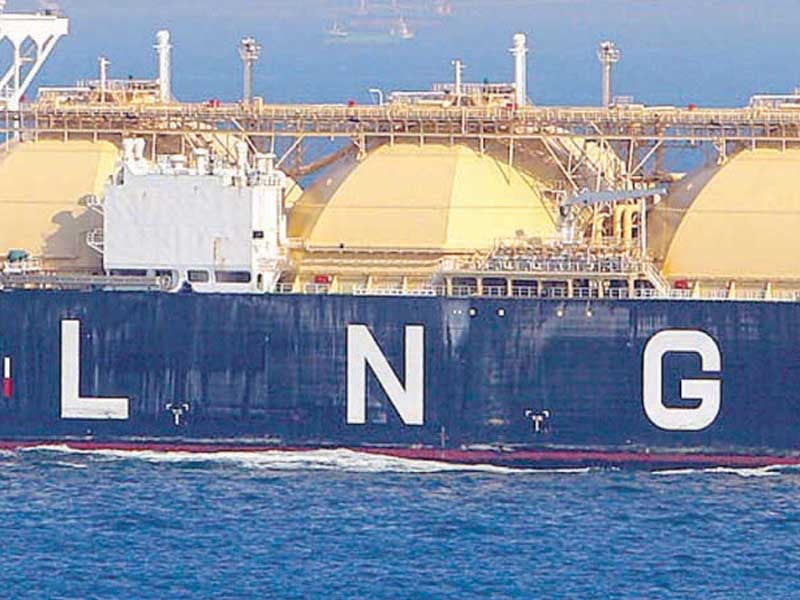
SINGAPORE: Asian nations are increasingly turning to coal as escalating conflict in the Middle East disrupts liquefied natural gas (LNG) supply chains, forcing energy-dependent economies across the region to seek alternative fuel sources.
Middle East tensions choke LNG flows
The ongoing conflict in the Middle East has created significant bottlenecks in LNG trade routes, pushing Asian buyers to reconsider their energy procurement strategies. The disruption has raised concerns about the reliability of LNG supplies, which many Asian economies have relied upon heavily as part of their energy transition plans.
As LNG prices surge and availability tightens due to the geopolitical turmoil, several Asian countries are pivoting back to coal — a cheaper and more readily available fossil fuel — to meet their growing energy demands. The shift marks a notable reversal for a region that had been gradually moving towards cleaner energy sources.
Coal demand rises across the region
The renewed interest in coal comes at a time when Asian economies are grappling with the dual challenge of ensuring energy security while managing costs. With LNG cargoes becoming more expensive and harder to secure amid the Middle East conflict, coal has emerged as a practical alternative for power generation and industrial use.
The pivot to coal is particularly significant given the global push towards decarbonisation and the commitments many Asian nations have made under international climate agreements. However, the immediate priority for these countries appears to be maintaining stable energy supplies to support economic growth and meet domestic electricity demands.
Implications for energy markets
The shift in Asian energy procurement is expected to have ripple effects across global commodity markets. Increased coal demand from Asia could drive up coal prices while simultaneously easing some pressure on the LNG market as buyers redirect their purchasing strategies.
The development also highlights the vulnerability of global energy supply chains to geopolitical disruptions, particularly in strategically important regions such as the Middle East. Energy analysts have noted that the situation underscores the importance of diversified energy portfolios for import-dependent economies in Asia.
For Pakistan, which itself relies on a mix of LNG imports and coal-fired power generation, the broader regional trend could have implications for energy costs and procurement strategies. The country has been working to balance its energy mix amid fluctuating global fuel prices and supply uncertainties.
The situation remains fluid as the Middle East conflict continues to evolve, with energy markets closely watching for any further disruptions to LNG supplies that could accelerate the coal pivot across the Asia-Pacific region.
Comments
No comments yet. Be the first to join the discussion!