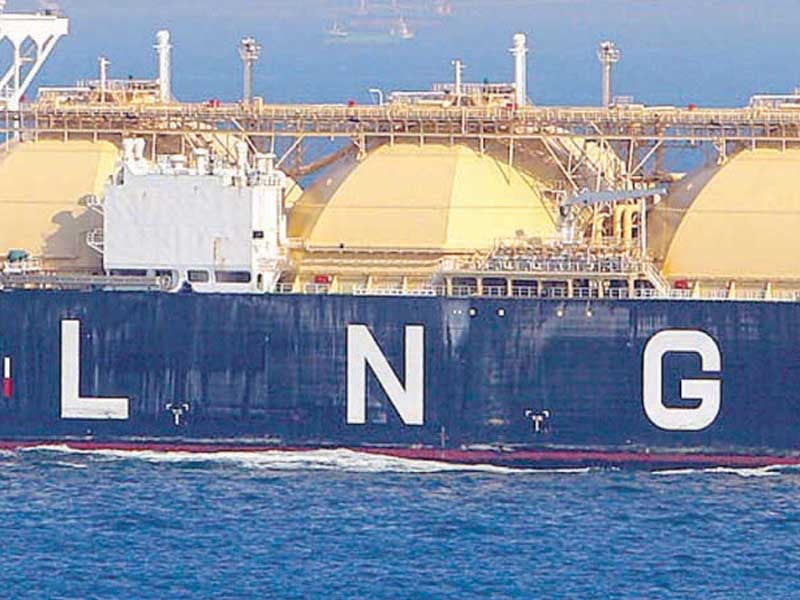
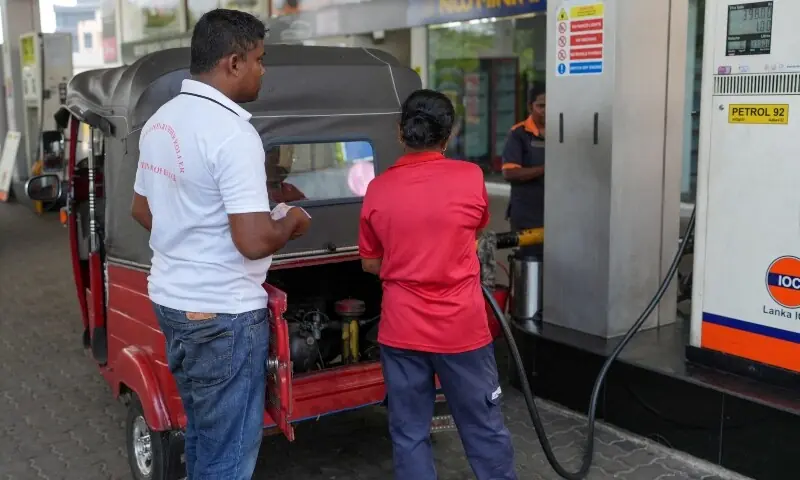
Asia’s heavy reliance on Middle Eastern oil raises concerns amid regional tensions
Asia sources nearly 60% of its crude oil from the Middle East, making it vulnerable to disruptions in the Strait of Hormuz amid regional tensions.

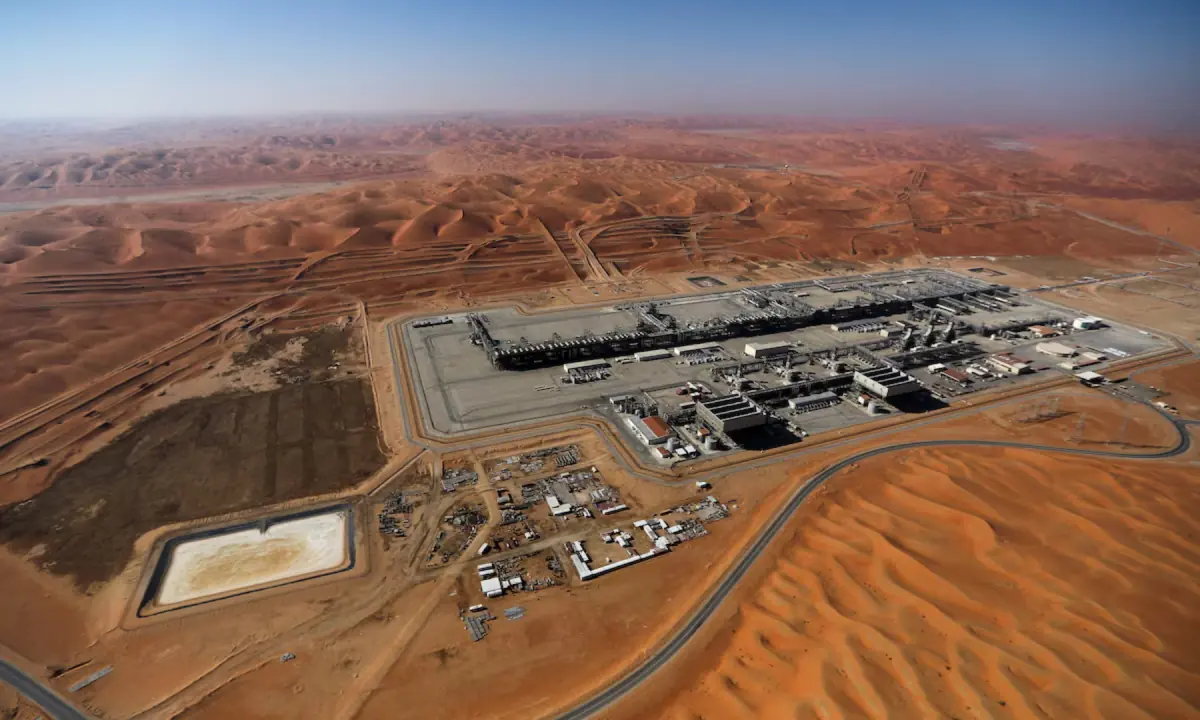
Dubai — Asia continues to depend heavily on oil and gas imports from the Middle East, with the region sourcing approximately 60 percent of its crude oil from Middle Eastern suppliers. This significant reliance has heightened concerns over energy security, especially in light of potential disruptions to the Strait of Hormuz, a critical supply route, due to escalating tensions involving Iran.
According to data from shipping analytics firm Kpler, Asia imported 14.74 million barrels per day (bpd) of crude oil from the Middle East in 2025. This figure represents nearly 60 percent of the region’s record total crude oil purchases of 25 million bpd. The Middle East remains the world’s largest oil-producing and exporting region, accounting for one in every four barrels of crude exported globally each day, with most shipments passing through the Strait of Hormuz.
Saudi Arabia, the United Arab Emirates, and Iraq are identified as the leading suppliers of crude oil to Asian markets. The strategic importance of the Strait of Hormuz is underscored by its role as the primary transit point for Middle Eastern oil exports to Asia. Any prolonged closure of this vital waterway could significantly disrupt energy supplies to the region, making Asian economies particularly vulnerable to geopolitical developments in the Middle East.
The data highlights the ongoing challenges faced by Asian countries in diversifying their energy sources and reducing dependence on a single region. With the Middle East maintaining its position as the dominant supplier, the prospect of supply interruptions remains a pressing concern for policymakers and industry stakeholders across Asia.
As regional tensions persist, the issue of energy security is expected to remain at the forefront of discussions among Asian importers and global energy markets.
Comments
No comments yet. Be the first to join the discussion!