KP’s IFRP failure threatens Pakistan

Across the globe, every sovereign nation faces the pressing challenge of managing migration while safeguarding its national security and resources. For Pakistan, this challenge has intensified over decades, particularly in the border province of Khyber Pakhtunkhwa (KP), which hosts one of the largest populations of undocumented foreign nationals, primarily Afghan refugees. Recognizing the urgency, the federal government launched the Illegal Foreigners Repatriation Program (IFRP) in September 2023 a bold initiative aimed at orderly, phased, and comprehensive repatriation of all illegal foreign residents from Pakistani soil. While the program’s nationwide progress has been noteworthy, with over 1.1 million undocumented individuals returned by April 2025, KP’s provincial government has shown marked reluctance and inefficiency in enforcing the program, thereby undermining Pakistan’s broader goals of sovereignty, security, and social justice.
The IFRP began with a period encouraging voluntary return but swiftly transitioned to compulsory deportation to ensure that no illegal foreign national could evade the law indefinitely. Crucially, the program targets no specific nationality but applies uniformly to all undocumented individuals, reflecting a core principle of sovereignty: the right of a state to control who resides within its borders. By late March 2025, nearly 470,000 Afghan nationals had crossed back into Afghanistan through the Torkham border. This underscores federal resolve and operational capacity in managing the complex task of repatriation in a conflict-prone region. However, a glaring exception to this progress is KP, which, despite being the primary host to these populations, has repatriated a shockingly low number only 153 illegal migrants since April 2025.
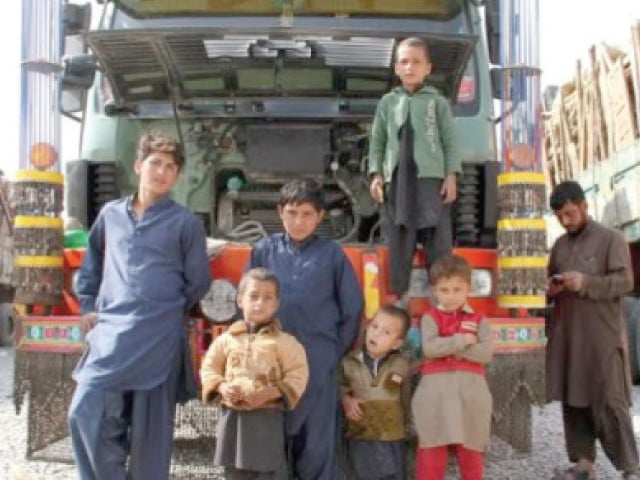
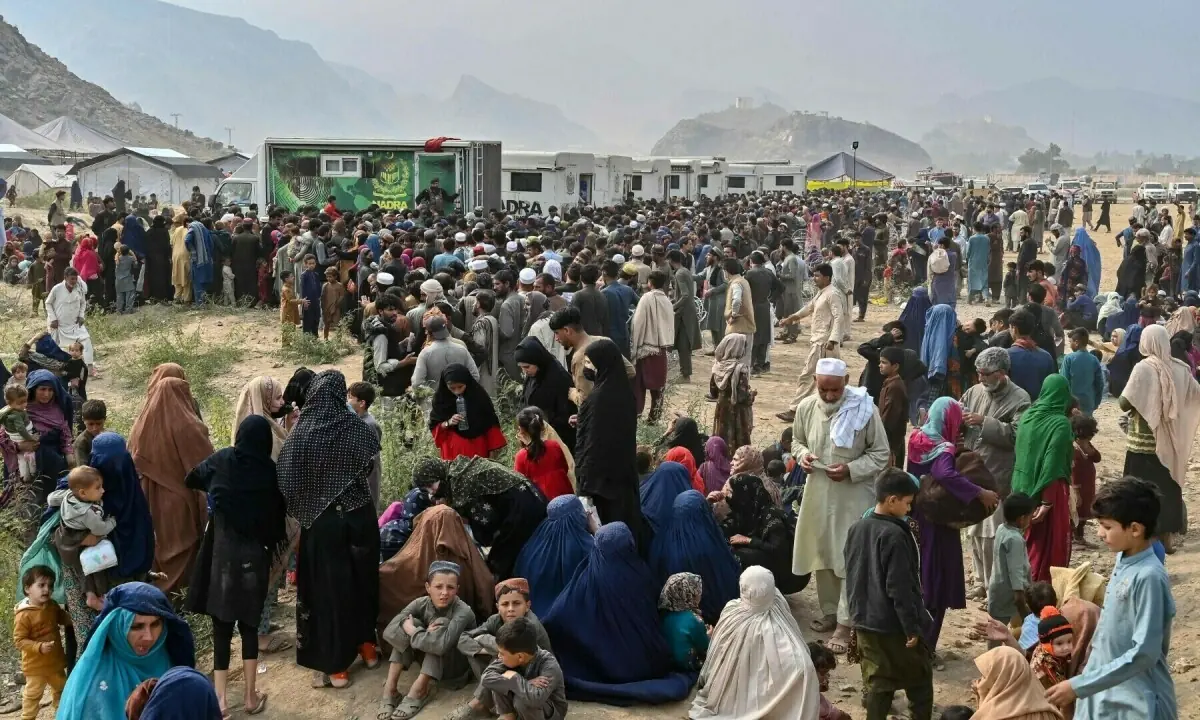
This provincial inertia is not merely a bureaucratic hiccup; it is a serious governance failure. KP hosts an estimated 353,140 illegal Afghan nationals scattered across multiple districts including Peshawar, Haripur, Kohat, Swat, and others. Many of these refugees reside in camps that were officially de-notified years ago, signaling a legal end to their recognized refugee status. Yet, instead of dismantling these camps, the KP government continues to allow their operation, even providing essential services like electricity, water, and healthcare resources meant to serve Pakistani citizens. Such actions amount to misallocation of public resources and signal an institutional disregard for the legal framework guiding immigration and refugee management. It also breeds resentment among local communities, who bear the brunt of stretched public utilities and social services.
More troubling is the discovery of an extensive network producing counterfeit Pakistani identity cards, predominantly linked to Afghan nationals residing in KP. This fraudulent activity compromises not only the integrity of national identity systems but also creates security vulnerabilities, allowing illegal residents to access services and possibly engage in illicit activities undetected. The involvement or tolerance of such networks raises questions about political or bureaucratic complicity, which further erodes public confidence in governance. The KP government’s slow response to addressing this menace exacerbates these challenges and exposes the province to risks that go beyond simple administrative inefficiency.
The security implications of KP’s laxity are particularly grave. Terrorist attacks over the past years, some involving perpetrators who exploited refugee status as a cover, have rattled public confidence and raised alarm among security agencies. Both domestic institutions and international organizations like the United Nations have acknowledged the threat posed by unchecked illegal residency, especially in sensitive border provinces. The failure to implement IFRP rigorously in KP thus does not only violate legal norms but actively undermines Pakistan’s fight against militancy and extremism. The provincial government’s hesitance to cooperate fully with federal repatriation efforts amounts to an abdication of constitutional responsibility, putting millions of citizens at risk and weakening national security architecture.
Compounding the issue is the overt political resistance to the federal repatriation policy by some provincial leaders. In April 2025, former KP Chief Minister Ali Amin Gandapur publicly opposed the IFRP during a press conference in Peshawar, openly challenging the federal government’s directive. This defiance is more than political rhetoric; it institutionalizes non-cooperation, emboldens illegal actors, and disrupts law enforcement. The continued operation of unauthorized refugee camps, with access to subsidized utilities and public services, symbolizes a tacit endorsement of the status quo that is untenable for a sovereign state. Political expediency, therefore, should not overshadow the imperative to uphold the rule of law and the protection of citizens’ interests.
Balancing humanitarian concerns with the rights of Pakistani citizens is crucial, especially as overstretched resources and security risks mount due to unmanaged migration. The IFRP offers a fair and lawful solution that upholds human dignity while safeguarding national interests. KP must move beyond political posturing and fulfill its constitutional duty by fully implementing the program. Failure to do so not only threatens Pakistan’s territorial integrity and resource distribution but also risks undoing hard-won security gains. This is a pivotal test of governance and patriotism that KP cannot afford to ignore.
Pakistan’s Illegal Foreigners Repatriation Program is a visionary and necessary step to reclaim sovereignty, uphold the rule of law, and secure the nation’s future. The federal government’s decisive actions and measurable outcomes demonstrate commitment and capability. However, the KP provincial government’s failure to implement the program effectively not only obstructs national progress but endangers provincial security and resource management. Only through unwavering commitment, transparent enforcement, and political resolve can KP and by extension Pakistan hope to restore order, protect citizens’ rights, and secure lasting peace. The time to act decisively is now. Complacency or political expediency must yield to responsibility and governance for the greater good of the province and the nation.
The author frequently contributes on issues concerning national and regional security, focusing on matters having critical impact in these milieus. She can be reached [email protected]
View all articles →Comments
No comments yet. Be the first to join the discussion!