








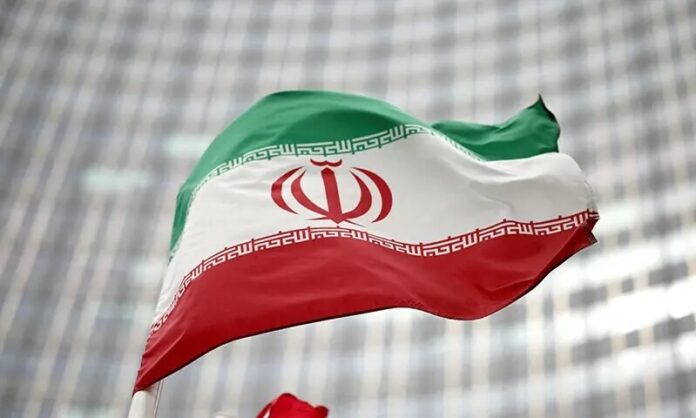
TEHRAN: The commander of Iran’s Revolutionary Guards, General Mohammad Pakpour, issued a stern warning to Washington and Tel Aviv on Thursday, stating that the force had its “finger on the trigger” in the wake of mass protests and ongoing tensions. His comments came after US President Donald Trump indicated that Iran still appeared open to talks despite rising hostilities.
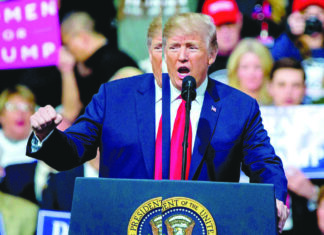
Trump, who has left the door open to further military action against Iran, emphasized in his speech at the World Economic Forum in Davos that the US had targeted Iranian uranium enrichment sites to prevent the development of a nuclear weapon. However, Iran denies any intent to develop nuclear arms, maintaining its program is peaceful.
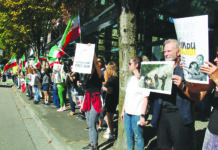
The rhetoric has been increasingly heated following a series of protests in Iran, which began in late December and challenged the rule of Supreme Leader Ayatollah Ali Khamenei. The protests were met with a violent crackdown, leaving thousands dead and causing an unprecedented internet blackout. Despite the crackdown, there were signs in recent weeks that both sides were willing to explore diplomatic options, though Trump has indicated that military action remains on the table.
In response, General Pakpour cautioned both Israel and the US to learn from past experiences and historical events, particularly the 12-day war that took place earlier in the year. He warned that any miscalculation could lead to a far worse outcome, stating, “The Islamic Revolutionary Guard Corps and dear Iran have their finger on the trigger, more prepared than ever, ready to carry out the orders of the supreme commander-in-chief.”
The Revolutionary Guards, which have been heavily involved in the crackdown on protesters, are sanctioned as a terrorist organization by the US, Canada, and Australia. Their role in the Iranian regime’s response to the protests has drawn widespread international condemnation.
Pakpour’s warning was reinforced by another senior Iranian military official, General Ali Abdollahi Aliabadi, who declared that in the event of a US attack, all US interests, bases, and centers of influence in the region would be considered “legitimate targets.”
Meanwhile, Iran’s Foreign Minister Abbas Araghchi, in a recent opinion piece in the Wall Street Journal, reaffirmed the country’s readiness for negotiations but made it clear that Iran would not hesitate to retaliate if provoked.
In a related development, Iranian authorities released an official toll from the recent protests, claiming 3,117 people had been killed. The Iranian government distinguished between “martyrs” (members of security forces and innocent bystanders) and “rioters” supported by foreign powers, particularly the US, labeling the latter group as responsible for the unrest.
This latest exchange of threats and diplomatic statements underscores the volatile situation between Iran and the US, as both nations grapple with the consequences of their ongoing tensions.