
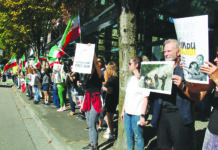










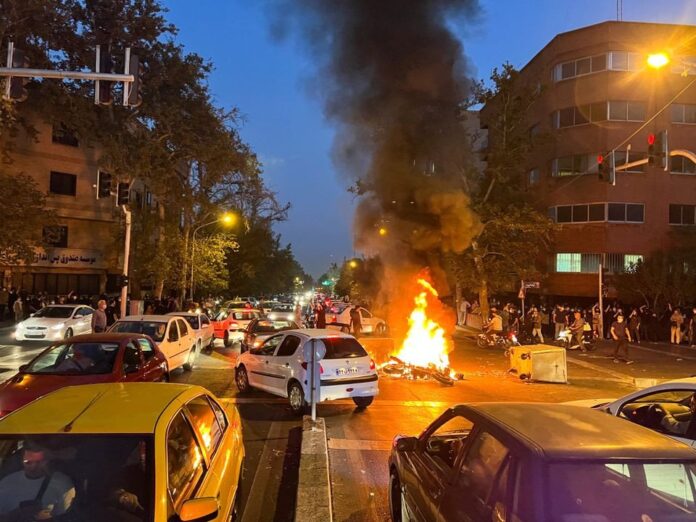
In the aftermath of unprecedented protests, the Iranian government has staged mass rallies across the country to regain control of the streets. Thousands gathered in Tehran’s Enghelab Square on January 12, 2026, waving the national flag and participating in prayers for the victims of what the government has referred to as “riots.” This rally marks a significant effort by the authorities to reassert their authority following protests that have become one of the most significant challenges to the theocratic regime since the 1979 Islamic revolution.
The protests, initially sparked by economic grievances, have escalated into widespread demonstrations against the government, with activists fearing that at least hundreds of people have died in the crackdown. The authorities have imposed an internet blackout that has lasted more than three days, which activists believe is intended to conceal the full extent of the suppression.
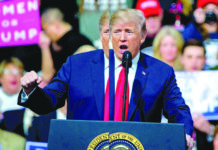
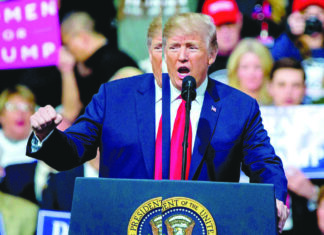
Addressing the rally, Parliament Speaker Mohammad Bagher Ghalibaf stated that Iran is fighting a “four-front war,” which includes economic, psychological, and military confrontations with the United States and Israel, as well as a war against what he described as terrorists, referring to the protests. He warned that any attack on Iran would result in the Iranian military teaching US President Donald Trump “an unforgettable lesson.”
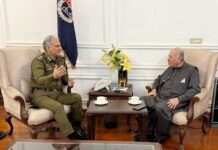
Foreign Minister Abbas Araghchi, speaking at a conference of foreign ambassadors, declared that Iran is prepared for war but is also open to negotiations. However, he emphasized that these talks should be fair, based on mutual respect, and conducted with equal rights. Despite the lack of formal diplomatic relations, a communication channel remains open between Araghchi and Trump’s special envoy for the Middle East, Steve Witkoff.
The situation remains tense, as the Iranian government seeks to address both the internal unrest and external pressures, including threats from the United States regarding military intervention.


This situation in Iran is deeply concerning. The government’s decision to organize mass rallies shows how seriously it views the ongoing unrest, which has spread nationwide amid severe economic frustration and political dissatisfaction. While state media presents these rallies as a sign of unity and solidarity, independent reports indicate that widespread protests and harsh crackdowns have led to hundreds of deaths and thousands of arrests — with communication blackouts making it difficult to verify the full scale of events.