














China’s remarkable advancement in nuclear energy has become a global focal point, reshaping the world’s strategic and political landscape. Having overtaken the USA in nuclear technology, China’s progress is not just a scientific milestone but a declaration of technological and political ascendancy. This development holds far-reaching consequences for global diplomacy, defence, the environment, and energy security.
While the world debates the implications of China’s growing dominance, countries like Pakistan see both opportunities and challenges emerging from this transformation. It is worth exploring China’s achievements, international reactions, and the ways Pakistan can strategically benefit from China’s expanding nuclear capabilities.
In today’s world, national power is no longer measured solely by military strength or economic output. Energy independence and technological superiority have become central to global influence. Recognizing this, China has made nuclear energy a cornerstone of its long-term development strategy.
For Pakistan, China’s progress presents both a challenge and an opportunity. By learning from China’s experience, enhancing domestic capacity, and maintaining international transparency, Pakistan can harness this partnership to achieve energy security, technological advancement, and economic independence. In this new age of nuclear transformation, Pakistan has the chance to turn collaboration into self-reliance— and self-reliance into progress
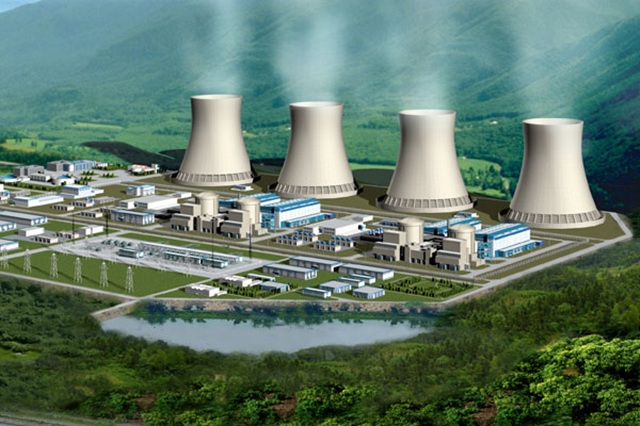
Currently, China operates more than 50 nuclear reactors and is building over 20 additional ones, aiming to establish the world’s largest nuclear power system by 2035. The country has invested heavily in advanced technologies such as high-temperature gas-cooled reactors, fast breeder reactors, and thorium-based systems.
China’s ambitions extend beyond domestic needs. Through what experts call “technology diplomacy,” Beijing is offering nuclear technology and infrastructure to developing countries, expanding its political and economic reach across Asia, Africa, and beyond. This integration of science, strategy, and diplomacy has elevated China from a major power to a potential global energy leader.
The USA, once a pioneer of nuclear energy, is now struggling to maintain its former supremacy. Bureaucratic delays, high operational costs, and limited government support have hindered progress. With most American nuclear projects under private ownership, consistent policy execution has become difficult.
In contrast, China’s centralized system allows for long-term planning, rapid implementation, and large-scale investment. The USA has labeled China’s progress as part of a broader technological diplomacy strategy and is now seeking ways to counterbalance Beijing’s growing influence through international partnerships and renewed domestic investment.
China’s nuclear advancements have triggered mixed reactions worldwide. Russia sees the development as an opportunity for greater cooperation rather than competition. Both countries are strengthening their energy alliances and conducting trade in national currencies, which could challenge the dominance of the dollar.
India views China’s nuclear progress as a potential threat to regional security and is therefore enhancing its own nuclear and defence capabilities.
The European Union and Japan are less focused on competition and more on ensuring stricter global safety standards to prevent nuclear mishaps or misuse.
These shifting dynamics indicate the possible emergence of a new geopolitical bloc centered around nuclear energy— a factor that could reshape international power relations in the years to come.
Despite its promise, nuclear energy carries significant risks. Disasters such as Chernobyl (1986) and Fukushima (2011) remain stark reminders of the dangers associated with technological failure or human error.
The safe disposal of nuclear waste is still a major global challenge. Furthermore, the risk of nuclear materials falling into the hands of non-state actors or extremist groups poses a serious threat to world peace. If nuclear development is militarized, it could trigger a new global arms race, undermining decades of international disarmament efforts.
As China’s long-standing strategic and economic partner, Pakistan is uniquely positioned to benefit from this nuclear revolution. Through cooperation and technology sharing, Pakistan can strengthen its energy infrastructure, scientific capacity, and economic resilience.
Pakistan faces chronic electricity shortages that hinder industrial growth and economic progress. Collaboration with China in building modern nuclear power plants— like the Chashma, K-2, and K-3 projects— has already contributed significantly to Pakistan’s energy mix. Continued access to China’s advanced, cost-effective reactor technologies could further reduce Pakistan’s dependence on imported fuel and stabilize its power supply.
China’s cost-efficient reactor models and expertise in safety management provide Pakistan with a chance to upgrade its nuclear infrastructure. By adopting Chinese designs and methods, Pakistan can develop its own capabilities in reactor design, safety protocols, and waste management, fostering technological self-sufficiency.
Through joint research programmes and academic partnerships, Pakistan can train engineers and scientists in the latest nuclear technologies. Such collaboration would strengthen Pakistan’s institutional capacity and ensure the safe, long-term operation of nuclear facilities.
Reliable and clean nuclear energy can power Pakistan’s industries, attract foreign investment, and boost GDP growth. The expansion of nuclear power will not only meet domestic energy needs but also contribute to industrial modernization and job creation.
A stronger, energy-secure Pakistan would play a more active role in regional and international affairs. Through collaboration with China, Pakistan can maintain strategic balance in South Asia and enhance its position in platforms such as the Shanghai Cooperation Organization (SCO).
While these opportunities are promising, Pakistan must carefully manage potential risks. Increased dependence on China could limit Pakistan’s economic independence and expose it to geopolitical pressures from Western powers. It is also essential for Pakistan to comply fully with International Atomic Energy Agency (IAEA) regulations to ensure transparency and international credibility.
China’s dominance in nuclear energy marks a historic shift in global power dynamics. If guided by peaceful intentions and sustainable goals, this transformation could revolutionize the global energy landscape and help mitigate climate change. However, if driven by political or military motives, it could heighten tensions and jeopardize world peace.
For Pakistan, China’s progress presents both a challenge and an opportunity. By learning from China’s experience, enhancing domestic capacity, and maintaining international transparency, Pakistan can harness this partnership to achieve energy security, technological advancement, and economic independence. In this new age of nuclear transformation, Pakistan has the chance to turn collaboration into self-reliance— and self-reliance into progress.