Youth protests force Modi retreat as India’s exam anger reshapes politics
India’s education minister has resigned after youth protests over exam paper leaks, dealing Narendra Modi a rare setback. Analysts say the unrest exposes broader anger among young voters over jobs, representation and digital-era politics.

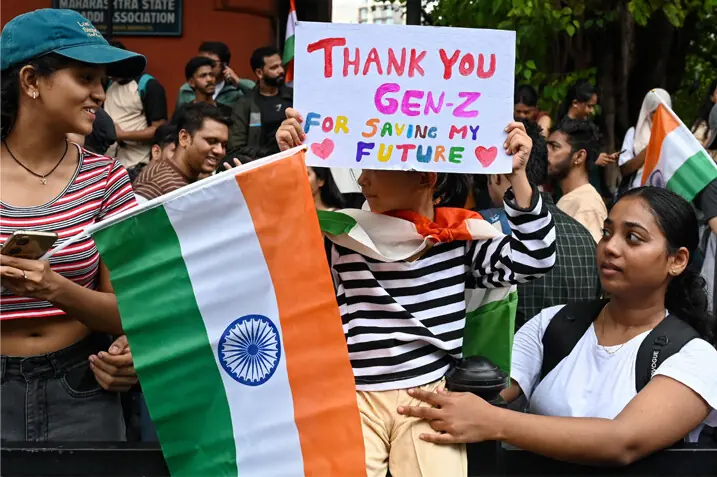
NEW DELHI: The resignation of India’s education minister after weeks of student-led protests has handed a rare political setback to Prime Minister Narendra Modi, with analysts saying the unrest reflects deeper anger among young voters over jobs, representation and the future of work.
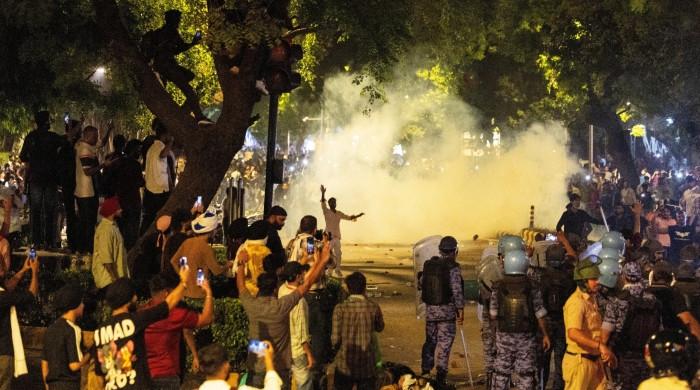
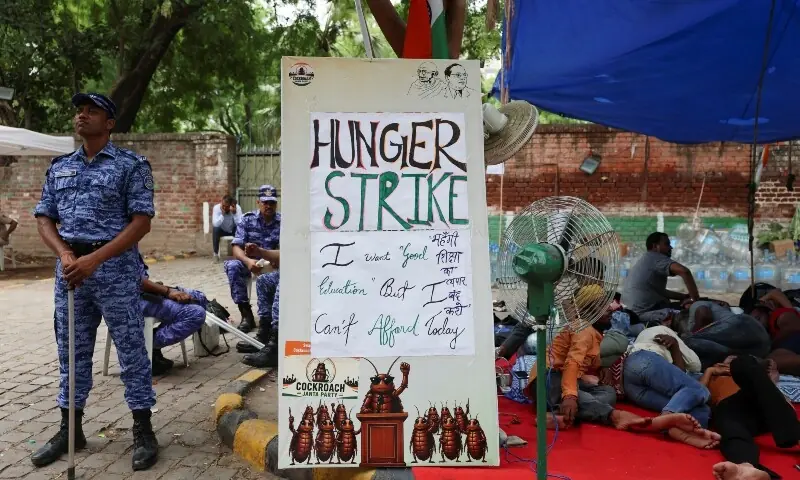
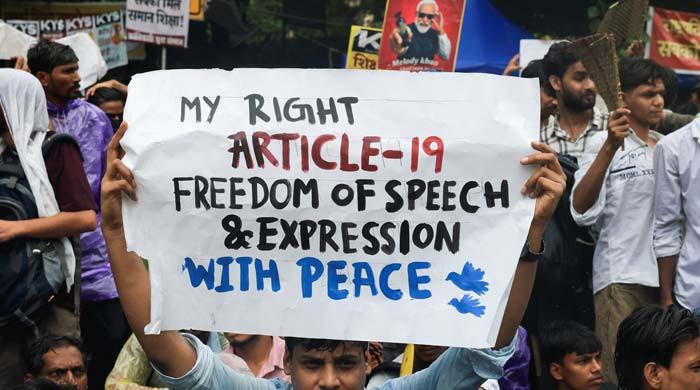
Dharmendra Pradhan stepped down on Saturday after demonstrators demanding accountability over exam paper leaks kept up pressure in Delhi and other cities. The protests were spearheaded by the Cockroach Janta Party, a youth movement that rapidly built a following of 22 million on Instagram in May, largely among Gen Z users.
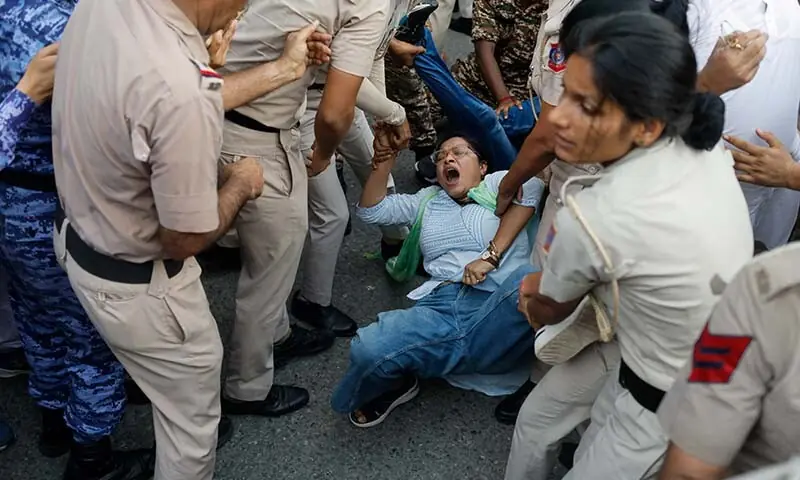
Modi, 75, posted a selfie video on Instagram late on Thursday saying he was pained by the students’ suffering and promising remedial steps. But the message did not satisfy protesters, thousands of whom had gathered in central Delhi after braving a major police crackdown days earlier.
Rajnath Singh said the government’s “top priority remains to understand our students’ genuine concerns, address them promptly, and ensure that they know their voices are being heard”. Modi also announced on Sunday a special task force to reform the country’s exam system.
More than an exam dispute
Although the immediate trigger was a leaked medical entrance test, analysts said the agitation has drawn strength from wider anxieties among young Indians, especially over unemployment and the possibility that artificial intelligence could threaten jobs in sectors such as IT back offices.
Political analyst Amitabh Tiwari said, “The paper leak is a trigger point. It is largely a reflection of the anxiety, nervousness, discontent, frustration and anger among the youth.”
Sanjay Srivastava, an anthropology professor at SOAS University of London, said the protest movement had brought in people who may not traditionally oppose Modi. “A large number of people who were at the protest may actually be his supporters and that’s quite different from other kinds of protests in the past,” he said.
He added that “a much wider cross-section” of people had begun questioning both the government and the idea that the ruling party was necessarily good for the country.
Changing digital politics
The demonstrations have also highlighted a generational mismatch in Indian politics. Indians aged 18 to 40 make up about 40 per cent of the population but hold only about 10pc of seats in the lower house of parliament, down from more than double that level in the 1950s, Tiwari said. The average age of the cabinet is more than 60.
Author Anurag Minus Verma said the episode showed the ruling party was “completely out of touch with what Gen Z wants”. He said the BJP’s online political machinery had long focused on X, while younger political conversation had increasingly moved to Instagram.
That shift was underlined by the movement’s digital reach. The BJP has 10 million Instagram followers, far fewer than the number the Cockroach Janta Party gained in a matter of days. The BJP’s audience remains larger on other platforms, with 23 million followers on X and 18 million on Facebook, while Modi’s personal accounts command between 60 million and 107 million followers across the three platforms.
Electoral test ahead
The youth backlash has already created an opening for opposition parties, which have rallied behind the students despite the Cockroach Janta Party not being a political party.
The first political test may come in elections next year in Uttar Pradesh, Punjab and Gujarat. The BJP governs both Uttar Pradesh and Gujarat, while analysts say the larger threat to Modi could emerge in the 2029 national election if the protest movement eventually enters formal politics.
Cockroach Janta Party founder Abhijeet Dipke has said no decision has been taken on contesting elections. Some analysts say younger voters in India have traditionally voted along caste or religious lines, a pattern that has helped Modi’s Hindu nationalist Bharatiya Janata Party, but recent developments suggest that may be starting to change.
One example came in Tamil Nadu, where an actor running for his own party and aligned with opposition forces was recently elected chief minister with strong support from an Instagram-first Gen Z base.
Comments
No comments yet. Be the first to join the discussion!