India student protests give opposition opening against Modi
Student protests in India over exam leaks have drawn broad opposition backing after a police crackdown in Delhi. Analysts say the unrest could give rivals of Narendra Modi a chance to win support among young voters.

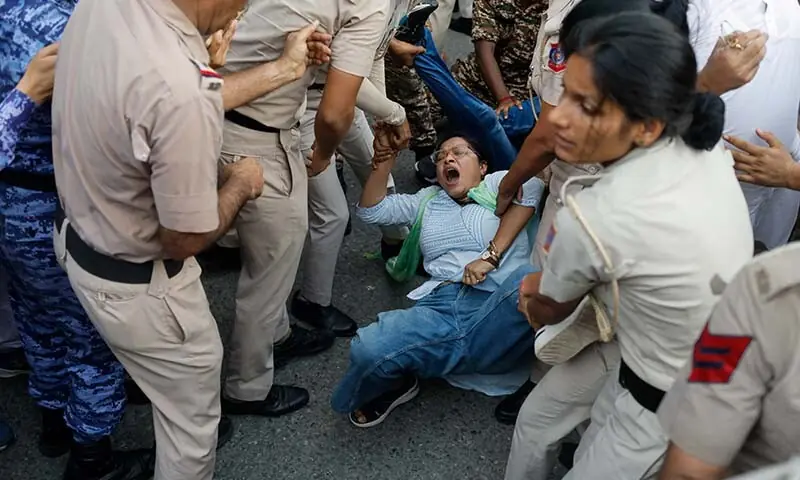
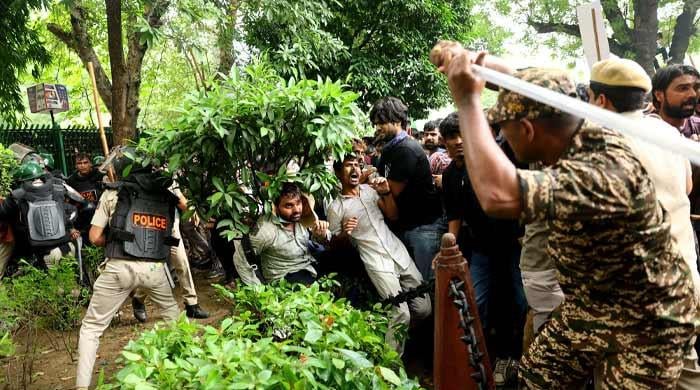
NEW DELHI: Student-led protests in India over exam paper leaks and corruption have created a political opening for opposition parties, which have moved quickly to back demonstrators after police used batons and tear gas to break up a march towards parliament.
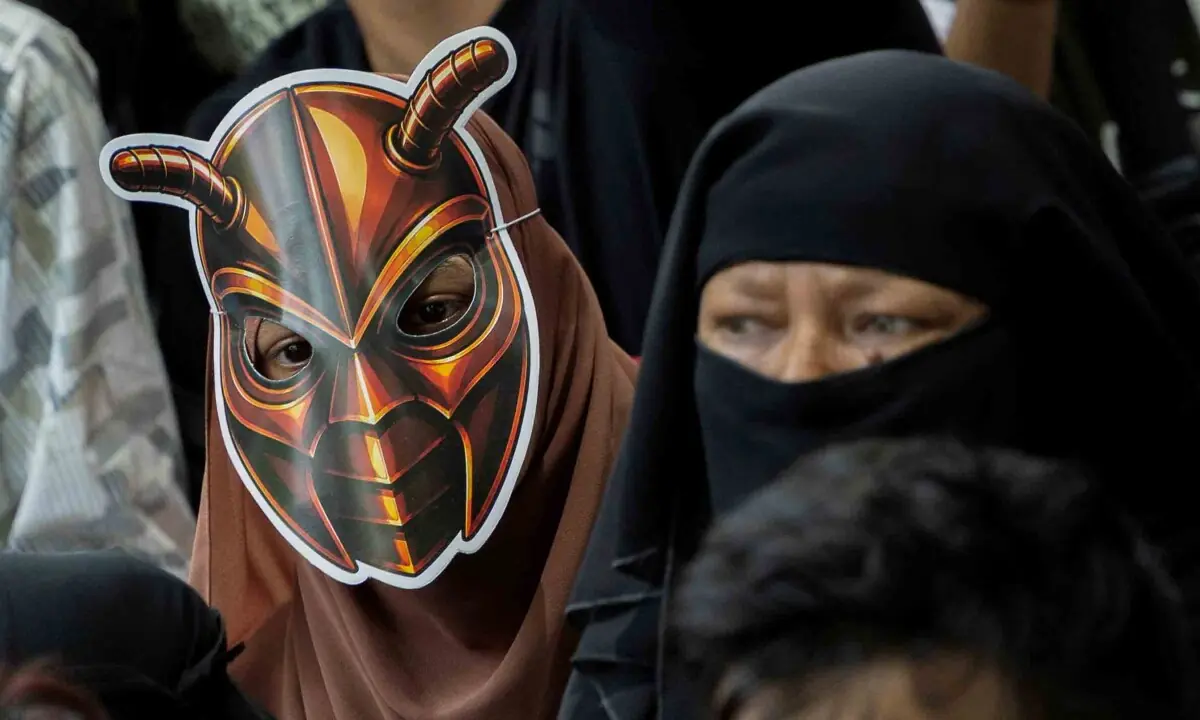
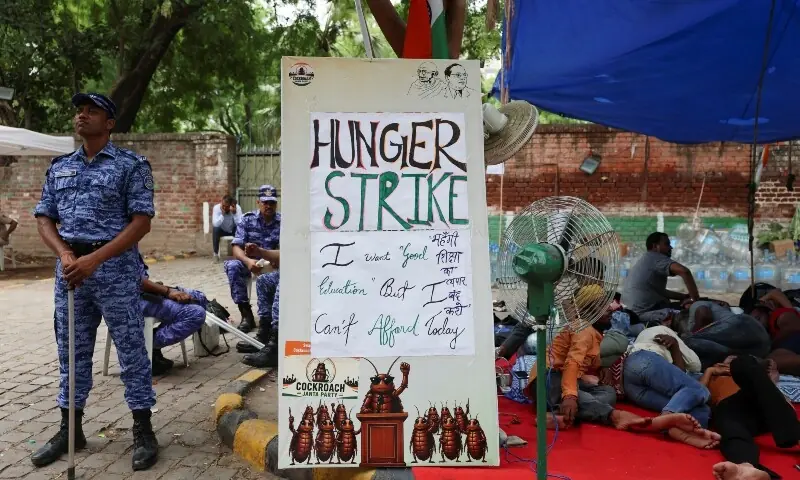
The protests were spearheaded by the Cockroach Janta Party (CJP), an online movement that gained prominence in May by channeling frustration among young people unhappy with both Prime Minister Narendra Modi’s party and the opposition. But after many protesters were injured in Monday’s crackdown, CJP leaders reached out to opposition lawmakers and sought their support.
By Tuesday, nearly all major opposition parties had aligned themselves with the protest movement after tens of thousands turned out in Delhi, far exceeding expectations. Images of the police action spread widely on social media. The CJP has focused its campaign on seeking the resignation of Education Minister Dharmendra Pradhan over leaks of medical entrance exam papers that affected millions of students and led to a retest.
Opposition sees youth vote opportunity
Analysts said the opposition’s show of solidarity could help it connect with younger voters, a key electoral group in India. People under 30 are estimated to account for more than half of the country’s 1.42 billion population, and many have been dissatisfied over a shortage of jobs during years of strong economic growth under Modi.
India’s next parliamentary elections are due by April 2029, but important state elections are scheduled next year in Uttar Pradesh, the country’s most populous state, and in Punjab.
Referring to the issue surrounding the education minister, Sanjay Kumar, a professor at the Centre for the Study of Developing Societies in Delhi, said the opposition sensed public anger against the government.
“I think the opposition has got a clear sense that there is a very strong sentiment against the government on this issue at least,”
Kumar said the movement could face a tougher clampdown if it remained without direction, adding that opposition parties were likely to try to build goodwill among the protesters.
Support and risks for the movement
Analysts also said broader political backing could carry risks for the student movement, as its core demands — preventing exam leaks and expanding job opportunities for young people — could be overtaken by wider partisan agendas. At the same time, they said opposition support could help sustain the protests by bringing resources, organisational capacity and a broader national platform.
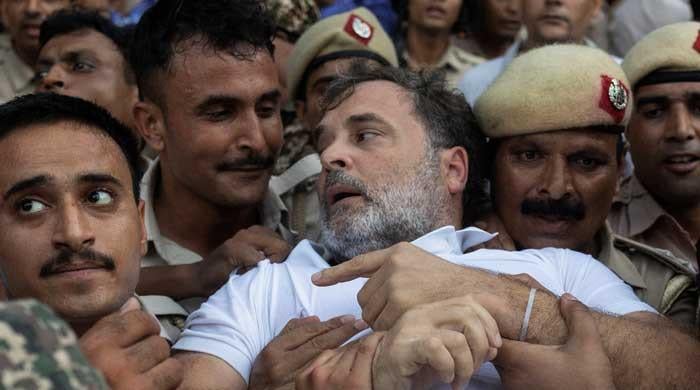
Congress leaders Rahul Gandhi and Priyanka Gandhi Vadra staged a protest outside Modi’s residence on Tuesday night and called for Pradhan’s resignation. Rahul Gandhi was later detained by police.
Before his detention, Rahul Gandhi said:
“An attack on students is an attack on every Indian family,” Rahul said before he was detained by police. “PM Modi believes he can get away without answers, without consequences. He cannot. Not this time. The voice of India’s students will not be ignored.”
Modi has not spoken publicly about the exam paper leaks. However, according to a cabinet minister speaking after a meeting of the ruling coalition, Modi told allies that strongest possible steps were being taken to protect students’ interests.
Senior opposition figures also visited demonstrators camped in intense heat about three kilometres from parliament. Some lawmakers and politicians arranged legal help for those detained, while others sent food and supplies.
Rasheed Kidwai, a political analyst and visiting fellow at the Observer Research Foundation, said parties were competing to present themselves as defenders of young people ahead of upcoming state elections. CJP, meanwhile, said it welcomed the support while insisting the agitation was not political.
“It’s not a political protest. It’s a movement of the masses; it is a movement of students, and we appreciate the support we are getting from the opposition parties,” a spokesperson said. “It was CJP which invited the opposition, and now they are coming and giving us the support. It motivates us. We won’t let any politics happen here.”
Political analyst Sandeep Shastri said movements that gain this degree of visibility often attract political parties seeking to benefit from them. He warned that if parties become more deeply involved, the original organisers and their concerns could be pushed aside.
Comments
No comments yet. Be the first to join the discussion!