India protest leaders say minister offered talks as march to parliament draws police response
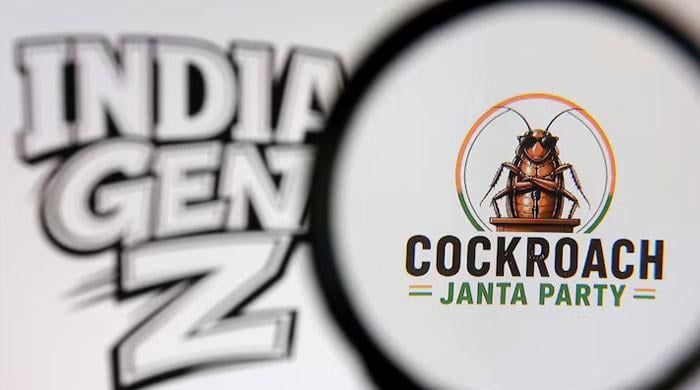
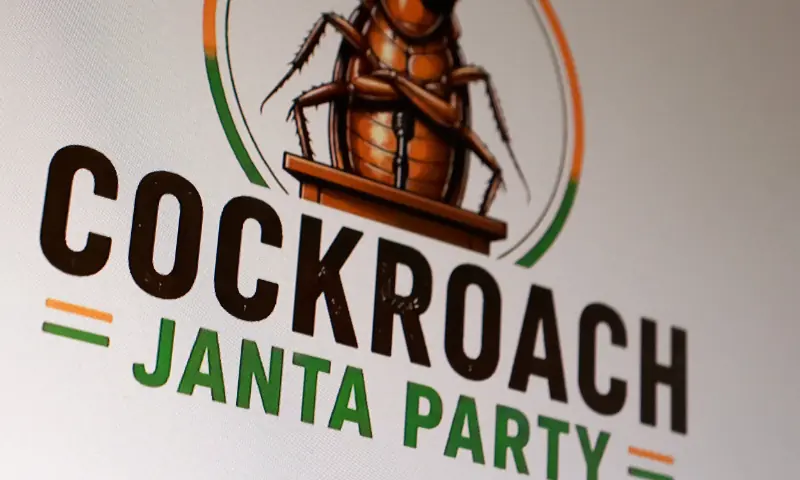
Leaders of India’s Cockroach Janta Party protest said a federal minister had offered time for talks as thousands marched towards parliament in New Delhi. The movement is demanding action over exam paper leaks, including the resignation of Education Minister Dharmendra Pradhan.

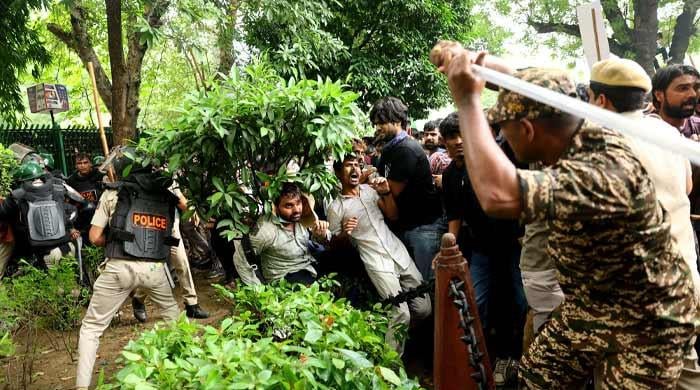
NEW DELHI: Leaders of India’s youth-led Cockroach Janta Party movement said on Monday that a federal minister had indicated the government would consider their demands, even as thousands of demonstrators marched towards parliament and police tried to disperse crowds with tear gas and baton charges.
The protest movement, which has been active for months, is being seen as the most significant public challenge so far to Prime Minister Narendra Modi in his third term. It first gained traction online, drawing millions of supporters on social media, before expanding its reach to opposition parties.
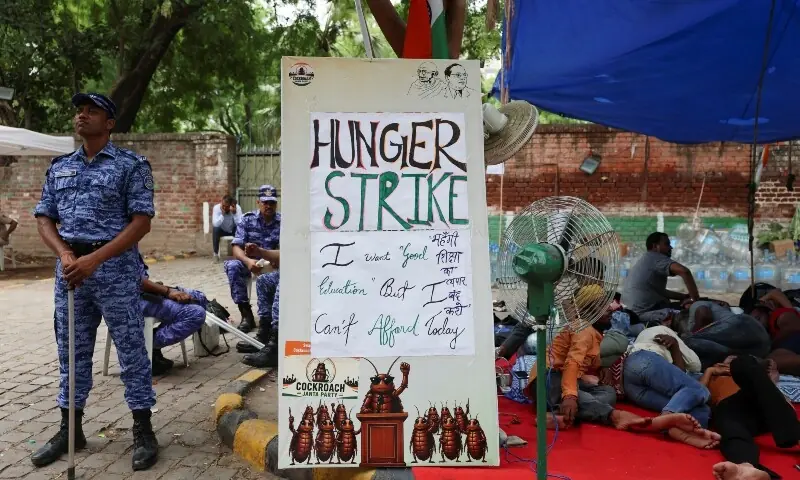
The latest mobilisation gathered pace after activist Sonam Wangchuk, who had been observing a hunger strike, was forcibly shifted to a hospital on Saturday. Protesters have been demanding the resignation of Education Minister Dharmendra Pradhan over examination paper leaks.
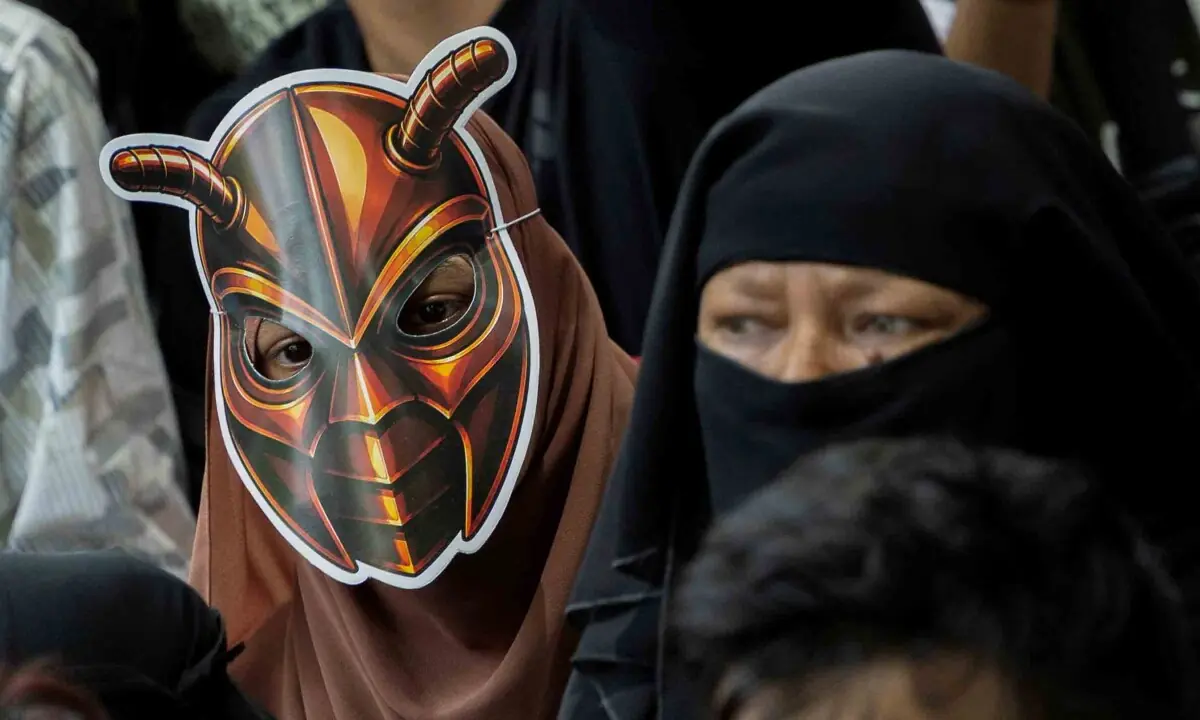
Thousands of mostly young supporters remained at Jantar Mantar in New Delhi through the night before beginning their march on the opening day of parliament’s monsoon session. Protesters chanted slogans calling on Pradhan and Modi to step down.
Talks claim and main demands
Ashutosh Ranka, the movement’s national spokesperson, said in a post on X that Health Minister JP Nadda had asked for time so the government could discuss the group’s demands internally. Those demands include Wangchuk’s release, Pradhan’s resignation and compensation of INR10 million ($104,000) for each exam aspirant who died by suicide. Media estimates cited by the movement put that number at about a dozen.
There was no immediate response from Nadda or the government regarding the reported offer of talks.
The movement also clarified that its founder, Abhijeet Dipke, was neither detained nor under arrest, after earlier saying he had been taken into custody by police.
Police deployment and clashes
Large numbers of police and paramilitary personnel were deployed across the capital as demonstrators moved towards central Delhi, waving national flags and chanting slogans. Reuters reporters said barricades on routes into the city centre caused major traffic disruption.
Television footage showed police baton-charging some protesters in one area, though Delhi police denied using force and said the protest was being handled professionally. Reuters journalists also reported that security personnel fired tear gas near parliament as they attempted to push back advancing demonstrators. In another area, some protesters were seen throwing stones at police.
Movement’s origins and protesters’ concerns
The campaign began after question papers for a national medical school entrance examination were leaked in May, forcing around two million students to sit the test again. Analysts said the movement’s rapid growth reflected broader anger among young Indians over limited employment opportunities and repeated exam paper leaks.
Adi Nathan, a 21-year-old student from Meerut, said he had joined the protest because of repeated paper leaks.
All these leaders in power are illiterate and I am here to protest because we do not want question papers to leak. This should come to an end.
Mohammed Tabrez, 22, who is preparing for competitive examinations, said he had travelled from Amroha in Uttar Pradesh to take part.
We want this corruption to end.
Wangchuk’s fast and conditions
Dipke and his supporters began a sit-in last month to press for Pradhan’s resignation. Wangchuk joined the protest on June 28 and started an indefinite hunger strike.
On Monday, Wangchuk sent a handwritten note asking hospital authorities to allow him to join the march, even temporarily. Earlier in the day, he said he would end his fast if the government accepted three conditions, including taking responsibility for what he described as recent failures in the education system and the examination leaks.
He also said he would call off the protest if lawmakers and political party leaders visited him in hospital and assured him that those conditions would be fulfilled.
Comments
No comments yet. Be the first to join the discussion!