US and Iran hold fire as mediators push to revive negotiations
The US and Iran have both paused attacks for a second day as mediators step up efforts to restart negotiations. Pakistan and Qatar are among those exchanging messages between Washington and Tehran amid a fragile lull.

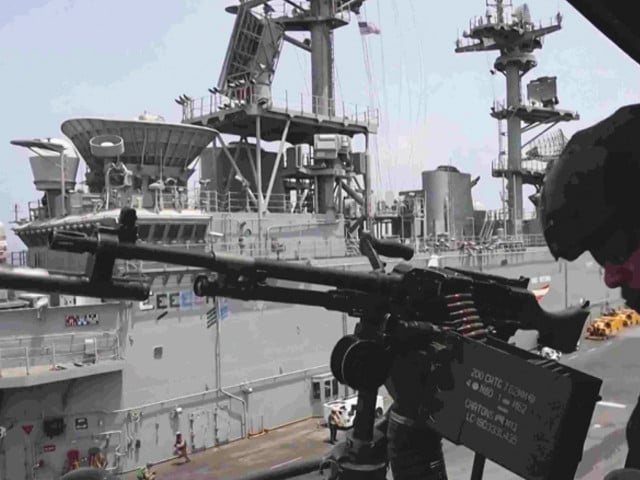
The United States and Iran have both stepped back from attacks for a second day, opening space for diplomacy after nearly two weeks of nightly strikes and counter-strikes.
A senior Iranian official said Tehran would stop its operations as long as Washington maintained its own pause, while warning that Iran was ready to respond on a broad scale if US strikes resumed. On the US side, Ambassador to the United Nations Mike Waltz said President Donald Trump had suspended the bombing campaign to let diplomacy proceed, saying, "He's giving talks some space, he's giving it a little bit of room."
The lull follows almost two weeks of continuous US bombardment and comes as concerns surfaced in American media over pressure on US missile defence supplies. The New York Times and CNN reported that worries about Patriot interceptor stocks, along with the risk of a wider regional war, were among the factors behind the decision not to move ahead with further escalation. Vice President JD Vance and senior military officials had also raised concerns about expanding the conflict.
Diplomatic contacts intensify
At the same time, mediation efforts gathered pace. Pakistan and Qatar increased exchanges of messages between Washington and Tehran after both sides communicated responses to a joint proposal aimed at ending the conflict. The proposal calls on the two countries to return to their pre-July 9 positions as a route back to negotiations.
Both sides have indicated willingness to pursue dialogue and diplomacy, though the current calm remains fragile. Iran's Foreign Ministry spokesman Esmaeil Baghaei said messages were still being passed between Tehran and Washington through mediators. He also said talks between Iran and Oman on the Strait of Hormuz had been productive.
Conflict still risks widening
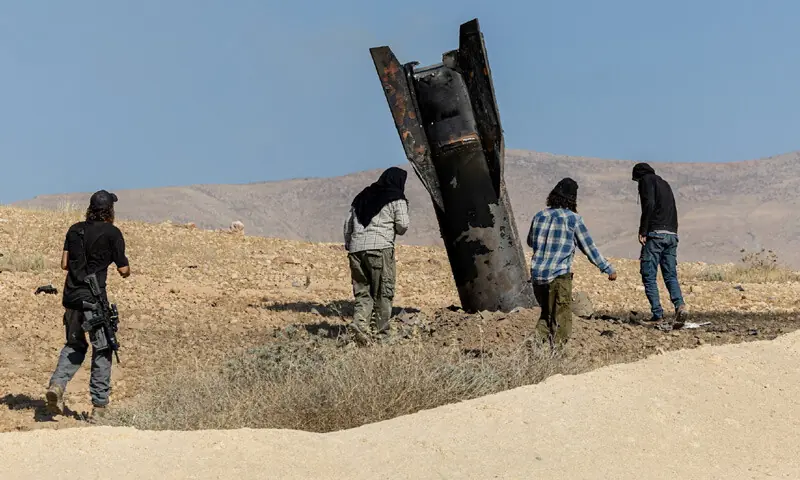
Despite the pause, the wider confrontation has not been fully contained. Iran's army said on Sunday the war could spread further if Washington restarted airstrikes. The conflict has already moved beyond the Strait of Hormuz, with attacks involving US military bases, regional shipping and Gulf allies.
In Yemen, the Houthis said they struck Saudi Aramco facilities in Jizan and Yanbu after Saudi Arabia carried out attacks on Houthi targets. Greek authorities said air defence systems in Saudi Arabia intercepted two ballistic missiles and a drone over Yanbu.
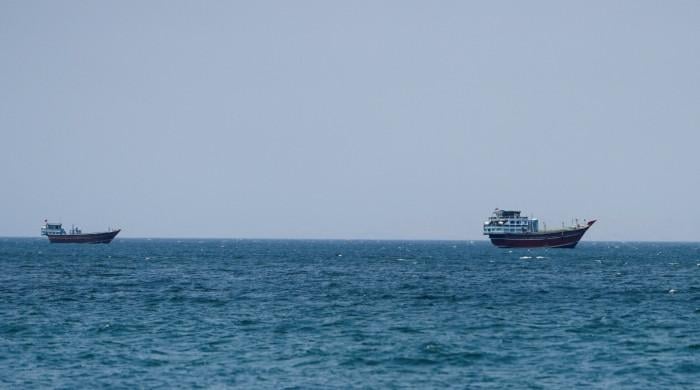
Separately, Tasnim reported that an oil tanker exploded in the Strait of Hormuz after hitting a naval mine outside the shipping lane designated by Iran. Iranian authorities had not issued an official statement on the incident.
Iranian Foreign Minister Abbas Araghchi said Tehran could not be held responsible for the latest escalation between Yemen and Saudi Arabia and said there was "no military solution". He also offered Iran's help in facilitating talks between the Houthi movement and Saudi Arabia.
Iran's Supreme Leader Mojtaba Khamenei said Lebanon's territorial integrity and an end to Israeli aggression were primary conditions for ending the war with the United States.
Comments
No comments yet. Be the first to join the discussion!