Iran, Israel pause attacks ‘on Trump’s urging’
Iran and Israel said their latest exchange of attacks has stopped, though both warned they would respond forcefully to any renewed strikes. Trump urged restraint as diplomacy continued and the Houthis announced a Red Sea shipping ban on Israel.

TEHRAN: Iran and Israel said on Monday that their latest round of hostilities had stopped after overnight strikes raised fears of a renewed regional escalation.
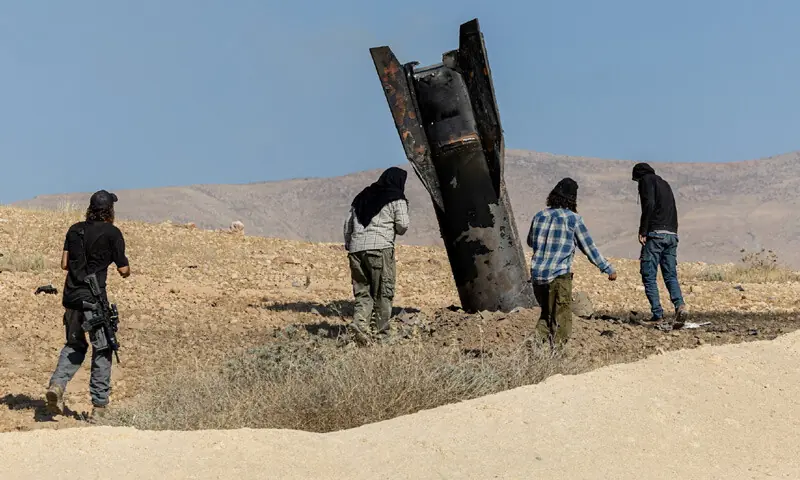
Israeli Prime Minister Benjamin Netanyahu said the situation on that front had been contained, hours after Tehran announced it had ended its military action against Israel. Iran had launched missiles toward Israeli territory late on Sunday, describing the attack as retaliation for Israeli strikes on Hezbollah strongholds on the outskirts of Beirut.
Israel later said it had targeted sites at the Mahshahr petrochemical complex in southwestern Iran, alleging they were being used to produce and export raw materials for Iran’s missile programme. A provincial official told Iranian media that parts of the facility were damaged. Iran’s National Emergency Organisation said 15 people were injured in the latest Israeli attacks across the country, including 14 in Mahshahr County, and that no deaths were reported.
Iran’s Islamic Revolutionary Guard Corps said it had responded by striking a similar Israeli facility in Haifa. According to the Israeli military, Iran fired nearly 30 missiles overnight, while Israel said it hit military targets in Iran. No casualties were immediately reported in either country following that exchange.
Warnings over Lebanon
Iran has for weeks sought to tie the broader Middle East truce, in place since April 8, to Israel’s war against Hezbollah, saying continued attacks on Lebanon would compel it to respond. On Monday, Iran said it would strike again if Israel kept up its operations in Lebanon.
Iran’s military command said any continued hostile action, including in southern Lebanon, would trigger stronger retaliation.
"should acts of hostility continue, including in southern Lebanon, much more severe and crushing measures than before will follow"
Netanyahu, for his part, warned that if Iran resumed attacks, Israel would answer with full force. Israeli Defence Minister Israel Katz said military operations in Lebanon would continue regardless and that Israel would strike Beirut’s southern suburbs, where Hezbollah is dominant, in response to each attack on northern Israel by the group. He also said Israel rejected Iran’s threats and would respond forcefully to any Iranian attempt to connect the Lebanon front with attacks on Israel.
Trump urges restraint
United States President Donald Trump called on both sides to stop firing and said final peace negotiations were moving ahead, though he cautioned they could still be derailed. Axios reported that Trump told Netanyahu he risked ending up isolated if he resumed war with Iran.
Axios quoted Trump as saying: "I said, ‘Bibi, you better be careful, or you will be on your own very soon,’"
Netanyahu said in a televised statement that he had told Trump Israel had every right to defend itself and was acting accordingly.
Signs that both countries expected the pause to hold emerged later in the day. Israel’s education ministry said schools would reopen on Tuesday after closures linked to the missile threat, while Iran’s Civil Aviation Organisation said the country’s airspace was being reopened.
Oil prices climbed more than five per cent amid concern that the conflict could resume, damaging hopes for a quick resolution to a standoff that has effectively disrupted Gulf oil and gas shipments through the Strait of Hormuz.
Diplomacy and regional fallout
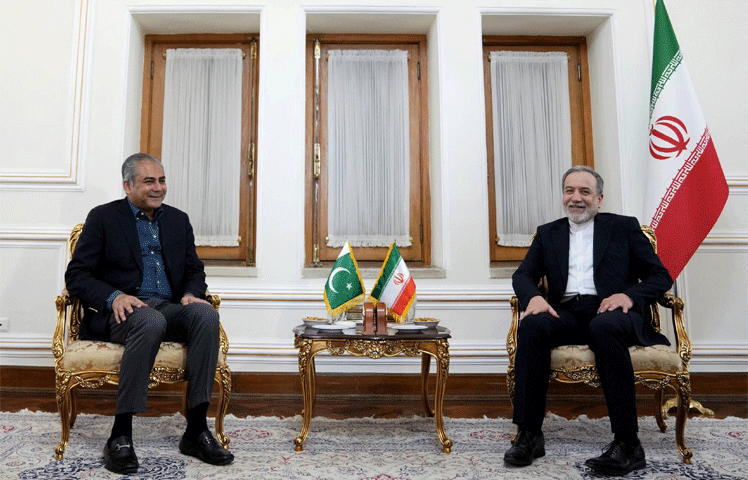
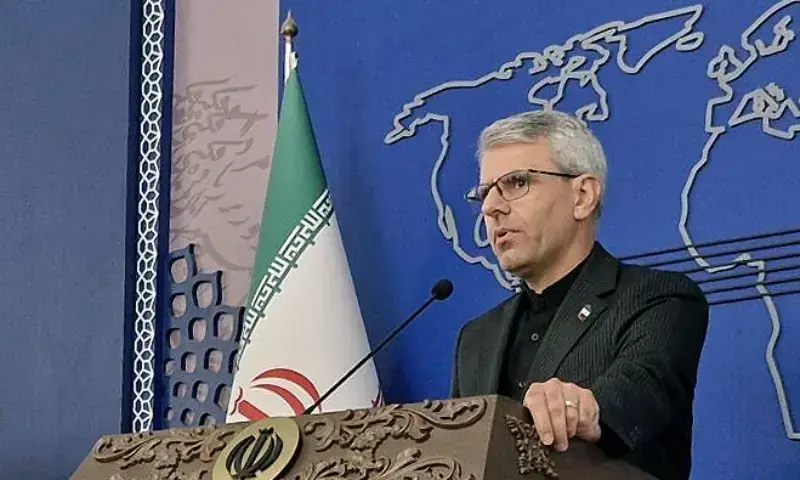
The developments came at a critical moment for diplomatic efforts involving mediator Pakistan. Iranian foreign ministry spokesman Esmaeil Baqaei told a press conference in Tehran on Monday that diplomacy was continuing, but said the fighting could affect it. During his briefing at the foreign ministry, a large explosion shook the building, followed by repeated blasts believed to be linked to air defence systems.
Iranian President Masoud Pezeshkian said on X that Tehran remained engaged in diplomacy while maintaining its military posture.
"Diplomacy and defence are the two wings of national power; we have neither left the battlefield nor the negotiating table"
He added that Tehran would not retreat in the face of threats. Separately, parliamentary speaker Mohammad Bagher Ghalibaf said on Telegram that the United States was not seeking either a ceasefire or dialogue, and said Tehran should respond decisively to defend the rights of the Iranian people.
Meanwhile, Yemen’s Houthis said they had carried out a missile attack on Israel on Monday and announced a complete ban on Israeli shipping in the Red Sea. In a statement, the group’s armed forces said all such movements would be considered legitimate military targets from the moment the declaration was issued. The Houthis, who joined the regional war in support of Iran in March, had not announced a missile strike on Israel since the ceasefire began on April 8. They said they had launched a missile barrage against what they described as sensitive Israeli targets.
Comments
No comments yet. Be the first to join the discussion!