A prudent pause
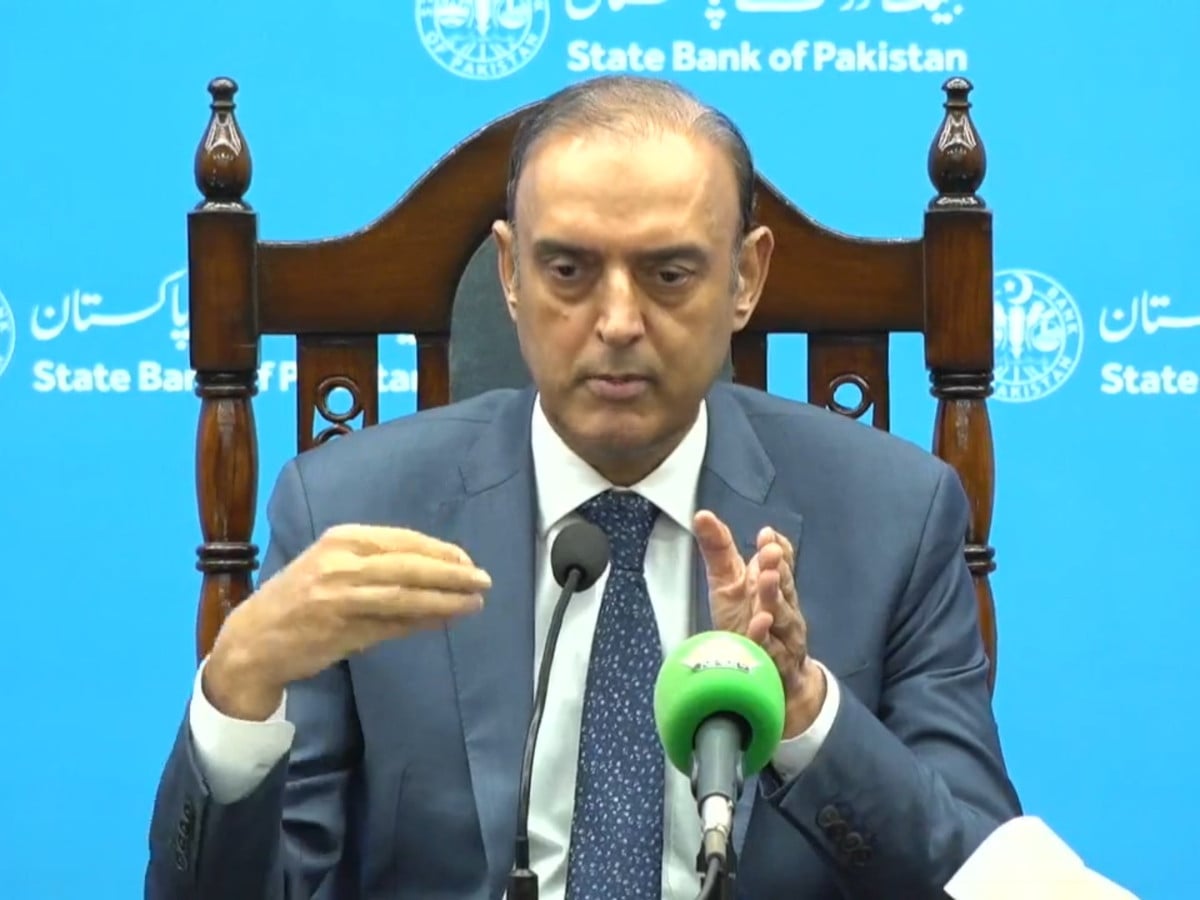
State Bank of Pakistan holds the policy rate at 11.5% as inflation eases and growth shows tentative recovery. It warns renewed Middle East shocks could quickly raise risks.

The State Bank of Pakistan has done the sensible thing by leaving the policy rate unchanged at 11.5%. The unanimous decision is neither an attempt to force growth into life nor a signal that the central bank is bracing for disaster. It is a deliberate pause at a moment when restraint is more useful than activism.
Governor Jameel Ahmad is right to see improvement in the domestic outlook without losing sight of the dangers gathering beyond Pakistan’s borders. Inflation eased to 11.1% in June, economic activity has shown tentative signs of recovery and external pressures remain manageable. But renewed conflict in the Middle East can quickly alter oil prices, supply chains and inflation expectations. For an energy-importing economy, those risks travel fast.
When bombs are falling around you, an abundance of caution is good. Panic is not. Holding the rate steady captures that distinction. A cut would imply confidence that inflation and the external account are sufficiently secure to absorb stronger demand. A rise would suggest that a possible shock has already become a domestic crisis. Neither conclusion is justified yet.
Pakistan has recovered from the brink, but it has not escaped the economic pattern that repeatedly takes it there. Foreign exchange reserves have improved and the FY26 current-account deficit was small. Yet remittances helped offset a widening trade deficit, while the country remains dependent on official inflows, refinancing and rollovers. The balance of payments is still structurally out of joint.
Growth, meanwhile, remains too shallow to be mistaken for transformation. The SBP expects real GDP to expand by 3.5% to 4.5% in FY27, but without higher productivity, competitive exports and sustained private investment, even modest acceleration can revive import demand and external pressure. A premature rate cut could therefore purchase a short burst of activity at the cost of renewed instability.
This does not mean 11.5% should become a permanent resting place. Expensive credit weighs on businesses and investment. But monetary easing must follow durable progress rather than substitute for it. Pakistan still needs a broader tax base, smaller public-sector enterprise losses, a more efficient energy system and an export base capable of financing growth.
For now, the SBP should stand still without becoming paralysed: watch the data, preserve the buffers and avoid dramatic signals. The economy needs neither a kick nor a scare. It needs room to breathe, and the reforms required to ensure that the next recovery lasts.

The Editorial Department of Pakistan Today can be contacted at: [email protected].
View all articles →Comments
No comments yet. Be the first to join the discussion!