40% of Pakistan's children exposed to toxic lead
Experts presenting survey findings in Karachi said nearly 40% of tested children in Pakistan had unsafe blood lead levels. They called for a nationwide study to determine the true scale and sources of exposure.

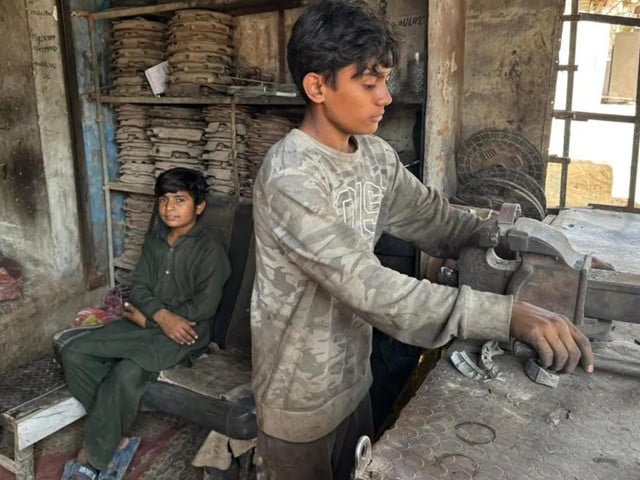
KARACHI: Nearly four in 10 children tested in Pakistan were found to have unsafe levels of lead in their blood, according to findings presented at a media workshop in Karachi, where health experts warned that exposure to the toxic metal could cause serious long-term harm.
The findings were shared on Monday during a daylong journalistic training session at the Karachi Press Club organised by the Lead Exposure Elimination Project (LEEP) Pakistan, Unicef Pakistan and Kamzmin Consultants. Presenting results from the Pakistan Childhood Lead Exposure Survey, Unicef health specialist Dr Humaera Irshad said blood samples from 2,175 children aged 12 to 36 months were collected in seven high-risk cities.
She said nearly 40% of the children tested had blood lead levels above globally accepted safe limits. In selected high-risk localities of Karachi, the prevalence was around 39%, she added. Dr Irshad also said the survey was limited in scope and that a nationally representative study would be needed to determine the full scale of the problem.
Sources of exposure and health risks
Experts at the workshop said lead can enter the body through contaminated food, water and dust, as well as through traditional cosmetics such as surma, adulterated spices, lead-based paints and the illegal recycling of lead-acid batteries. They said the build-up of lead in the body results in lead poisoning, which is especially dangerous for young children.
Aga Khan University’s Prof Dr Zafar Fatmi warned that even low exposure can have harmful effects on children’s health and development. Describing the issue as difficult to detect early, he said the absence of initial symptoms makes it a hidden danger.
Attributing the health risks to lead exposure, Prof Fatmi said it can damage brain development, the nervous system, learning capacity and physical growth in children.
He also described lead exposure as a silent threat and said the most effective response was prevention through control of contamination sources.
Call for wider national assessment
LEEP Pakistan country head Abid Hassan called for a comprehensive national survey to establish the true level of exposure and identify the main sources of contamination. He said such an effort would help support coordinated action across the health, environment and industrial sectors.
According to Hassan, international partners were willing to back such an initiative. The speakers at the workshop urged greater attention to the issue as Pakistan assesses the extent of lead exposure among children in different parts of the country.
Comments
No comments yet. Be the first to join the discussion!