June 21, 2026
Study finds dangerous lead exposure among children near Hattar Industrial Estate
A Ministry of National Health Services-UNICEF study has found severe lead exposure among children living near Hattar Industrial Estate. It said 88 per cent of tested children had blood lead levels above accepted safety limits.

June 21, 2026
ISLAMABAD: A joint study by Pakistan’s Ministry of National Health Services and UNICEF has found that children living around Hattar Industrial Estate face the highest lead exposure recorded among several surveyed locations in the country, with 88 per cent of tested children showing blood lead levels above internationally accepted safety thresholds.
The report examined blood samples from children aged 12 to 36 months in industrial and pollution-affected areas across Pakistan. According to the findings, Hattar Industrial Estate emerged as the worst-affected site, with children there registering markedly higher blood lead levels than those in all other areas covered by the survey.
The study also found that nearly 40 per cent of children across seven Pakistani cities and industrial centres included in the survey had elevated lead levels. However, the situation in Hattar was described as the most serious among all the locations assessed.
Health risks highlighted
Health specialists said lead is a highly toxic metal that can cause lasting harm to children’s brains, nervous systems and physical growth. They said higher blood lead levels may damage learning capacity, reduce memory, affect behaviour and contribute to physical weakness as well as other health problems.
The World Health Organisation states that no level of lead exposure in children is considered entirely safe. Against that benchmark, the findings have raised concern about the scale of risk facing young children living near one of the country’s major industrial zones.
Possible sources and calls for action
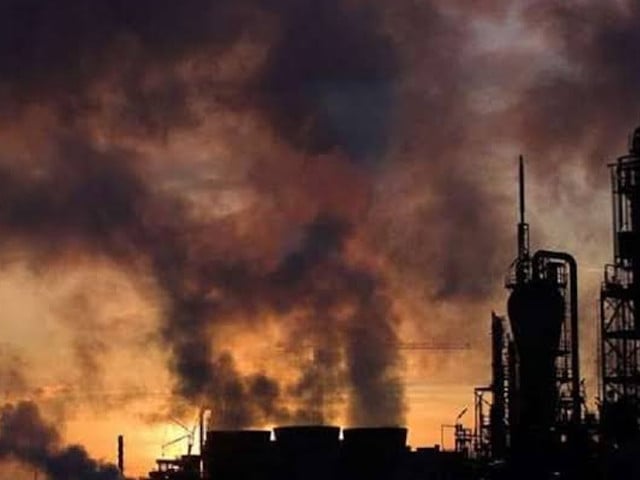
Experts identified a range of possible sources behind the contamination, including industrial emissions, battery recycling units, factory smoke, polluted soil, lead-based paints and some household items. Environmental specialists said weak oversight of the environmental and health effects of industrial activity in Hattar had left nearby communities, especially children, exposed to serious danger.
They warned that without prompt and effective measures, the issue could grow into a major public health emergency. Public health experts urged the government to arrange immediate medical screening, blood testing and treatment services for children in affected localities.
They also called for regular checks on air, soil and water quality, along with strict enforcement of industrial emission rules. Local residents and social groups voiced concern over the report and demanded awareness campaigns and urgent practical steps to shield children from the effects of toxic metals.
Experts said the findings should serve as a warning not only for Hattar but for other industrial regions as well, stressing that environmental safeguards and public health protections must advance alongside industrial growth.
0 Comments
No comments yet. Be the first to join the discussion!