June 19, 2026
Pakistan has 8.6 million child labourers, with 6.6 million in hazardous work: report
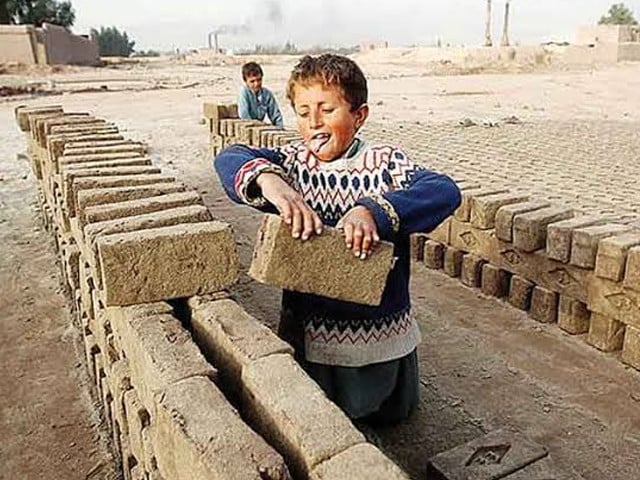
A new NCHR-Unicef report says 8.6 million children in Pakistan are in child labour, including over 6.6 million in hazardous work. The study is the first nationally representative child labour dataset in nearly 30 years.

June 19, 2026
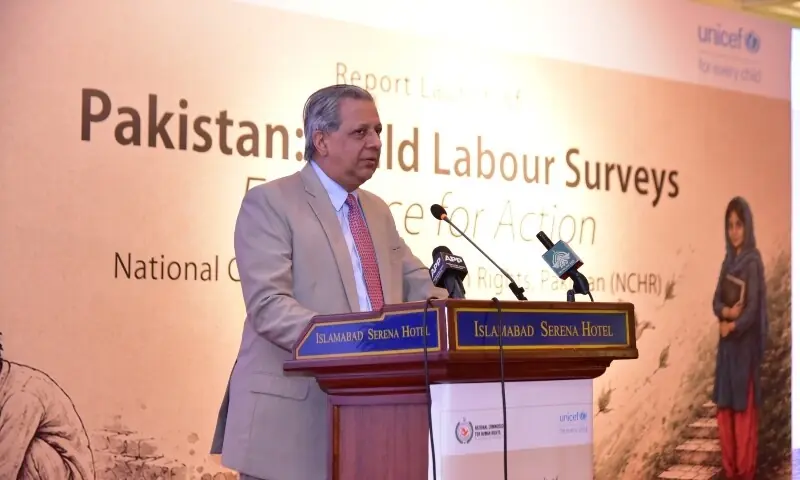
ISLAMABAD: A new national report launched by the National Commission for Human Rights in collaboration with Unicef says 8.6 million children in Pakistan are engaged in child labour, including more than 6.6 million involved in hazardous work that threatens their health, safety and future.
Titled Pakistan: Child Labour Surveys, Evidence for Action, the study was described as the first nationally representative child labour dataset produced in nearly three decades. It presents a nationwide picture of the scale, geographic spread, sectors, risks and underlying causes of child labour in the country.
Speaking at the launch event on Thursday, NCHR Chairperson Rabiya Javeri Agha said Pakistan’s last comprehensive child labour survey was conducted in 1996, leaving policymakers and development partners to rely on old or incomplete data for more than 20 years. She said the prevalence of child labour differed across provinces, but hazardous child labour remained a broad-based concern affecting children in all regions.
Punjab accounts for the largest number of children in labour, with over six million cases. Sindh follows with 1.6 million, Khyber Pakhtunkhwa with 745,155, Balochistan with 201,352, and Islamabad Capital Territory with 15,180.
The findings identify poverty as the strongest factor behind child labour, with the highest incidence recorded among the poorest households and in families where parents have low levels of education. The report also says boys are far more likely than girls to be involved in labour, including hazardous jobs.
A large proportion of child labour, the report found, takes place within family settings, including farms, workshops and homes. It says this makes much of the work difficult to detect through conventional labour inspection systems.
The report also links child labour to serious effects on children’s wellbeing. Children engaged in labour were found to be more likely to remain out of school, work for longer periods, and face injuries, illness, exhaustion and poor mental health. Across provinces, between 32 and 58 per cent of working children reported injuries or illness related to their work, while up to one-third of older children involved in labour reported symptoms of depression.
Federal Minister for Human Rights Senator Azam Nazeer Tarrar said the issue could not be addressed through a single ministry or one intervention alone. He said the emerging evidence showed that child labour in Pakistan was more widespread than many people had assumed.
Justice Ayesha Malik of the Supreme Court said Pakistan had already undertaken clear legal obligations on child labour. She referred to Article 11 of the Constitution, which bars the employment of children under 14 in hazardous occupations, and Article 25A, which guarantees free and compulsory education.
Emphasising the need to include children in policymaking, Justice Malik said their experiences should be part of the decision-making process if the problem is to be addressed effectively. She said:
"Child labour is closely linked to issues of education, family circumstances, health, nutrition, and social mindset. The real question is whether we are engaging children themselves in discussions about these issues and listening to their experiences and concerns,"In his opening remarks, Minister of State for Law and Justice Barrister Aqeel Malik said child labour was not unavoidable and pointed to deeper structural causes. He said:
0 Comments
No comments yet. Be the first to join the discussion!