

June 12, 2026
Pakistan has 8.6 million child labourers, ILO says
The ILO says 8.6 million children aged 5 to 17 are engaged in child labour in Pakistan, with most cases concentrated in rural areas. It also says 25.1 million children aged 5 to 16 are out of school.

June 12, 2026
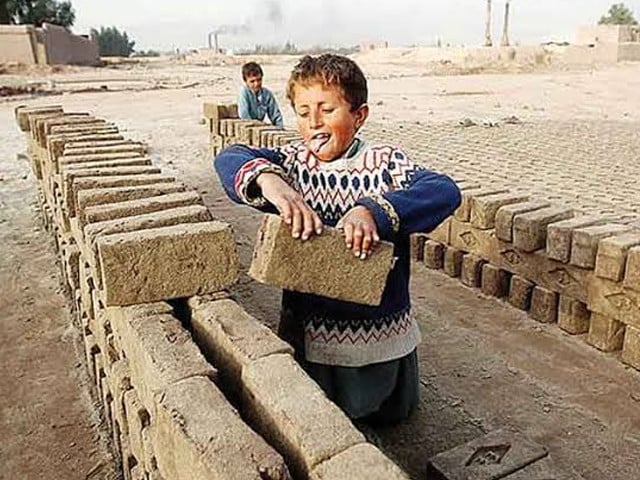
ISLAMABAD: An estimated 8.6 million children between the ages of five and 17 are engaged in child labour in Pakistan, according to figures shared during a media briefing in Islamabad held to mark World Day Against Child Labour.
The briefing was organised by the International Labour Organisation (ILO) on Thursday to draw attention to the extent of child labour in the country and to stress the need for a coordinated national response. Participants were told that recent evidence also indicates around 25.1 million children aged five to 16 are out of school.
The session was further informed that nearly 88 per cent of child labour cases are concentrated in rural areas. Children are working in a range of sectors, including agriculture, brick kilns, domestic work, waste-picking and other parts of the informal economy.
ILO calls for broader response
Speaking at the briefing, ILO Country Director for Pakistan Geir T. Tonstol said child labour should not be viewed only as a child protection issue, but as a wider challenge linked to rights, decent work and development.
"Child labour reflects poverty, informality, unequal opportunities, barriers to education and gaps in social protection. Addressing it requires more than enforcement alone. It requires quality education, decent work opportunities for adults, adequate incomes and stronger social protection for vulnerable families," Tonstol said.
The ILO said child labour and exclusion from education are closely tied to each other. According to the organisation, children who remain out of school face a greater likelihood of entering work at an early age, while those already involved in labour have fewer chances of completing their education.
The organisation called for a comprehensive response involving government institutions, employers’ and workers’ organisations, civil society, development partners and the media to address the issue.
0 Comments
No comments yet. Be the first to join the discussion!


