Diplomacy on Borrowed Time
Fresh U.S. strikes and Iran’s suspension of the Islamabad MoU deepen mistrust and raise the risk of escalation. Pakistan urges continued adherence, but mediation needs a broader international coalition.

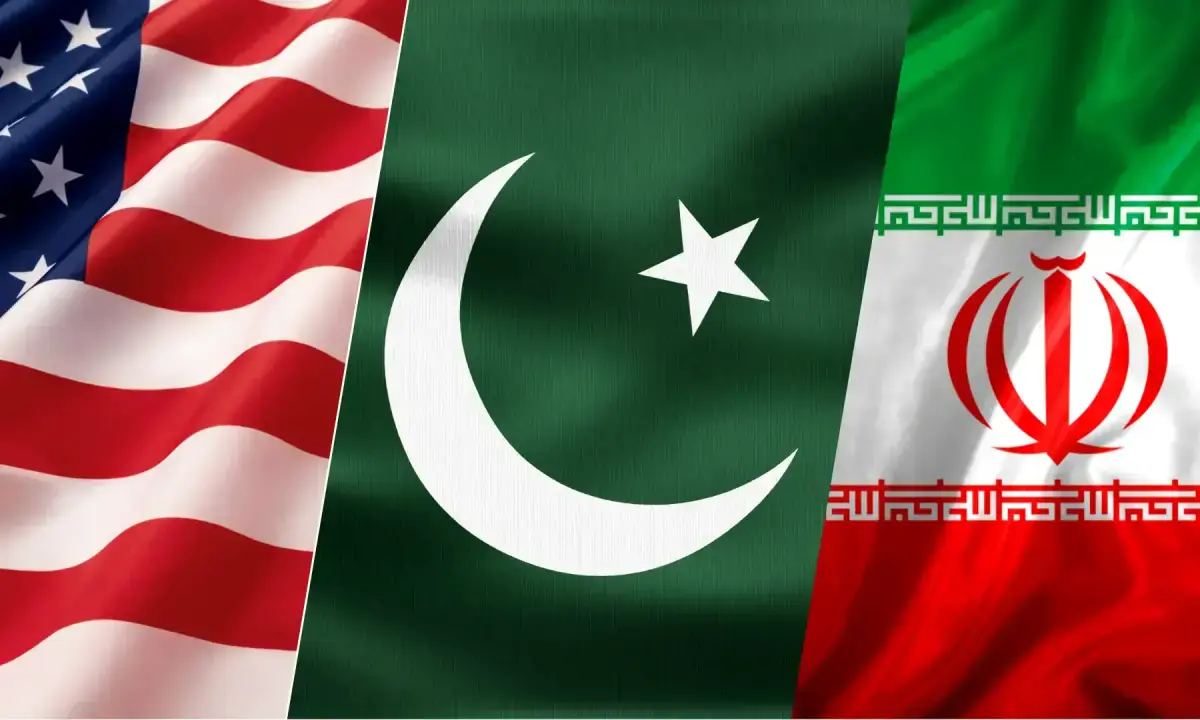
The latest rupture between Iran and the United States is more than another setback in a long history of confrontation. It is a warning that the diplomatic architecture painstakingly assembled to prevent a wider conflict is rapidly crumbling. With Tehran declaring the Islamabad Memorandum of Understanding effectively suspended after fresh US strikes, and Washington showing little sign of stepping back, the region has once again been pushed closer to the brink.
The immediate danger lies not only in military escalation but in the collapse of trust. Agreements are designed to create predictability, establish channels of communication and reduce the risk of miscalculation. Once either side concludes that such understandings no longer carry weight, every future crisis becomes more volatile. Military action replaces diplomacy as the default language, and retaliation becomes more likely than restraint.
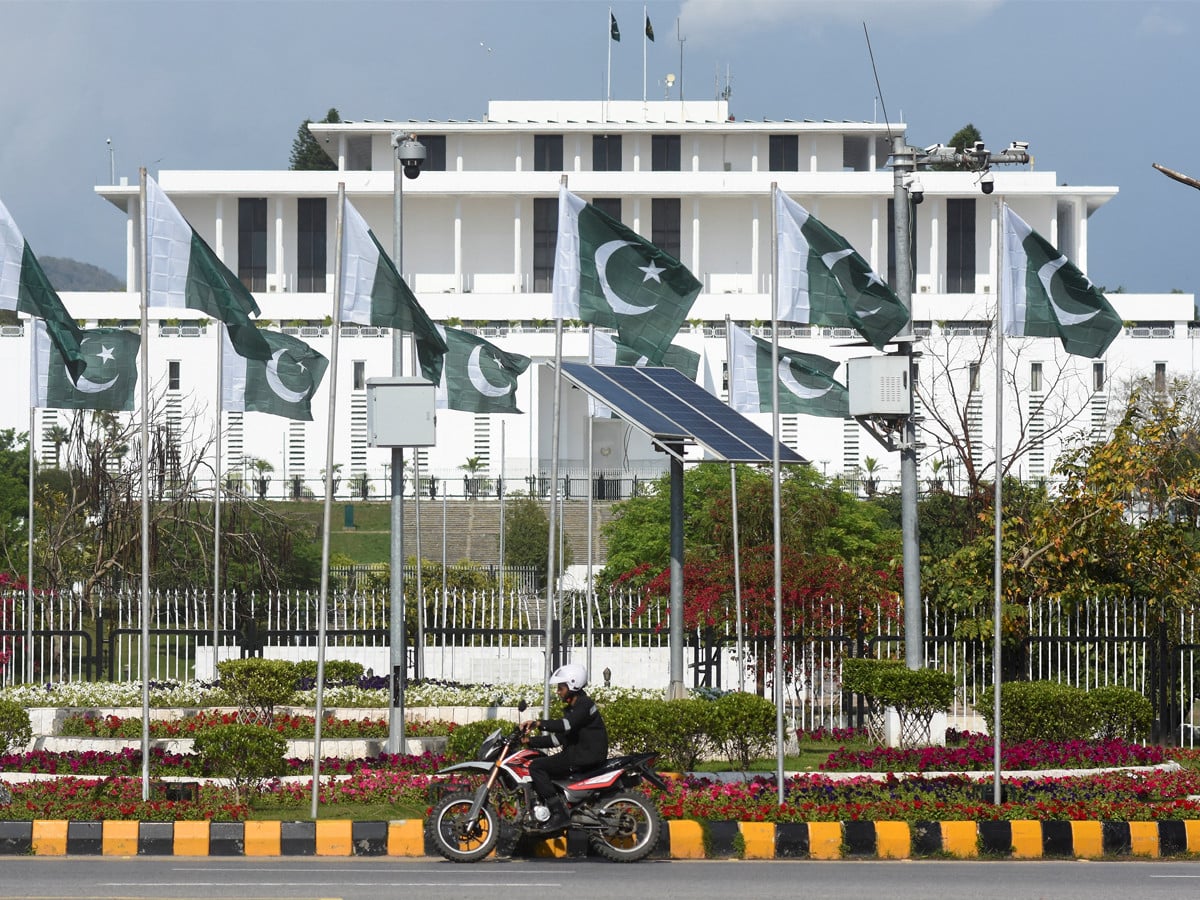
Pakistan has responded by urging continued adherence to the Islamabad MoU, reflecting its investment in preventing the conflict from spiralling further. That remains the correct position. Yet it is equally clear that appealing to an agreement one party now considers defunct will not, by itself, restore stability. Diplomacy has reached an impasse, and pretending otherwise risks allowing events to dictate the next phase of the crisis.
This is precisely the moment when mediation must evolve rather than retreat. Pakistan has demonstrated that it can serve as a credible intermediary, maintaining working relationships with both regional powers and the wider international community. However, the scale of the current confrontation exceeds what any single country can realistically contain. The political stakes are higher, the military risks are greater and the room for error is shrinking.
A broader diplomatic coalition is therefore essential. Countries with influence in Washington, established channels to Tehran and credibility across the Middle East must become active participants in constructing a new framework for dialogue. Regional powers, European governments and international institutions all have a role to play. The objective should not simply be another temporary pause in hostilities but a more durable mechanism capable of surviving future crises.
The alternative is bleak. Continued escalation would threaten regional security, disrupt global energy markets and deepen instability across an already fragile neighbourhood. The consequences would extend far beyond the Gulf, affecting trade, investment and economic confidence across Asia and beyond. Every additional military exchange raises the possibility of an unintended confrontation that neither side initially sought but neither can easily escape.
Pakistan should continue to lead diplomatic efforts, but it must also recognise the limits of acting alone. Effective mediation requires international backing, shared political capital and collective pressure on both parties to return to meaningful negotiations. The collapse of one understanding should not become the collapse of diplomacy itself. If the international community waits until the next exchange of fire before acting, it will once again be responding to events instead of preventing them. That is a failure the world can no longer afford.

The Editorial Department of Pakistan Today can be contacted at: [email protected].
View all articles →Comments
No comments yet. Be the first to join the discussion!