UK raises possible visa curbs in row with Pakistan over Rochdale offender deportation
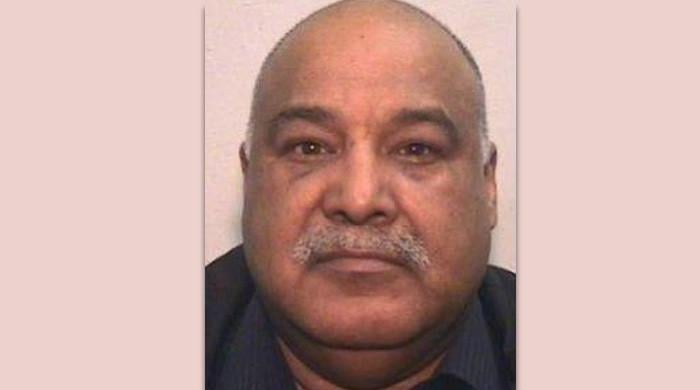
Britain has said visa restrictions on Pakistan remain an option in a dispute over deporting Rochdale offender Shabir Ahmed. Islamabad has said the case is an internal British matter and rejected any link to the Pakistani state.

LONDON/ISLAMABAD: Britain has indicated that visa restrictions on Pakistan remain an option in an escalating dispute over the proposed deportation of Shabir Ahmed, while Islamabad has publicly said the matter is Britain’s responsibility and not connected to the Pakistani government.
Foreign Secretary Yvette Cooper told the House of Commons Foreign Affairs Committee that the Labour government was ready to consider all available means to press countries to take back offenders Britain wants to remove. Addressing questions about Ahmed, she said the British government had repeatedly taken up his case with Pakistan and would continue to do so.
Cooper said Ahmed should be removed from Britain and voiced strong support for Home Secretary Shabana Mahmood’s effort to change the law to make that possible. Asked whether Pakistan could face visa sanctions if it refused to accept him, she did not announce immediate action but said visa restrictions remained among the measures available to the government. She added that earlier visa-related steps had helped reduce abuse in the immigration system involving some countries and had also helped Britain secure more agreements on the return of foreign offenders and unsuccessful asylum seekers.
She told the committee she could not discuss the details of confidential talks with individual governments, but said all possible levers should be examined so Britain could enforce its immigration rules. Cooper also said Ahmed was not the only case under discussion and that Britain was seeking the return of a small number of other offenders it believes should be removed to Pakistan.
British ministers have referred to the Democratic Republic of Congo, Namibia and Angola as examples of countries that agreed to cooperate on returns after the UK threatened visa penalties.
Pakistan rejects responsibility
Pakistan’s first formal public response came from Foreign Office spokesperson Tahir Andrabi, who condemned child sexual abuse but rejected any attempt to link the Pakistani state to Ahmed or to decisions concerning his imprisonment and release.
Andrabi said those responsible for child sexual abuse should be investigated, prosecuted and punished to the fullest extent of the law, regardless of race, ethnicity or religion. He said Ahmed had spent his adult life in Britain, committed his crimes there and was convicted by a British court, making the controversy an internal British matter.
He said the Pakistani government had no connection with the case and could not be tied to decisions about Ahmed’s release or his treatment under British law. According to the spokesperson, responsibility lay with the society where Ahmed had grown up, been raised and, in his words, had been spoiled. He said the case called for serious introspection in Britain rather than an effort to locate responsibility elsewhere.
This individual should not be in the United Kingdom. He should be deported,
Cooper told the committee while backing attempts to change the law.
The Government of Pakistan has no connection whatsoever with this matter,
Andrabi said in rejecting Britain’s framing of the dispute.
Legal and diplomatic obstacles
Britain says Ahmed should leave the country after being stripped of his British citizenship. Pakistan, however, has publicly described him as a British national and says questions relating to his legal status are for British authorities to handle.
Ahmed, 73, was convicted in 2012 as the ringleader of the Rochdale grooming gang in a case involving rape and multiple sexual offences against vulnerable girls. He received a 22-year sentence and was released earlier this month after serving 14 years.
At the time of the offences, he held British citizenship. That citizenship was later removed, but his deportation has been prevented by Section 7 of the Immigration Act 1971. He revoked his Pakistani identity before his conviction about 14 years ago.
Mahmood has announced plans to amend the law so that this protection no longer applies to people convicted of serious offences, including child sexual exploitation, human trafficking and crimes considered a threat to national security. Even if British law is changed, however, another country would still need to recognise Ahmed as its national and agree to take him back.
Comments
No comments yet. Be the first to join the discussion!