HIV cases linked to Karachi’s Valika Hospital rise to 120, says Saeed Ghani
Sindh Labour Minister Saeed Ghani says 120 HIV cases have been linked to Karachi’s Valika Hospital after screening of more than 10,500 people. He says action, including FIRs and dismissals, will be taken against those found negligent.

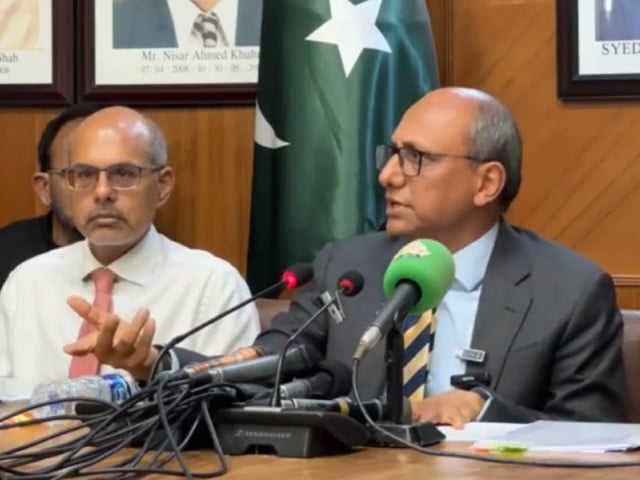
KARACHI: Sindh Labour Minister Saeed Ghani said on Tuesday that 120 people have so far tested positive for HIV in connection with the outbreak linked to Karachi’s Kulsum Bai Valika Hospital, as the provincial government said legal and disciplinary action would be taken against those found responsible.
Speaking at a press conference in the Sindh Assembly’s committee room, Ghani said more than 10,500 people had been screened at the hospital and in nearby areas. He said 120 individuals were diagnosed with HIV during that exercise. According to the minister, 81 of those affected were registered beneficiaries of the Sindh Employees’ Social Security Institution, while the remaining 39 were not covered by the institution but were still receiving free treatment from the government.
He said infected children were being treated at five major hospitals in the country. Ghani also said nearly 2,000 people were screened at SESSI’s Landhi Hospital, where 10 individuals were found to be HIV-positive.
The minister said the screening drive would continue despite concerns that more cases could still emerge, adding that early detection remained the most effective way to contain the spread of the infection. He said all cases identified so far were linked to infections acquired before October 2025 and that no new outbreak-related case had been reported after that period.
Government response and inquiry
Rejecting the impression that the Sindh government had been indifferent to the situation at the SESSI-run hospital, Ghani said authorities moved soon after the first cases surfaced in October last year. He said the health department’s Communicable Disease Control team started screening residents the following day, while an inquiry committee was formed within days.
According to Ghani, an initial inquiry confirmed HIV infection in 16 children and documented two deaths. He said a later inquiry report put the number of confirmed cases at 78 and the death toll at six.
The minister said show-cause notices had been issued to 37 doctors and other staff members. Speaking about the action to follow, he said those found guilty would face dismissal as well as criminal proceedings.
"Those involved will not only be dismissed from service, but first information reports will also be registered against them, and they will face legal proceedings", he stated.
Ghani said the Sindh government had set up a Rs2 billion endowment fund for the treatment and welfare of infected children, adding that the amount would be raised if needed. He also said the identities of the affected children and families would be kept confidential under the Sindh HIV and AIDS Control, Treatment and Protection Act 2013 to shield them from stigma and discrimination.
Concerns over waste disposal and infection control
Responding to a question on the disposal of medical waste, which he described as the main cause behind the outbreak, Ghani said clinical waste management fell under the Sindh Hospital Waste Management Rules. He added that some individuals had not followed the required procedures for personal gain and said punitive action was being pursued against them.
Also speaking at the press conference, Indus Hospital and Health Network founder Dr Abdul Bari Khan said the prevalence of HIV and hepatitis C in Pakistan remained a serious concern and called for coordinated efforts by the government, healthcare institutions and other stakeholders to bring down the number of cases.
Aga Khan University Hospital Associate Chief Medical Officer and infectious disease specialist Dr Faisal Mahmood said the issue was not confined to a single hospital or one locality. He urged stricter enforcement of infection prevention and control protocols across all healthcare facilities, including private clinics.
Comments
No comments yet. Be the first to join the discussion!