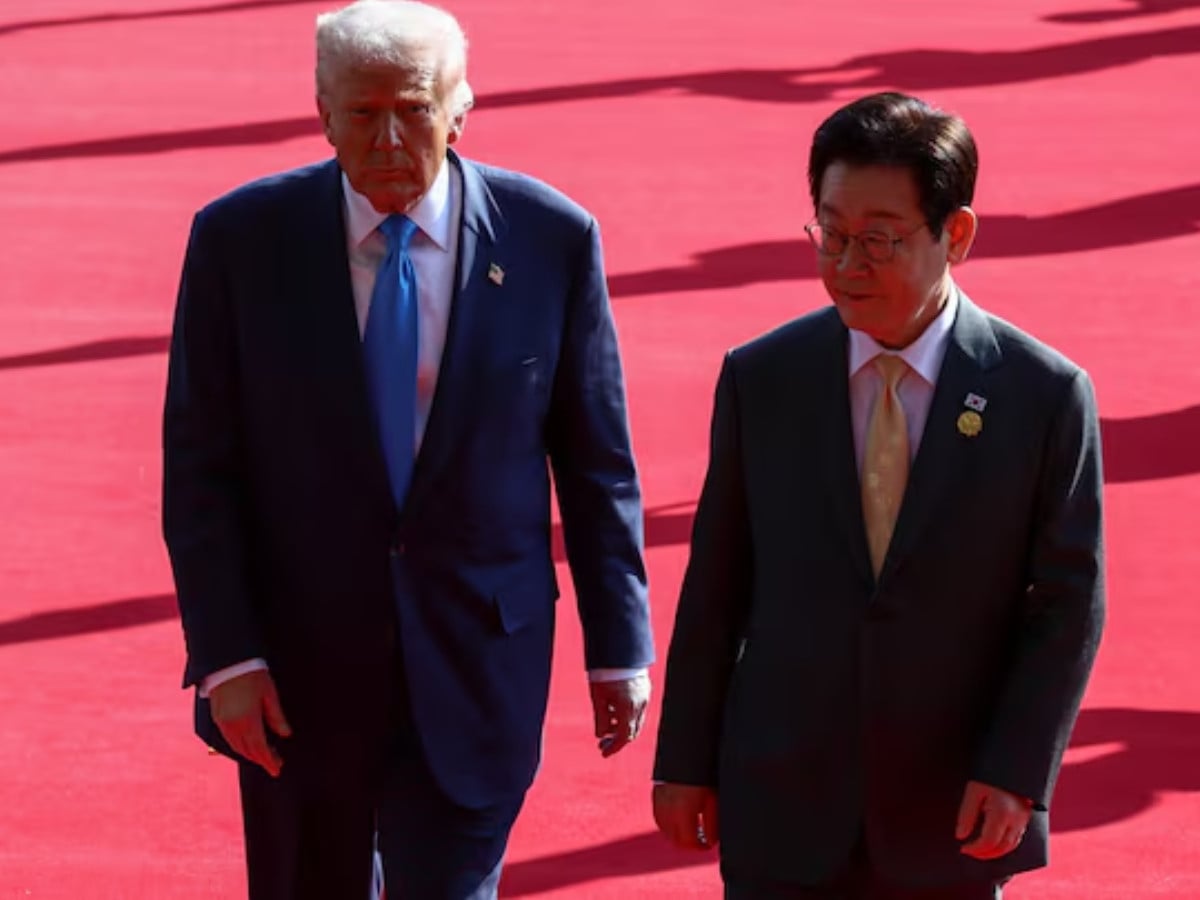
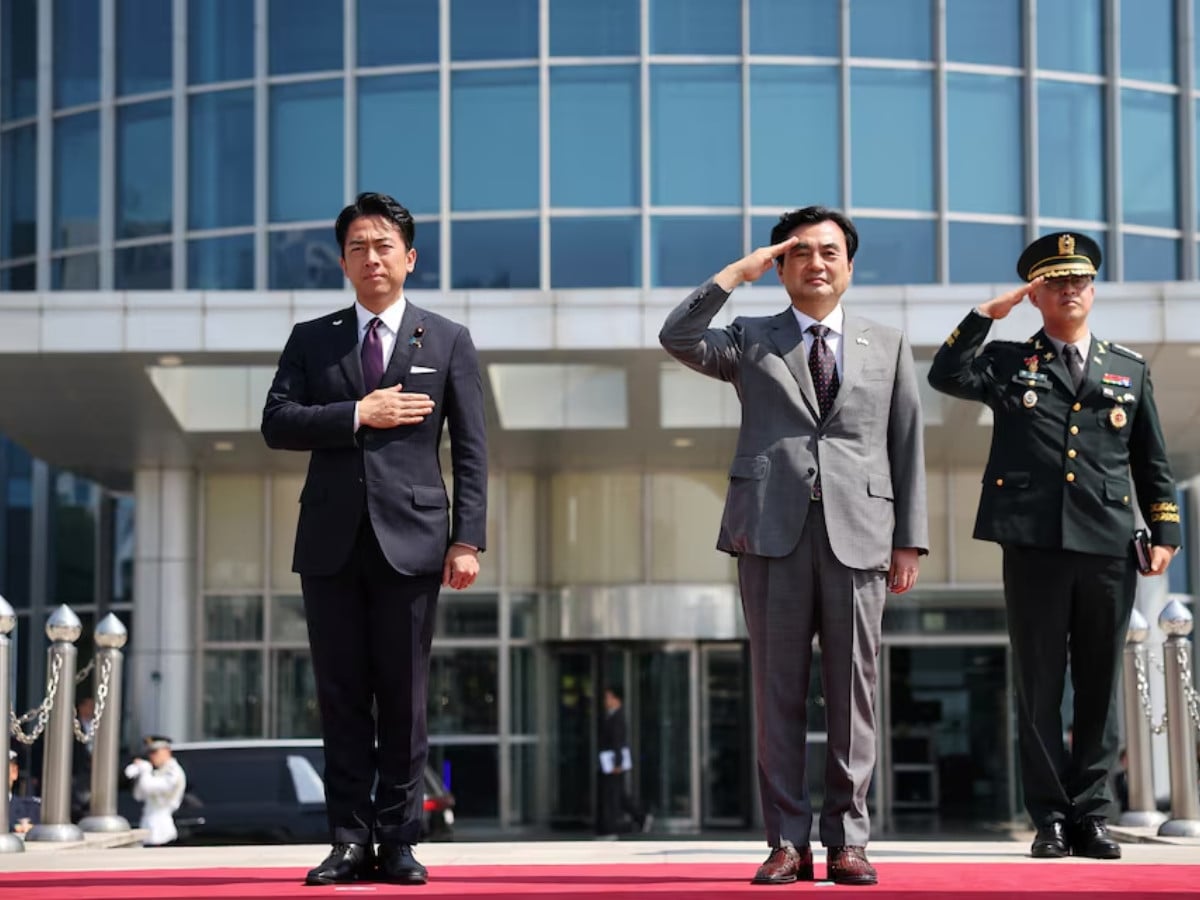
US, Japan and South Korea sign SMR cooperation pact at NATO summit
The US, Japan and South Korea have signed a cooperation agreement to accelerate small modular reactor deployment in other countries, initially focusing on the Indo-Pacific. The pact was signed on the sidelines of the NATO summit in Ankara.

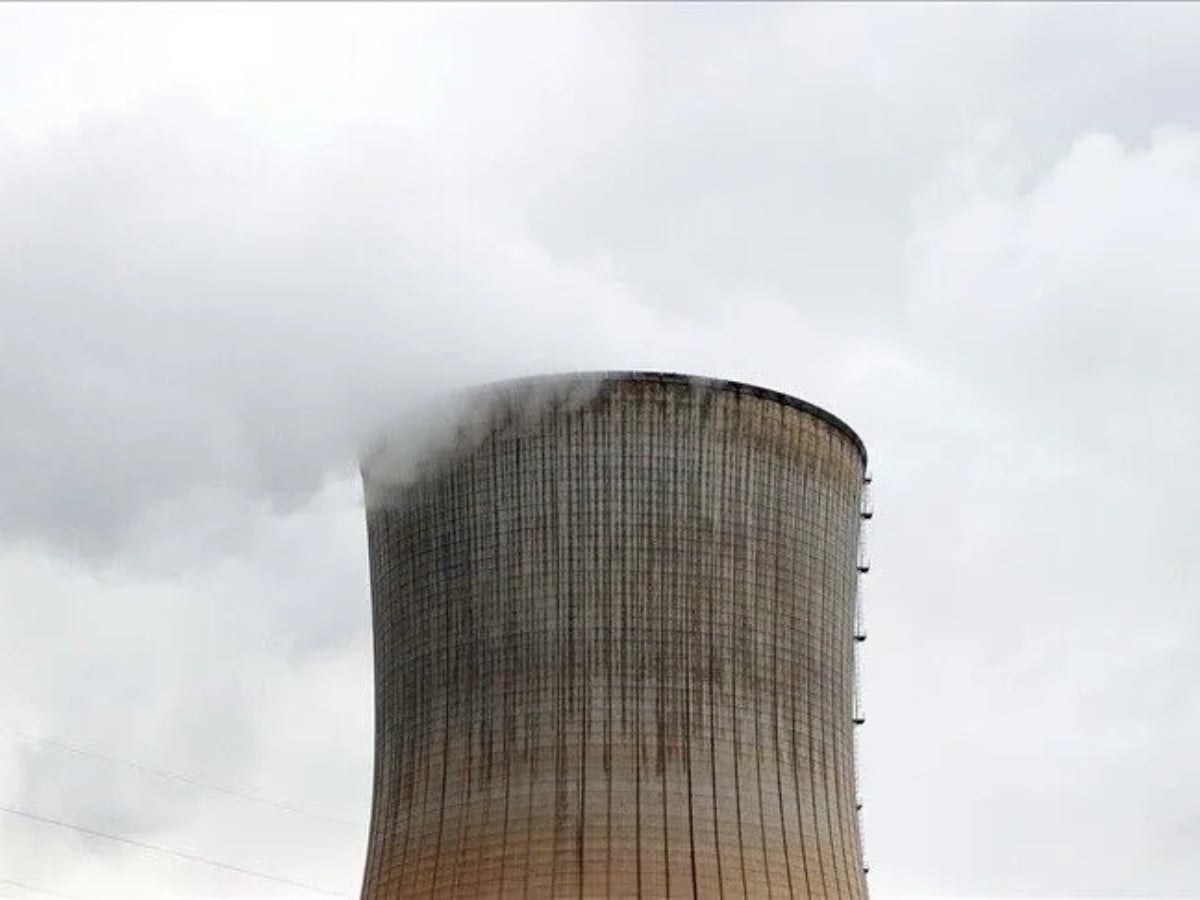
ANKARA: The United States, Japan and South Korea signed a memorandum on Tuesday on the sidelines of the NATO summit in Ankara to create a framework for trilateral cooperation aimed at speeding up the deployment of small modular reactors in other countries, according to a statement from the US State Department.
The initial focus of the planned deployments will be the Indo-Pacific. The State Department said the memorandum advances the three countries’ shared security interests and is intended to help partner states address their energy security requirements. It added that the three countries bring complementary strengths in the civilian nuclear sector.
Under the arrangement, Washington, Tokyo and Seoul will encourage mutually beneficial cooperation among their nuclear industries. The framework is designed to support fleet deployment models intended to reduce project risk, improve economies of scale, attract private investment, simplify licensing procedures and strengthen supply chains.
The State Department said a coordinated trilateral approach would position US, Japanese and South Korean companies to offer regional partners more competitive options to meet rising energy demand while maintaining high standards of nuclear safety, security and nonproliferation as new reactor technology is introduced.
The United States also pledged more than $10 million for the State Department’s Foundational Infrastructure for Responsible Use of Small Modular Reactor Technology, or FIRST, programme to support the safe deployment of small modular reactors in the Indo-Pacific.
Separately, GE Vernova, Hitachi, Samsung C&T and SGE agreed to advance the deployment of the BWRX-300 small modular reactor across Europe.
At the signing ceremony, US Secretary of State Marco Rubio highlighted the role of energy security and referred to the Strait of Hormuz, where disruptions during the US-Iran war had sharply affected global energy flows.
"Small modular reactors (are) going to be in many ways the future of energy generation in a very safe, efficient way, cost-effective way that will make our economies stronger," Rubio said.
The summit in Ankara has brought together leaders of the 32-member alliance along with key partners for discussions on Europe’s defence capacity, NATO spending targets, military modernisation and continued support for Ukraine.
Although they are not members of NATO, South Korea, Australia, New Zealand and Japan have been invited as guests to the alliance’s annual summits since 2022. The Ankara meeting is Turkiye’s second time hosting a NATO summit after Istanbul hosted the gathering in 2004. The event is also serving as a venue for bilateral meetings between Turkiye and allied countries on political, security and economic cooperation.
Comments
No comments yet. Be the first to join the discussion!